
How to garnish Dominican fruit mocktails for better presentation
Introduction
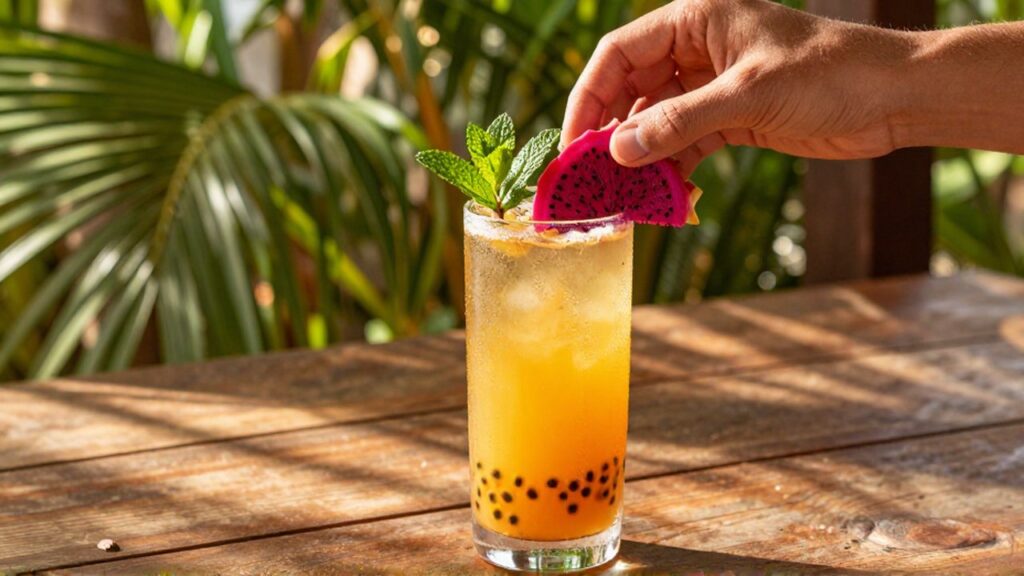
Garnishing Dominican fruit mocktails is an essential technique for transforming a simple non-alcoholic beverage into a visually stunning tropical experience. In the Dominican Republic, fruit is celebrated for its vibrant colors and intense natural sweetness, making it the perfect foundation for high-end mocktails. Proper garnishing serves to enhance the perceived value of the drink, signaling quality and freshness to the guest while stimulating the senses through aroma and sight.
Whether you are hosting a festive summer gathering or designing a menu for a tropical-themed event, the way you decorate your glassware tells a story. A well-chosen garnish bridges the gap between a basic juice blend and a sophisticated craft mocktail. By using local elements like lime, mint, and exotic fruits, you can create a professional presentation that honors the Caribbean heritage of the ingredients.
Importance of visual appeal in tropical beverages
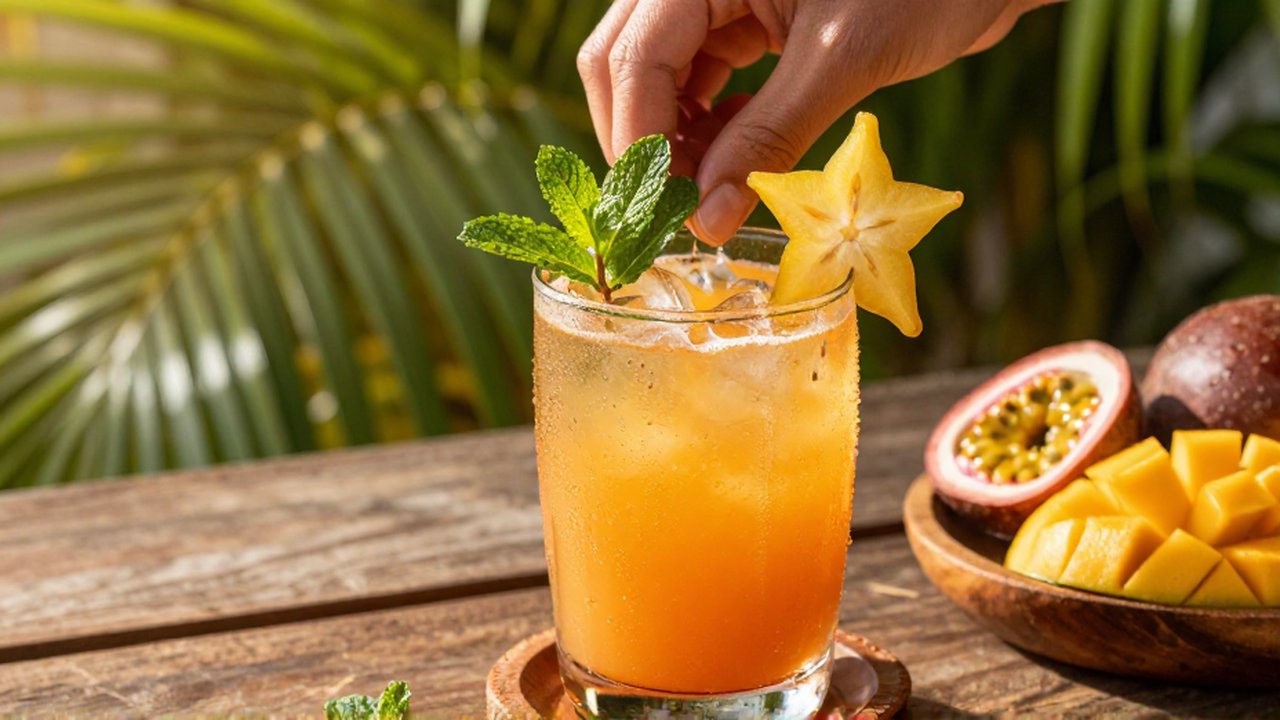
The presentation of a drink is often the first point of interaction a consumer has with it. In the context of mocktails, which lack the complexity of aged spirits, the visual presentation must work harder to convey a sense of luxury and complexity. A garnish provides context; it tells the drinker what flavors to expect. For instance, a sprig of fresh mint placed atop a passion fruit mocktail immediately prepares the palate for a refreshing, aromatic experience.
Beyond aesthetics, garnishing plays a functional role in the sensory experience. Elements like citrus peels or bruised herbs release essential oils when they come into contact with the drink or the rim of the glass, providing an olfactory layer that complements the taste. This multi-sensory approach is what distinguishes a standard fruit punch from a curated Dominican fruit mocktail.
Essential Dominican fruit garnishes
To achieve an authentic look, you should utilize the bounty of the Caribbean. The following ingredients are staples in Dominican fruit preparations and serve as excellent decorative elements:
- Tropical Fruit Slices: Thinly sliced mango, pineapple, or papaya can be slipped onto the rim of the glass or placed inside to showcase the drink's core ingredients.
- Citrus Wheels and Wedges: Lime is a cornerstone of Dominican flavor profiles. Using lime wheels, twists, or even dehydrated lime slices adds a necessary acidic visual.
- Fresh Herbs: Mint and basil are widely available and add a pop of green that contrasts beautifully against orange or red fruit juices.
- Exotic Accents: Small pieces of starfruit (carambola) or even a single passion fruit half can serve as a dramatic centerpiece for a large glass.
Techniques for professional garnish application
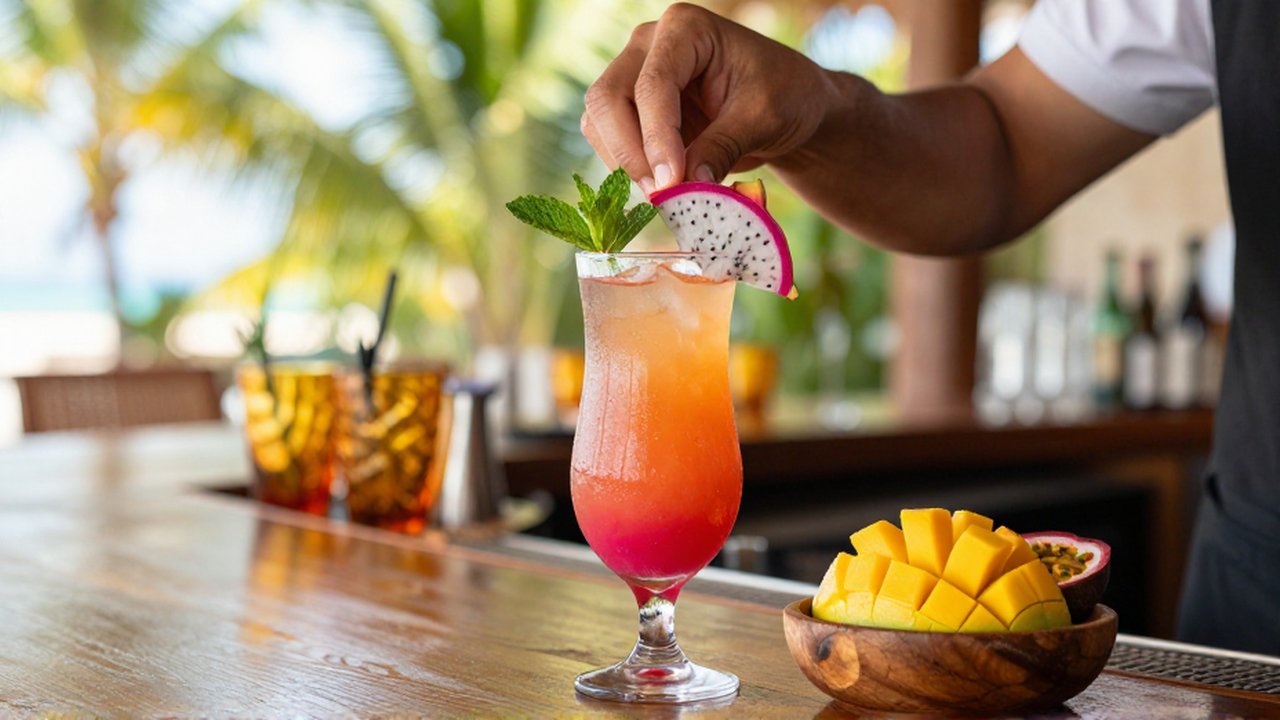
Applying a garnish requires more than just dropping an item into a glass. To achieve a professional standard, follow these specific techniques:
Rim Decoration Instead of just a plain glass, consider decorating the rim. For a tropical mocktail, a "wet rim" can be achieved by rubbing a lime wedge around the edge and then dipping it into granulated sugar or a blend of chili and salt to provide a sweet or spicy contrast to the fruit.
Skewering and Piercing Using bamboo skewers or cocktail picks allows you to create "fruit kabobs." Skewering a cube of mango, a strawberry, and a mint leaf creates a vertical element that adds height to the presentation, making the drink look more architectural and impressive.
Floating and Submerging For drinks served in tall glasses or hurricanes, floating a large slice of citrus or a whole berry on the surface creates a beautiful, layered effect. If you want the garnish to be more integrated, you can use a paring knife to create "sloths" or long ribbons of citrus peel that spiral down the inside of the glass.
Common mistakes to avoid when decorating
While it is tempting to over-decorate, there is a fine line between a beautiful drink and a cluttered one. Avoid these frequent errors to maintain a high standard of presentation:
| Mistake | Impact | Solution |
|---|---|---|
| Overcrowding | Makes the drink look messy and difficult to drink. | Follow the "rule of three": use no more than three decorative elements. |
| Using wilted herbs | Suggests poor quality and lacks aroma. | Always use fresh, vibrant greenery; discard any bruised leaves. |
| Disproportionate sizing | A massive garnish can dwarf a small drink. | Scale your garnish to the size of the glassware. |
| Neglecting functionality | A garnish that falls into the straw is annoying for the guest. | Ensure garnishes are securely placed or skewer-mounted. |
Frequently asked questions
How do I keep fruit garnishes from looking brown or oxidized? To prevent slices like apples or certain tropical fruits from browning, dip them in a light citrus juice (like lime or lemon) immediately after cutting. For citrus wheels, keeping them in an airtight container with a damp paper towel also helps maintain freshness.
Can I use dried fruit as a garnish? Yes, dried fruit is an excellent option for a more rustic or sophisticated look. Dehydrated citrus wheels are particularly popular in modern mixology because they add texture and a concentrated aroma without adding excess moisture to the drink.
How can I make my garnishes more stable in a tall glass? For tall glassware, leverage the rim or use long cocktail picks that rest against the edge of the glass. If you are using floating elements, ensure the drink has enough density (through syrups or purees) to support the weight of the garnish.
Is it better to use whole fruit or sliced fruit? This depends on the glassware. For large hurricane glasses, a half-cut fruit (like a passion fruit or lime) looks stunning. For smaller, more delicate glasses, thin slices or small wedges are more appropriate to avoid overwhelming the vessel.
Leave a Reply