
Best ways to prepare papaya in fruit salads
Introduction
Papaya is a cornerstone of tropical fruit salads, prized for its buttery texture, vibrant orange hue, and subtle, musky sweetness. Integrating this fruit into a salad is an excellent way to add volume, enzymes, and a refreshing element to your breakfast or dessert. Because of its soft consistency, knowing how to handle it correctly ensures that it enhances rather than overwhelms your dish.
Mastering the preparation of papaya allows you to balance flavors and textures effectively. Whether you are aiming for a creamy, tropical experience or a zesty, acidic contrast, the way you cut, season, and pair the fruit determines the success of your culinary creation. This guide provides practical methods to elevate your fruit salads using this versatile ingredient.
Selecting the right papaya for salads
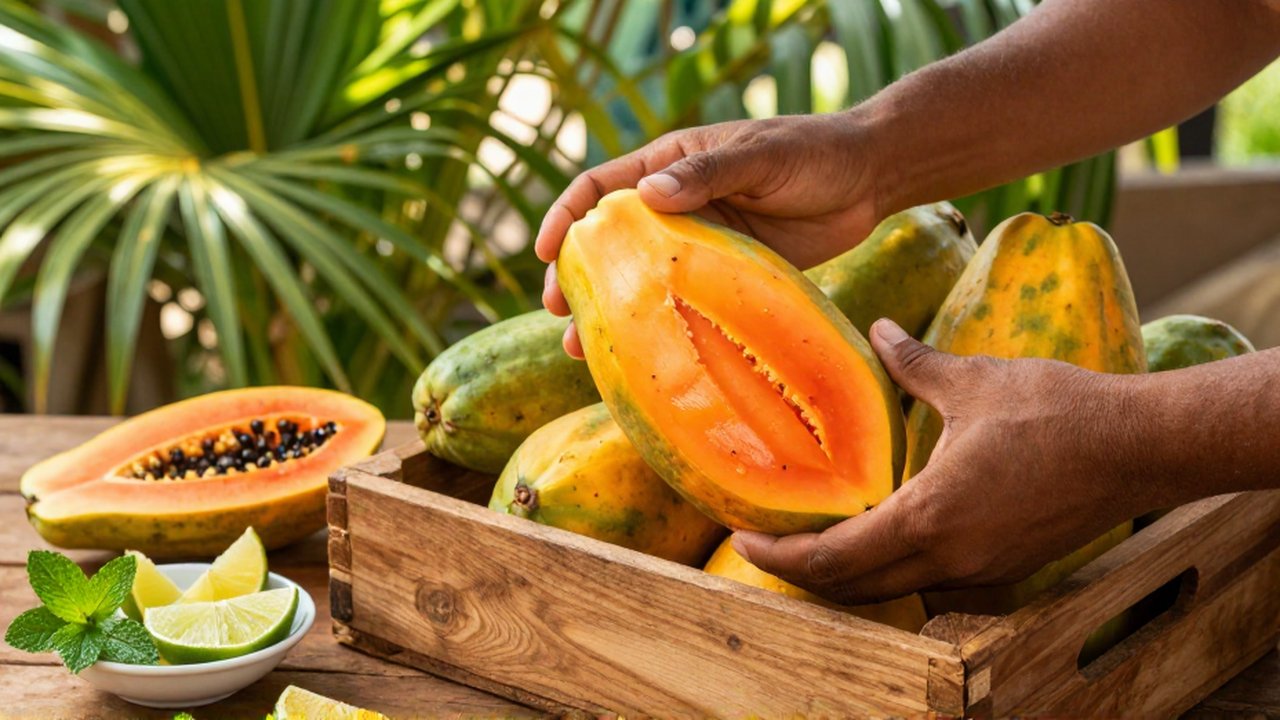
The success of your fruit salad begins with the ripeness of the fruit. For salads, you need a balance between structural integrity and sweetness. A papaya that is too green will be firm and slightly bitter, lacking the necessary juice to coat other ingredients. Conversely, a papaya that is overly ripe may become mushy and lose its shape once tossed with other fruits.
Look for a fruit that yields slightly to gentle pressure but still feels heavy for its size. The skin should show a transition from green to yellow or orange, depending on the variety. When preparing your salad, aim for a "firm-ripe" state. This ensures that when you slice the fruit into cubes, they maintain their edges and do not turn into a puree when mixed with citrus juices or dressings.
Essential preparation techniques
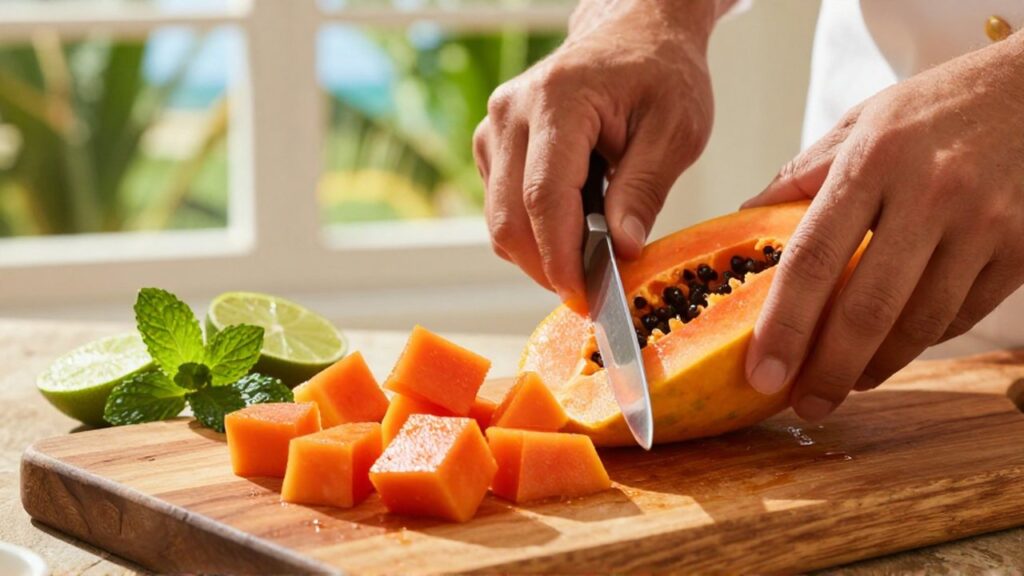
Properly cleaning and cutting the papaya is vital for both aesthetics and flavor. To begin, slice the fruit in half lengthwise and use a spoon to scrape out the small, black, peppery seeds. It is important to remove every trace of these seeds, as they can introduce a bitter note to the salad.
Once the seeds are removed, you can proceed with several cutting styles depending on the desired salad texture:
- Uniform Cubes: Ideal for classic fruit salads where you want every spoonful to have a consistent ratio of different fruits. Aim for pieces roughly 1.5 cm (half an inch) in size.
- Thin Wedges: Best suited for elegant platters or salads that feature larger fruit chunks like melon or mango.
- Fine Dice: Perfect for breakfast bowls or yogurt toppings where the papaya acts as a delicate garnish rather than a main component.
To prevent the papaya from oxidizing or becoming too soft, avoid handling the flesh too aggressively with metal utensils. A plastic or wooden spoon is often safer for maintaining the fruit's delicate surface.
Flavor pairings and flavor profiles
Papaya has a relatively mild sweetness, which makes it an ideal canvas for other flavors. To create a well-rounded salad, you must consider the balance of acidity, sweetness, and crunch.
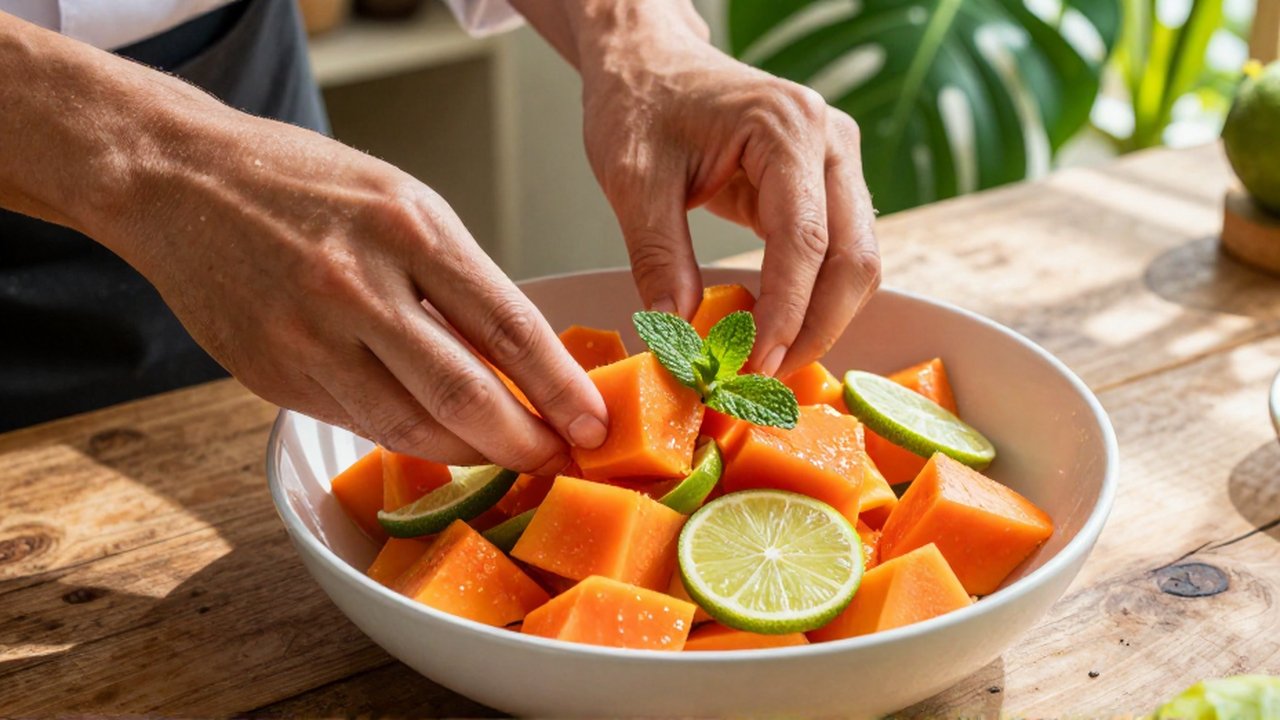
Acidity to balance sweetness Since papaya is low in acid, adding a citrus element is highly recommended. Squeezing fresh lime or orange juice over the papaya segments prevents browning and provides a sharp contrast to the fruit's creamy texture. This acidity also acts as a natural dressing that helps draw out the juices.
Texture contrasts A common mistake is creating a "soft salad" where every ingredient is mushy. To fix this, pair papaya with crunchy elements. Fresh pomegranate seeds, sliced kiwi, or even a sprinkle of toasted coconut flakes can provide the necessary bite to make the salad more satisfying.
Complementary fruit combinations
| Fruit Type | Example | Effect on Papaya |
|---|---|---|
| Acidic | Pineapple, Kiwi, Lime | Cuts through the creaminess and adds brightness. |
| Sweet | Mango, Banana | Enhances the tropical profile and increases sweetness. |
| Mild | Dragon fruit, Melon | Provides volume without altering the flavor profile. |
Common mistakes to avoid
The most frequent error in papaya preparation is using an overripe fruit that falls apart during the mixing process. If your papaya is exceptionally soft, do not toss it in a bowl with other fruits; instead, layer it on top of the salad just before serving.
Another mistake is neglecting the removal of the pith or the fibrous areas near the skin. Ensure you peel the fruit deeply enough to remove all the tough skin but avoid cutting too far into the flesh, which can lead to food waste. Finally, avoid adding heavy creams or dairy-based dressings too far in advance. The enzymes in papaya, specifically papain, can interact with dairy and potentially change the texture or mouthfeel if left to sit for long periods.
Frequently asked questions
Can I use frozen papaya in fruit salads? Yes, but the texture will change. Frozen papaya is best used in smoothies or blended fruit salads. If used in a traditional chunk-based salad, it may release a lot of moisture as it thaws, resulting in a watery consistency.
How long does a papaya fruit salad last in the refrigerator? For the best quality, consume the salad within 24 hours. Because papaya is soft and high in moisture, it tends to release juices and soften much faster than harder fruits like apples or grapes.
Should I remove the skin before or after cutting? It is generally easier to peel the papaya first. You can either use a vegetable peeler on the whole fruit or slice the halves and peel the skin away from the flesh before dicing.
Does lime juice help preserve papaya? Yes. The citric acid in lime juice helps maintain the vibrant color of the papaya and provides a necessary flavor balance that prevents the salad from tasting one-dimensional.
Leave a Reply