
Comparing different types of Dominican chili peppers
Introduction
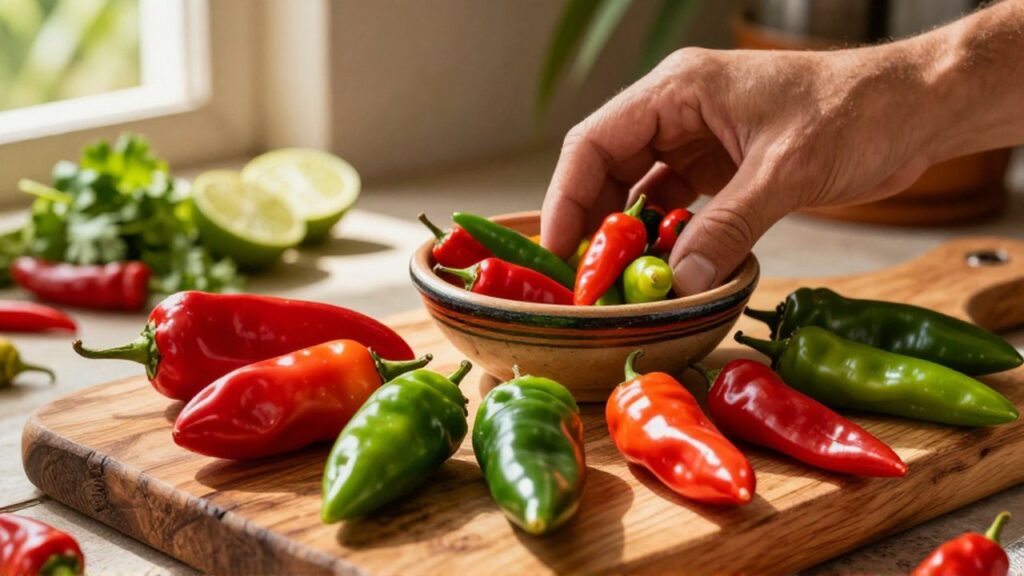
Dominican cuisine is celebrated for its vibrant flavors and aromatic depth, much of which is derived from the strategic use of chili peppers. These small but potent ingredients are not merely used to add heat; they serve as foundational elements that define the character of various traditional stews, sauces, and marinades. Understanding the nuances between different varieties is essential for anyone looking to replicate authentic Caribbean flavors at home.
Choosing the right pepper depends entirely on the desired balance of heat, aroma, and color in a dish. Some varieties are intended to release their oils into a simmering pot of sancocho, while others are used as a fresh garnish or a base for spicy condiments. By distinguishing between these types, cooks can control the intensity of their seasoning and ensure that the heat complements rather than overwhelms the delicate tropical ingredients.
Common varieties in Dominican cooking
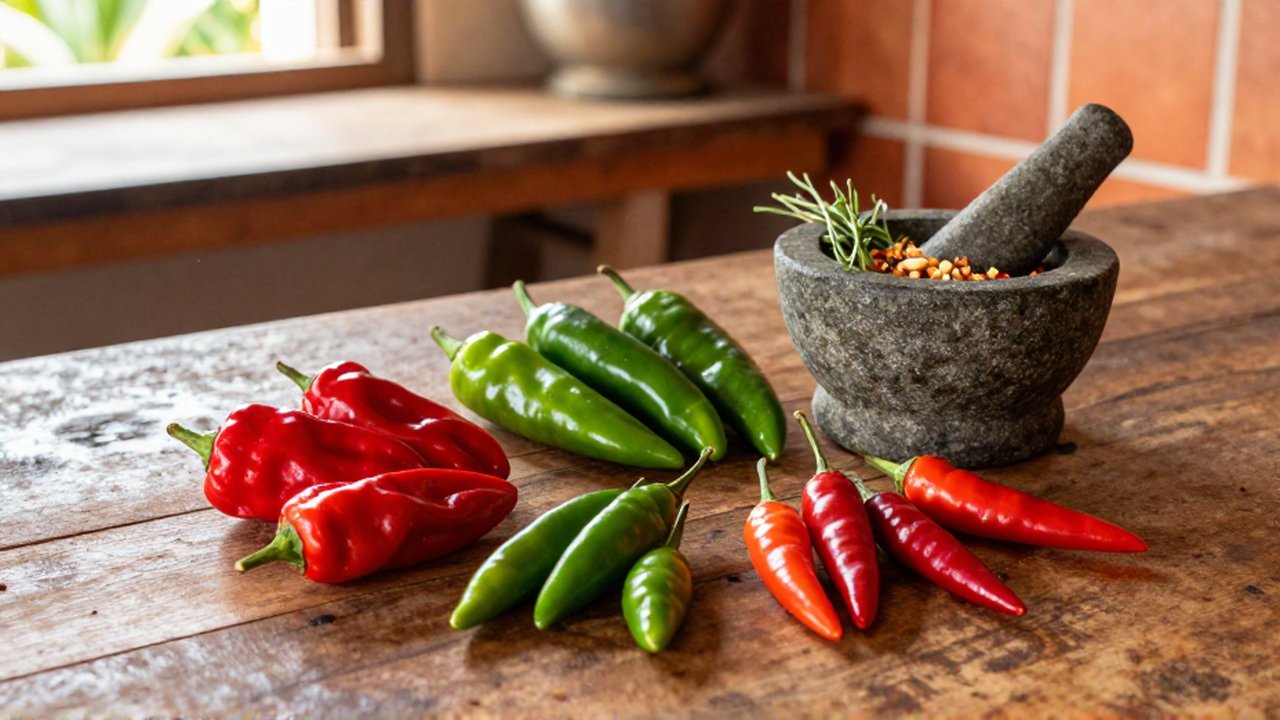
The landscape of Dominican chili peppers is characterized by a range of heat levels and flavor profiles. While many peppers used in the Caribbean share similarities, they are often categorized by their physical appearance and how they function within a recipe.
The Ají Dulce is perhaps the most important pepper in the Dominican pantry. Despite its name, which translates to "sweet pepper," it is not a bell pepper. It is a small, aromatic pepper with a thin skin and a profound fruity scent. Crucially, it has almost no heat. It is the backbone of the sofrito used in almost every savory dish, providing a base note of flavor that enhances meat and vegetables without making them spicy.
In contrast, the Chile Picante or various cultivars of habanero-style peppers are used when significant heat is required. These are much smaller, often more wrinkled, and possess a high concentration of capsaicin. They are frequently used in small quantities to provide a sharp "kick" to sauces or to infuse oils and vinegars.
Comparing heat levels and flavor profiles
When deciding which pepper to use, it is helpful to compare them based on their culinary impact. The following table provides a general comparison of the most common types found in Dominican kitchens:
| Pepper Type | Heat Level | Primary Flavor Profile | Common Culinary Use |
|---|---|---|---|
| Ají Dulce | Very Low / None | Fruity, aromatic, floral | Sofrito, stews, rice dishes |
| Chile Chombo | Very High | Intense, fruity, stinging | Hot sauces, spicy marinades |
| Chile Pimiento | Low to Medium | Mildly spicy, earthy | Salsas, light seasoning |
Beyond the heat, the choice often comes down to the "body" the pepper adds to a dish. An ají dulce will melt into a sauce, adding sweetness and complexity, whereas a high-heat chili will stand out as a distinct, sharp sensation on the palate.
Best practices for using Dominican chilies
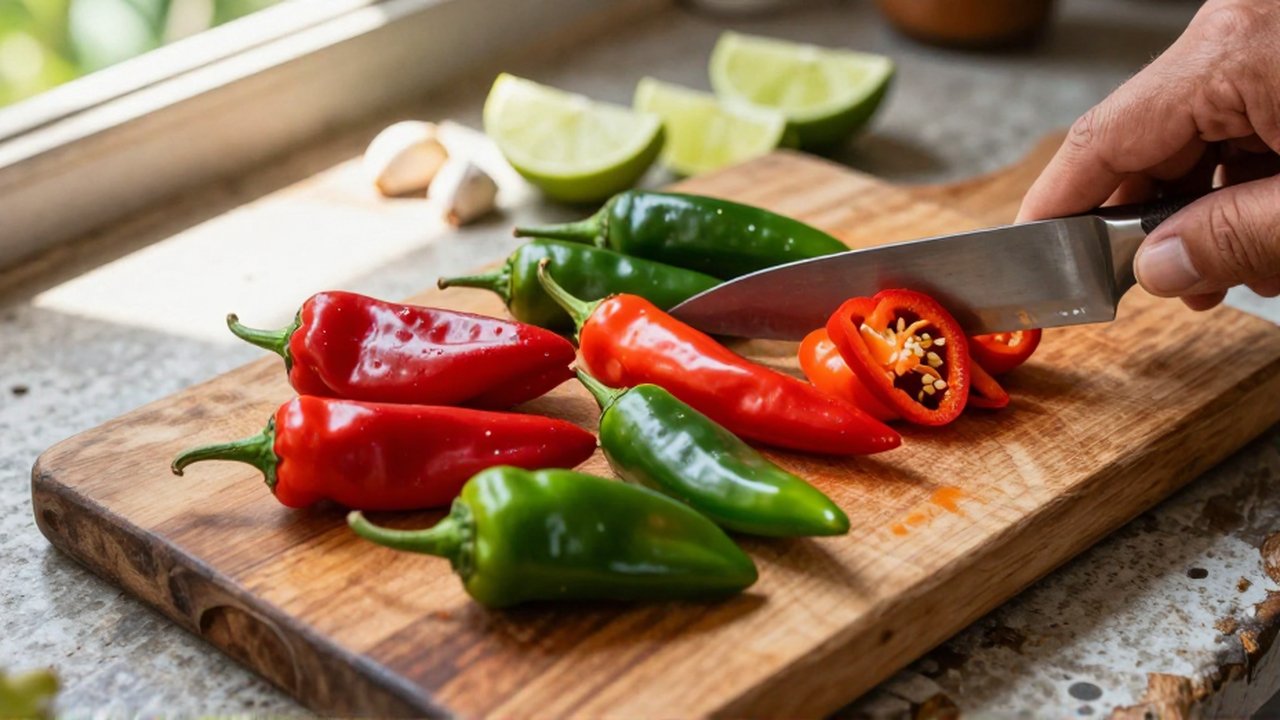
To maximize the flavor of these ingredients, one must consider how heat is extracted. For aromatic peppers like the ají dulce, the best method is to sauté them in oil alongside onions, garlic, and bell peppers to create a flavorful base. This allows their essential oils to infuse the cooking fat, which then coats every component of the dish.
For high-heat chilies, caution is required. If you want a subtle warmth, it is often better to add the pepper whole to a simmering liquid and remove it before serving. This prevents the heat from becoming unmanageable. If you are looking to create a spicy condiment, finely mincing the pepper and combining it with lime juice, salt, and vinegar is a traditional way to preserve its potency and brightness.
Frequently asked questions
Can I substitute bell peppers for Ají Dulce? While bell peppers provide similar color and bulk, they lack the specific fruity aroma that defines Dominican cooking. For the best flavor, try to source actual ají dulce or use a mix of mild chili peppers.
How do I reduce the heat if a dish becomes too spicy? Adding acidic components like lime juice or vinegar, or creamy elements like coconut milk, can help neutralize the perception of heat on the tongue.
Should I remove the seeds from Dominican chilies? If you are using high-heat varieties and wish to moderate the spiciness, removing the seeds and the internal membranes is highly effective, as most of the capsaicin is concentrated there.
Can these peppers be dried or preserved? Yes, some varieties can be dried to create chili flakes, though the aromatic ají dulce is most commonly used fresh to maintain its delicate scent.
Leave a Reply