What is the history of Taino ingredients in cooking
Introduction
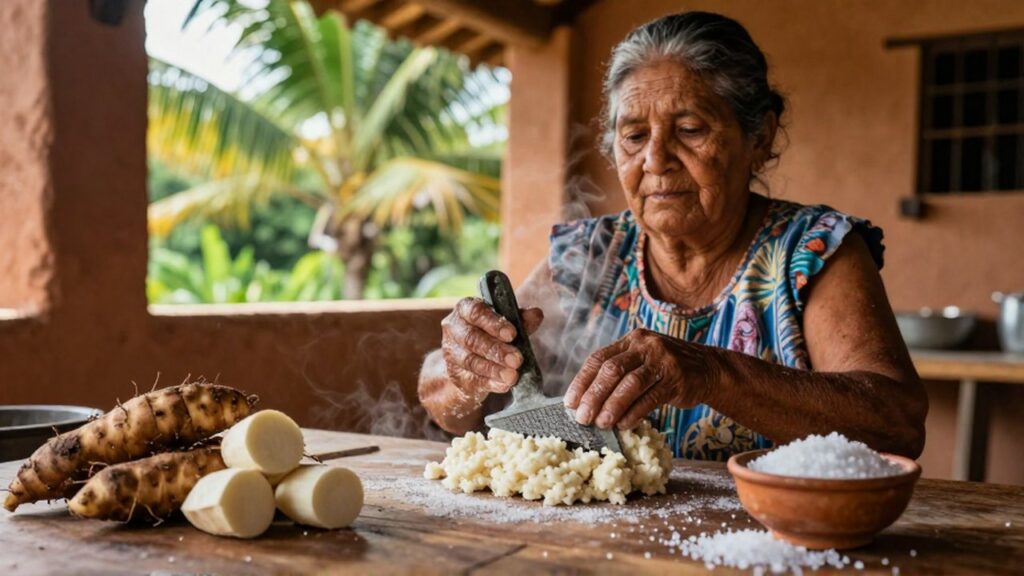
The culinary identity of the Caribbean is deeply rooted in the ancestral knowledge of the Taíno people, the indigenous inhabitants of the Greater Antilles. Understanding the history of Taíno ingredients is essential to grasping how modern Dominican and Caribbean cuisines were formed. These ingredients were not merely sustenance; they were the result of sophisticated agricultural practices and a deep connection to the tropical ecosystem.
By exploring these origins, we can identify the foundational elements that survived the colonial era to become staples in kitchens today. This history matters because it explains the presence of specific tubers, grains, and flavors that define the region's gastronomic soul. Learning about these ingredients allows us to appreciate the resilience of indigenous foodways and their lasting impact on global food culture.
The agricultural foundation of Taíno cuisine
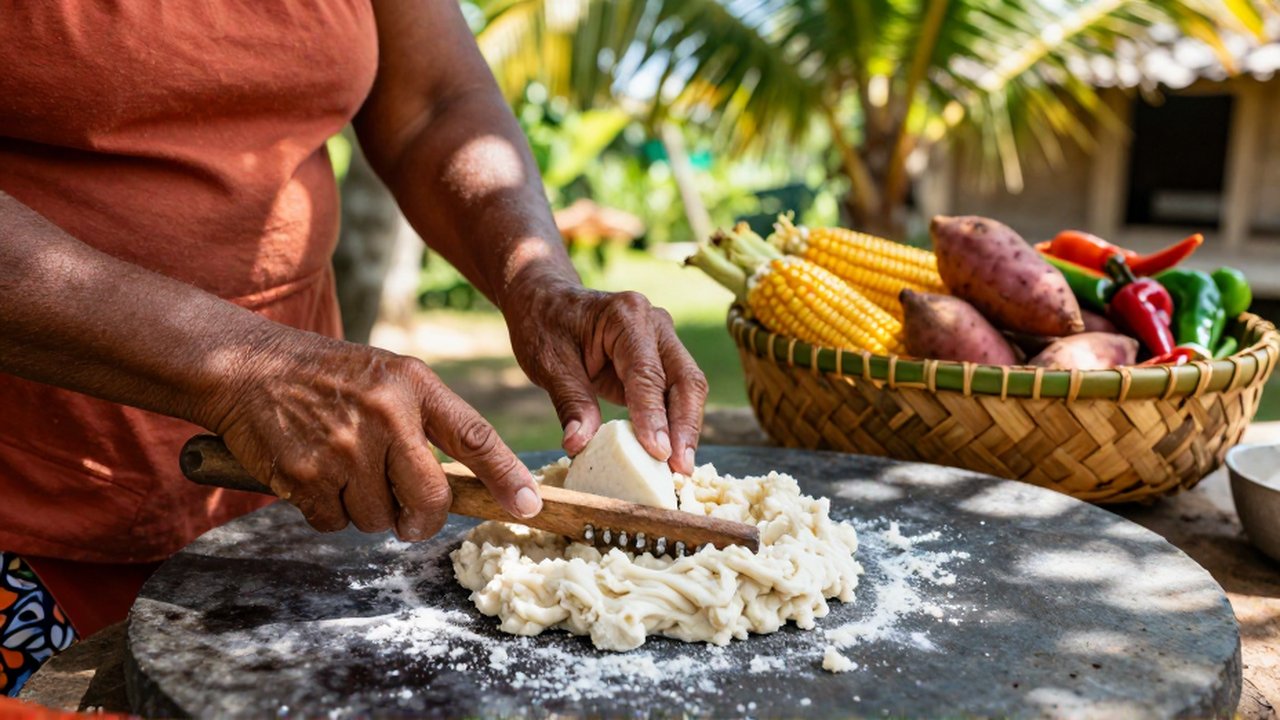
The Taíno people developed a highly efficient agricultural system known as conucos. These were large, mounded garden plots designed to prevent soil erosion and maximize moisture retention. This method allowed them to cultivate a diverse range of crops that could thrive in the humid, tropical climate of the islands.
The primary focus of Taíno agriculture was on starchy root vegetables, which provided the necessary caloric density for their society. These tubers were easy to store and could be processed into various forms, such as flour, to ensure food security during different seasons. This mastery of soil and seed management created a stable food supply that formed the backbone of their dietary habits long before European contact.
Essential tubers and starch sources
The most significant contribution of the Taíno to the modern Caribbean diet is the inclusion of various root vegetables. These crops were often the centerpiece of meals and provided the texture and substance found in many traditional dishes today.
- Yuca (Cassava): Perhaps the most vital ingredient, yuca was used both in its fresh form and processed into flour. The Taíno were masters at extracting the juices from bitter varieties to create casabe, a flatbread that was durable and could be stored for long periods.
- Batata (Sweet Potato): A versatile staple that provided natural sweetness and essential nutrients. It was often boiled or roasted directly in the embers of a fire.
- Yautía (Taro): A starchy root that added variety to the diet and was frequently used in stews or boiled as a side dish.
These ingredients represent a legacy of survival and innovation, as the ability to process bitter or tough roots into edible, nutritious food was a hallmark of Taíno culinary skill.
Indigenous flavors and proteins
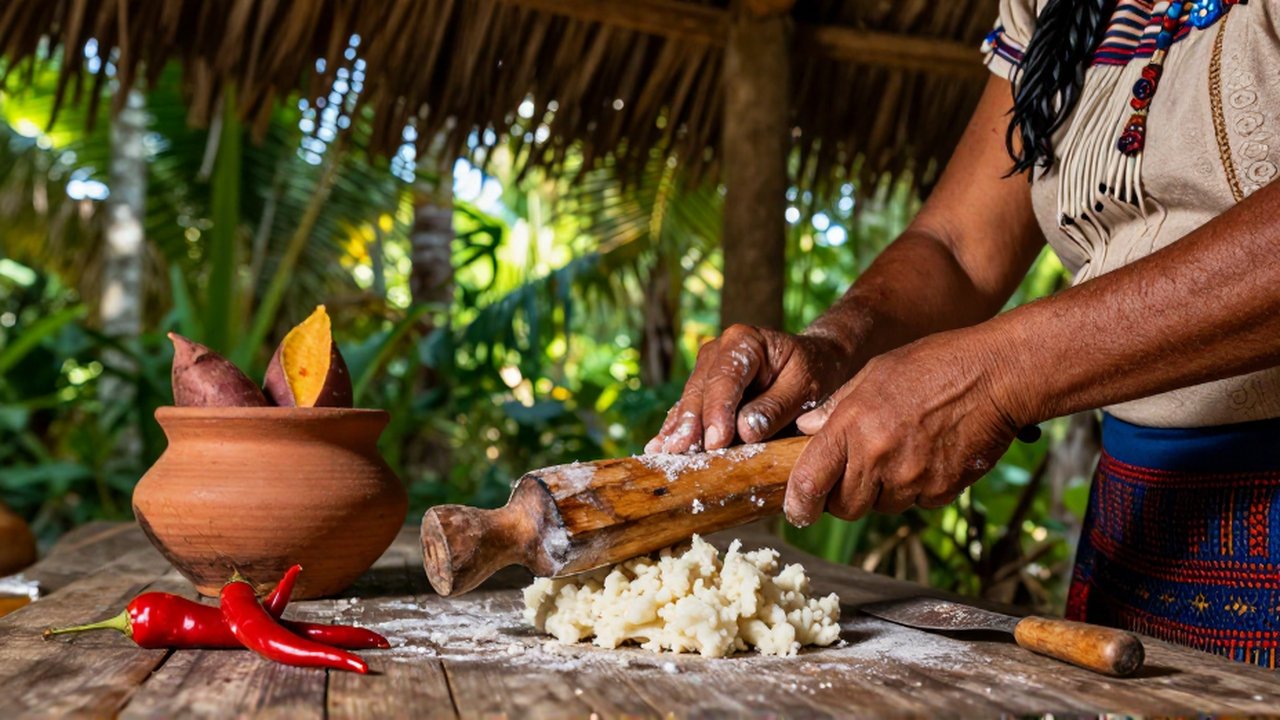
Beyond starch, the Taíno diet was enriched by a variety of fruits, legumes, and proteins sourced from both the land and the sea. This balance of nutrients allowed for a healthy and diverse lifestyle.
The use of tropical fruits such as pineapple, papaya, and guava provided essential vitamins and natural sugars. These fruits were often eaten fresh or used to add acidity and sweetness to other preparations. Additionally, the Taíno utilized many local herbs and peppers to season their food, creating a flavor profile that was vibrant and complex.
In terms of protein, the Taíno were skilled hunters and fishers. They relied heavily on the bountiful resources of the Caribbean Sea, consuming a wide range of fish, shellfish, and crustaceans. On land, they hunted small mammals and birds, though seafood remained a primary source of animal protein. This dual reliance on marine and terrestrial resources ensured a well-rounded nutritional intake.
The legacy of processing techniques
The history of Taíno ingredients is inseparable from the techniques used to prepare them. The creation of casabe is a prime example of an indigenous technology that has survived for centuries. The process required specific tools and steps to ensure the bread was safe and shelf-stable.
| Technique | Ingredient | Resulting Product | Modern Relevance |
|---|---|---|---|
| Grating and Squeezing | Yuca | Casabe (Flatbread) | Still a staple in many Caribbean homes |
| Earth Oven Cooking | Meat/Tubers | Barbacoa style | The origin of various slow-roasting methods |
| Fermentation | Various fruits/grains | Indigenous beverages | Influenced early Caribbean drinks |
The method of cooking over open fires or in earthen pits influenced later culinary styles, particularly the way meats and vegetables are slow-cooked to retain moisture and develop deep flavors.
Frequently asked questions
What is casabe and why was it important? Casabe is a crunchy, unleavened flatbread made from cassava (yuca) flour. It was vital to the Taíno because it was highly resistant to spoilage, making it an essential food source for travel and long-term storage.
Did the Taíno use spices in their cooking? Yes, the Taíno used various local plants, peppers, and herbs to season their food. This established a tradition of seasoned, flavorful cooking that remains a characteristic of Caribbean cuisine.
How did Taíno agriculture differ from European methods? The Taíno used the conuco system, which utilized mounded earth to manage soil and water. This was highly adapted to the tropical environment, unlike the furrow-based systems often used in more temperate European climates.
Are Taíno ingredients still used in the Dominican Republic? Absolutely. Ingredients like yuca, batata, and various tropical fruits are fundamental components of the modern Dominican diet and are used in a wide array of traditional recipes.
Leave a Reply