Differences between plantains and sweet bananas in cooking
Introduction
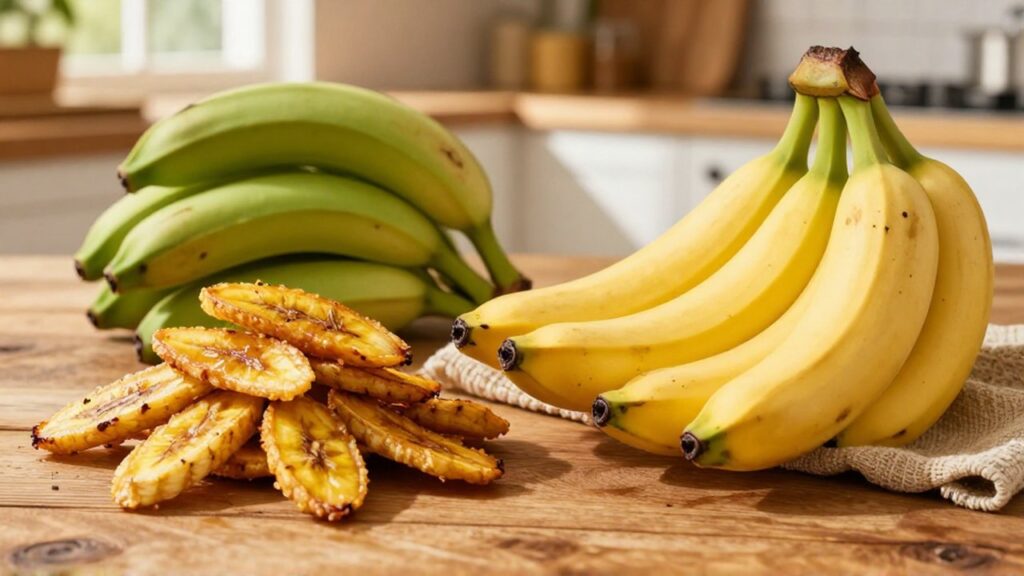
In the tropical landscapes of the Caribbean and many other parts of the world, the banana family is a fundamental pillar of the daily diet. However, a common mistake for many home cooks is treating all yellow, elongated fruits as interchangeable. Understanding the distinction between plantains and sweet bananas is essential for anyone looking to master tropical cuisine, as they serve completely different culinary purposes.
While they belong to the same botanical family, their starch content, sugar levels, and textures vary significantly. Knowing when to reach for a plantain versus a sweet banana will prevent culinary failures, such as trying to fry a dessert banana as if it were a savory starch or expecting a starchy plantain to provide the sweetness required for a smoothie. This guide explores their unique characteristics to help you navigate your next grocery trip and recipe execution with confidence.
Botanical and nutritional profiles
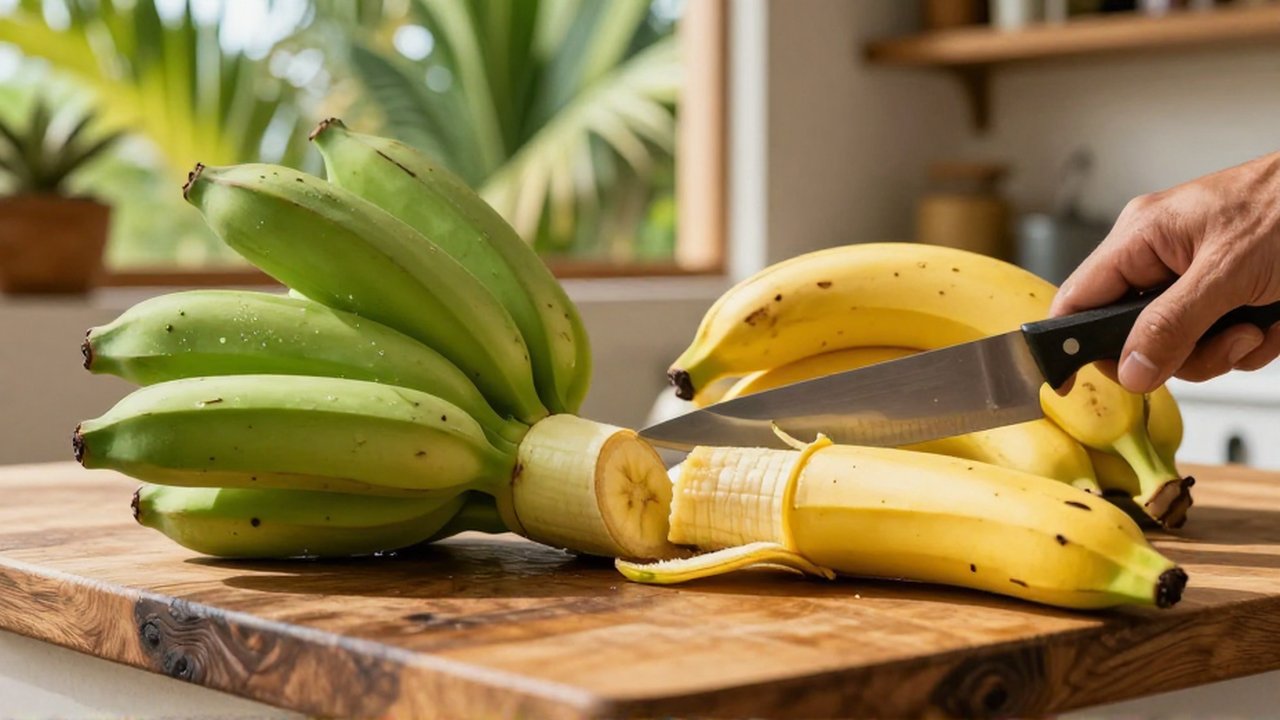
The primary difference between these two fruits lies in their chemical composition, specifically the ratio of starch to sugar. Sweet bananas, often referred to as dessert bananas, are bred for high sugar content and a soft, creamy texture. As they ripen, their starch converts rapidly into sugars, making them ideal for raw consumption.
Plantains, on the other hand, are considered "cooking bananas." They are much higher in starch and lower in sugar, especially when they are green. This high starch content gives them a denser, more fibrous structure that holds its shape under high heat. While a sweet banana becomes mushy when cooked, a plantain maintains enough integrity to be sliced, fried, or boiled as a substitute for potatoes or bread.
Culinary applications and usage
Because of their different textures, these fruits occupy different "stations" in a meal. Sweet bananas are versatile in the realm of breakfast and desserts. They are frequently eaten raw, mashed into porridges, blended into smoothies, or used as a natural sweetener in baked goods like banana bread. Their soft texture means they do not provide much structural support in savory dishes.
Plantains are the backbone of savory tropical meals. In Dominican and Caribbean cooking, they are treated as a staple starch. Their versatility in cooking methods is vast:
- Green plantains: These are extremely starchy and are typically fried to make tostones (twice-fried savory slices) or boiled as a side dish.
- Yellow/Ripe plantains: As they develop black spots, the starch turns to sugar, making them perfect for maduros (sweet fried plantains), which serve as a delicious accompaniment to salty meats or beans.
Key differences in texture and flavor
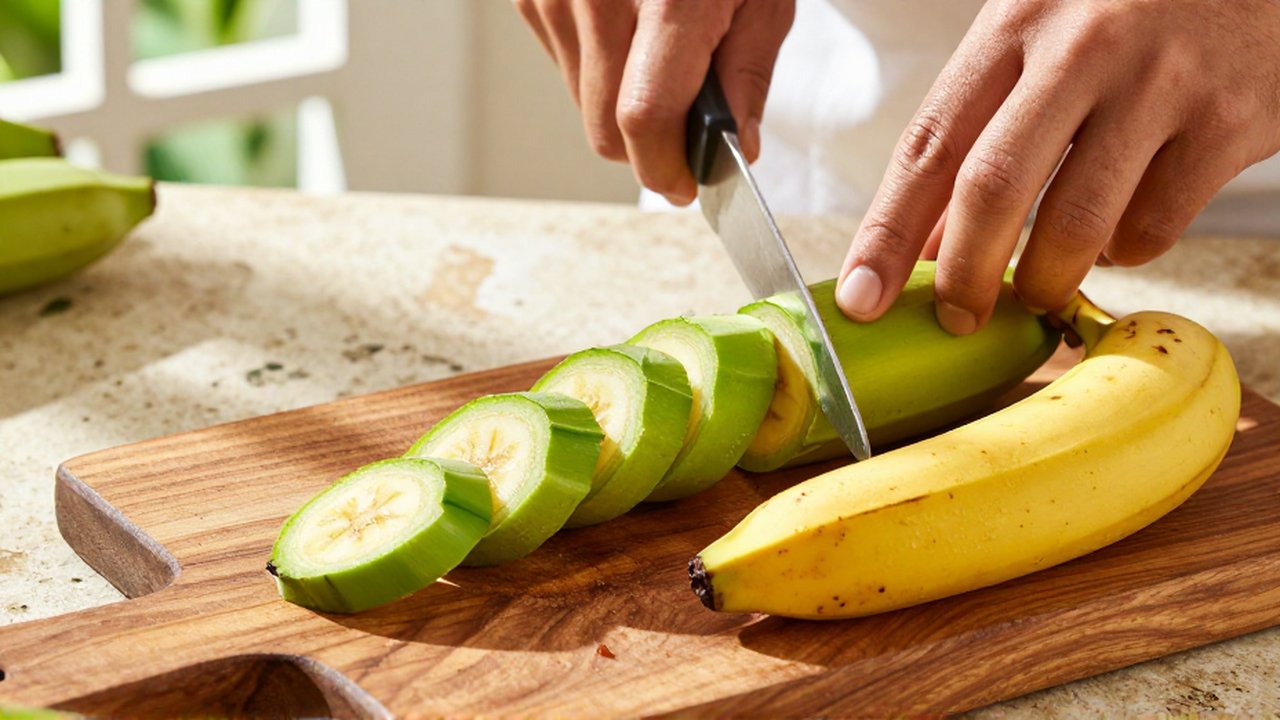
When choosing between the two, the flavor profile is the most immediate indicator. A sweet banana offers a bright, sugary, and aromatic flavor that is pleasant even when eaten cold. A plantain, particularly when green, is neutral and slightly earthy, acting as a blank canvas for salt, garlic, or butter.
The texture also dictates how you handle them in the kitchen. A sweet banana is delicate; over-handling can turn it into a paste. A plantain is rugged and resilient. Even when cooked, a plantain retains a certain "bite" or chewiness that is characteristic of root vegetables. This makes plantains much more suitable for sautéing or grilling without them disintegrating into a puree.
Comparison summary for cooks
| Feature | Sweet Banana | Plantain |
|---|---|---|
| Primary Use | Raw, desserts, smoothies | Cooking, savory sides, starch |
| Flavor Profile | Sweet and aromatic | Neutral (green) to sweet (ripe) |
| Texture | Soft, creamy, delicate | Dense, starchy, fibrous |
| Ripeness Indicator | Best when yellow/spotted | Use green for savory; black for sweet |
Frequently asked questions
Can I use a sweet banana instead of a plantain in a recipe? Generally, no. If a recipe calls for plantains (such as for tostones), a sweet banana will become too soft and sugary, losing the necessary texture and savory profile.
When is a plantain ready to be eaten like a fruit? Most people do not eat plantains raw like dessert bananas because of their high starch content. However, as they become very ripe and the skin turns almost entirely black, they become much sweeter and are excellent when fried or baked.
Are plantains and bananas the same thing? They are related members of the Musa genus, but they are distinct culinary products. Think of them like apples and pears: they are similar in many ways but serve different roles in cooking and eating.
Which one is better for weight management? Both are nutritious, but because plantains are higher in starch, they are often consumed in larger quantities as a meal component, whereas sweet bananas are often consumed as a quick snack. The best choice depends on your specific dietary needs and how they are prepared.
Leave a Reply