
How to identify ripe Dominican limes for cooking
Introduction
In Dominican cuisine, the lime is more than just a garnish; it is a fundamental ingredient that provides the essential acidity needed to balance heavy flavors, marinate meats, and brighten tropical seafood dishes. From the zest used in traditional seasoning blends to the juice squeezed over fresh ceviche, the quality of your dish often depends on the potency and freshness of the citrus you select.
Learning how to identify ripe Dominican limes is a crucial skill for anyone looking to replicate authentic Caribbean flavors. Using limes that are underripe or overly mature can result in bitter juices or a lack of the bright, aromatic punch required for traditional recipes. Knowing the subtle visual and tactile cues allows you to shop with confidence and ensures your cooking is consistently flavorful.
Visual indicators of ripeness

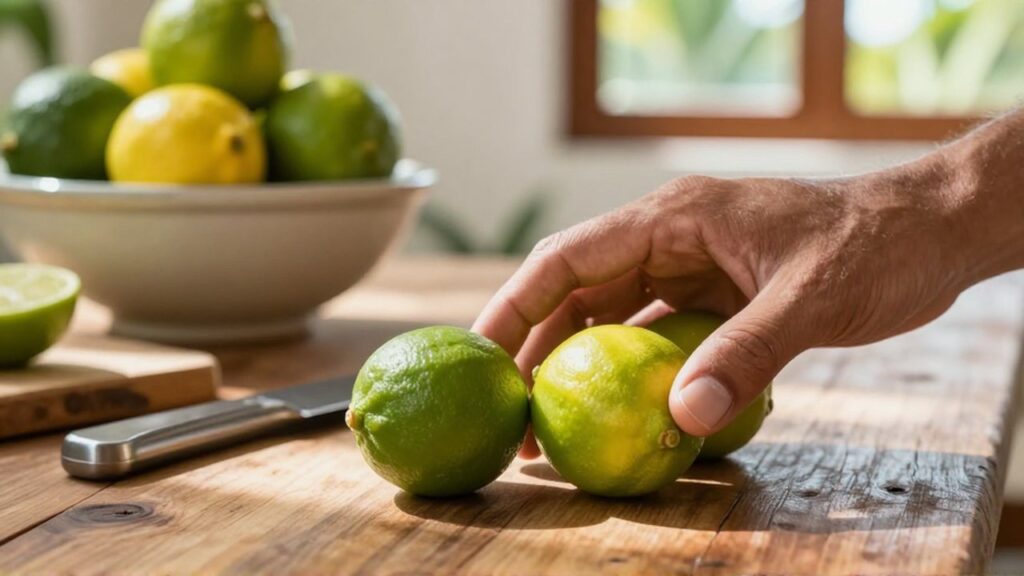
The first step in selecting the perfect lime is a careful visual inspection. In the Dominican Republic, limes are often harvested at different stages, but for cooking purposes, you are looking for specific color transitions and skin textures. While some varieties may appear slightly yellowish when fully mature, the most reliable indicator for culinary use is a deep, vibrant green color.
A lime that is too pale might still be developing its essential oils, whereas a lime that has turned significantly yellow may have lost some of its characteristic tartness and become more mellow. Look for a uniform color across the fruit's surface. Avoid any limes that show dark spots, bruising, or signs of mold, as these indicate decay rather than ripeness. The skin should look tight and healthy, reflecting a fruit that is full of juice.
Tactile feel and weight
Beyond what you see, how the lime feels in your hand is perhaps the most accurate way to determine its juice content. A ripe, high-quality lime should feel surprisingly heavy for its size. This weight is a direct indication of the liquid content stored within the pulp.
When testing for ripeness, follow these tactile guidelines:
- The Squeeze Test: Gently press the lime between your fingers. A ripe lime should have a slight "give" or softness. If the lime feels rock-hard, it is likely underripe and will be difficult to juice. If it feels mushy or collapses easily, it is overripe and may have a fermented taste.
- Surface Texture: Run your fingers over the skin. A smooth, slightly oily texture is often a sign of a fresh, juicy lime. If the skin feels excessively bumpy or leathery, the fruit may be older and have a thicker rind with less juice.
Comparing different lime varieties

Depending on the region or the specific market, you may encounter different types of limes. Understanding these variations helps you choose the right one for your specific culinary needs.
| Feature | Ideal Culinary Lime | Overripe or Poor Quality Lime |
|---|---|---|
| Color | Vibrant, deep green | Dull yellow or brown spots |
| Weight | Heavy for its size | Light or hollow feeling |
| Firmness | Slight, springy give | Extremely hard or mushy |
| Skin | Smooth and tight | Leathery or shriveled |
Common mistakes when selecting citrus
One of the most frequent errors is choosing limes based solely on size. Many cooks assume that larger limes contain more juice, but in many citrus varieties, larger fruit can actually have thicker rinds and less flavorful pulp. It is often better to select a medium-sized, heavy lime than a large, lightweight one.
Another mistake is selecting limes that are too soft. While a little bit of softness is good, a lime that feels "spongy" is likely past its prime. These older fruits can impart a bitter or "off" flavor to sauces and marinades, ruining the delicate balance of a Dominican dish. Always prioritize the combination of weight and a slight springiness over extreme softness.
Frequently asked questions
Can I use yellow limes for cooking? Yes, yellow limes are often more mature and may have a slightly sweeter, less acidic profile. They are excellent for desserts or beverages, but for savory dishes that require sharp acidity, green limes are usually preferred.
How should I store limes to maintain their quality? To keep limes juicy and fresh, store them in a sealed bag in the refrigerator. This prevents the skin from drying out and helps preserve the internal moisture for a longer period.
Why is my lime juice bitter? Bitterness often comes from squeezing the lime too hard and breaking the white pith (the bitter part of the skin) into the juice, or from using limes that are overripe and starting to ferment.
How can I tell if a lime is too old to use? If the skin has become very shriveled, hard, or if there is any sign of soft, dark spots, the lime is likely too old and will not provide the fresh flavor needed for quality cooking.
Leave a Reply