
How to check if an avocado is ripe without cutting
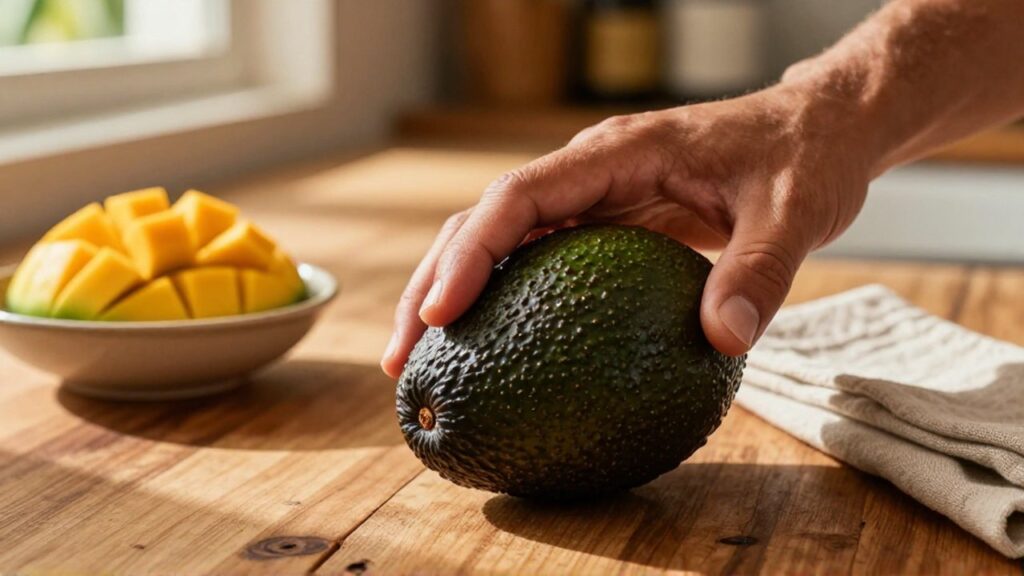
Introduction
Avocados are a staple in many tropical cuisines, prized for their creamy texture and rich, healthy fats. For many home cooks, the most frustrating part of preparing this fruit is the uncertainty of its ripeness. Buying an avocado that is too hard leads to a disappointing, tasteless experience, while selecting one that is overripe can result in mushy, bruised fruit that is difficult to use in recipes.
Knowing how to accurately assess ripeness before you slice into the fruit is essential for effective meal planning and reducing food waste. By mastering a few simple sensory techniques, you can select the perfect avocado for any purpose, whether you need a firm slice for a salad or a smooth mash for a traditional dip. This guide provides practical, reliable methods to judge ripeness using only your hands and eyes.
The gentle squeeze test
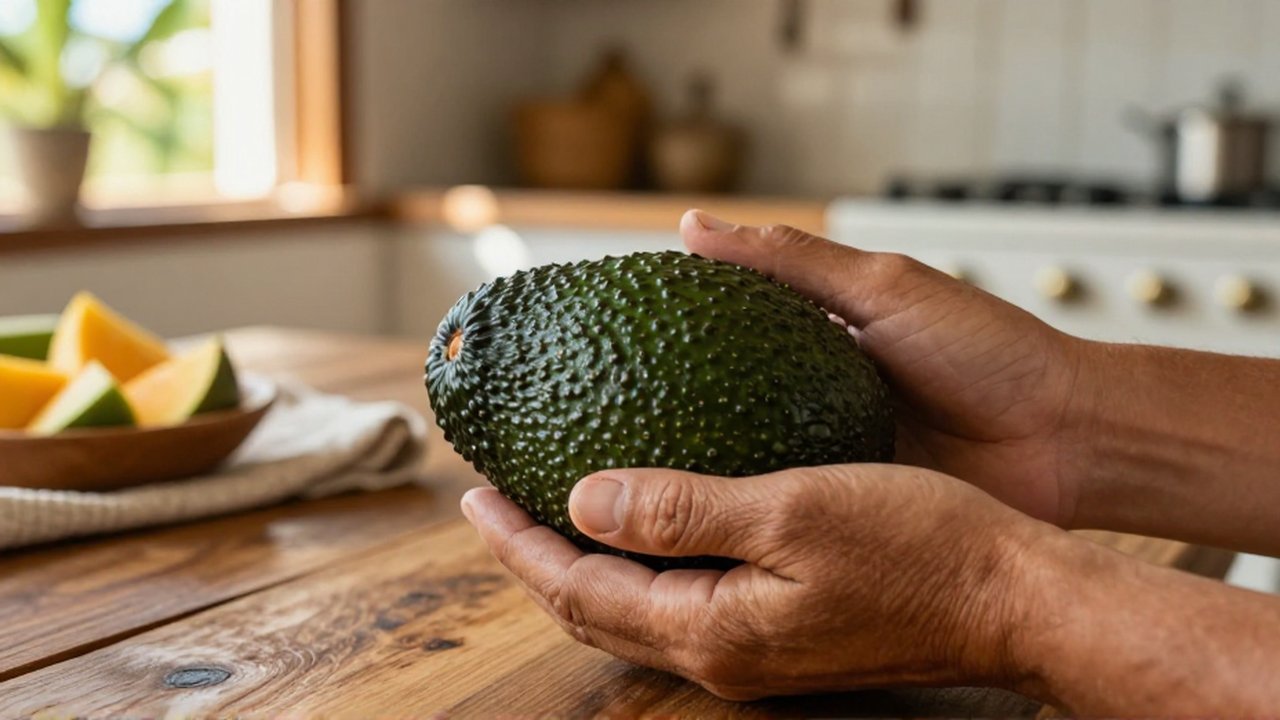
The most common and effective way to check for ripeness is by using your hand to apply very light pressure to the skin of the avocado. This method relies on the fruit's firmness to indicate its internal state. When you press the skin, you are feeling for the resistance of the flesh beneath.
If the avocado feels hard, like a rock, it is underripe. This means the starches have not yet converted into fats, and the fruit will likely be bitter and unpalatable. If the avocado feels very soft and yields deeply to even a light touch, it is likely overripe and may have brown spots or a fermented smell inside. The ideal avocado should feel slightly yielding to gentle pressure, similar to the firmness of a ripe peach or a plum.
When performing this test, it is crucial to use the palm of your hand rather than your fingertips. Using your fingertips can apply concentrated pressure to one specific spot, which may bruise the fruit and give you a false reading. By cupping the avocado in your palm, you distribute the pressure evenly across the surface, providing a more accurate representation of its overall ripeness.
Visual cues and skin color
While color is not the only indicator of ripeness, it is a significant visual cue that provides immediate context. The appearance of the skin can tell you a lot about what stage of the ripening process the fruit is currently inhabiting.
For the popular Hass variety, which is widely used in culinary settings, the skin changes from a bright green to a dark, pebbly purple or almost black color as it matures. A deep, dark skin often suggests the fruit is approaching its peak. However, color alone can be misleading, as some varieties may change color differently or may have been picked at different stages.
You should also look for physical signs of distress on the skin. If the skin appears excessively wrinkled, it is a strong indication that the fruit is overripe and losing moisture. Conversely, a very smooth, shiny green skin usually indicates a fruit that is still quite firm and will require more time to ripen.
Using the stem inspection method
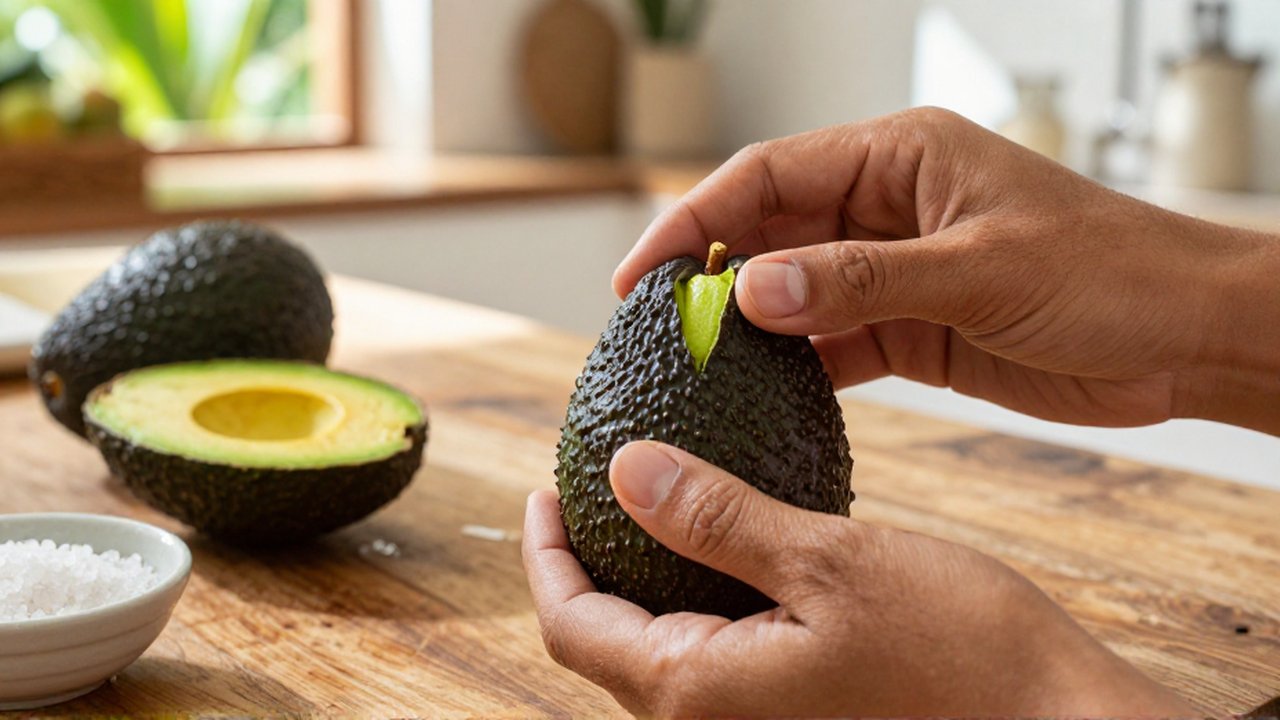
Another discreet way to check for ripeness is by looking at the small stem (or pedicel) located at the top of the avocado. This method allows you to peek "inside" without actually cutting the fruit open.
If you gently flick or lift the small stem cap off the top of the avocado, you can inspect the color of the flesh underneath:
- Green color: If the area under the stem is a bright, light green, the avocado is likely perfectly ripe and ready to eat.
- Brown color: If the area under the stem is dark brown, the avocado is overripe and may have internal bruising or spoilage.
- No stem/Hard to remove: If the stem is stuck firmly or doesn't move easily, the fruit is likely still underripe.
This method is particularly useful when you want to avoid the risk of bruising the fruit with your hands, as it focuses on a single, specific point of entry.
Summary of ripeness indicators
To make a quick decision while shopping or prepping, use this guide to compare what you see and feel.
| Characteristic | Underripe | Perfectly Ripe | Overripe |
|---|---|---|---|
| Texture | Very hard, no give | Slightly yielding/soft | Very soft, mushy |
| Skin Color | Bright green | Dark green to black | Very dark/Wrinkled |
| Stem Area | Hard to remove/Green | Easy to remove/Light green | Easy to remove/Brown |
| Best Use | Keep at room temperature | Eat immediately | Use in smoothies or discard |
Frequently asked questions
Can I speed up the ripening process? Yes, if you have an underripe avocado, placing it in a paper bag at room temperature with an apple or a banana can speed up the process. These fruits release ethylene gas, which helps the avocado ripen faster.
How long does a ripe avocado last on the counter? A perfectly ripe avocado will usually stay at its peak for one to two days at room temperature. Once it reaches that state, it is best to use it promptly to avoid spoilage.
Why is my avocado brown inside even though it felt ripe? Brownness inside can be caused by bruising during transport, oxidation if it was already cut, or the fruit being overripe. If the brown color is widespread and the texture is mushy, it is likely past its prime.
Is a hard avocado still usable in recipes? An underripe avocado is generally not good for guacamole or spreading because of its texture and bitter taste. However, it can sometimes be used in finely diced salads if you do not mind the crunch and lack of creaminess.
Leave a Reply