How much protein is in Dominican red kidney beans
Introduction
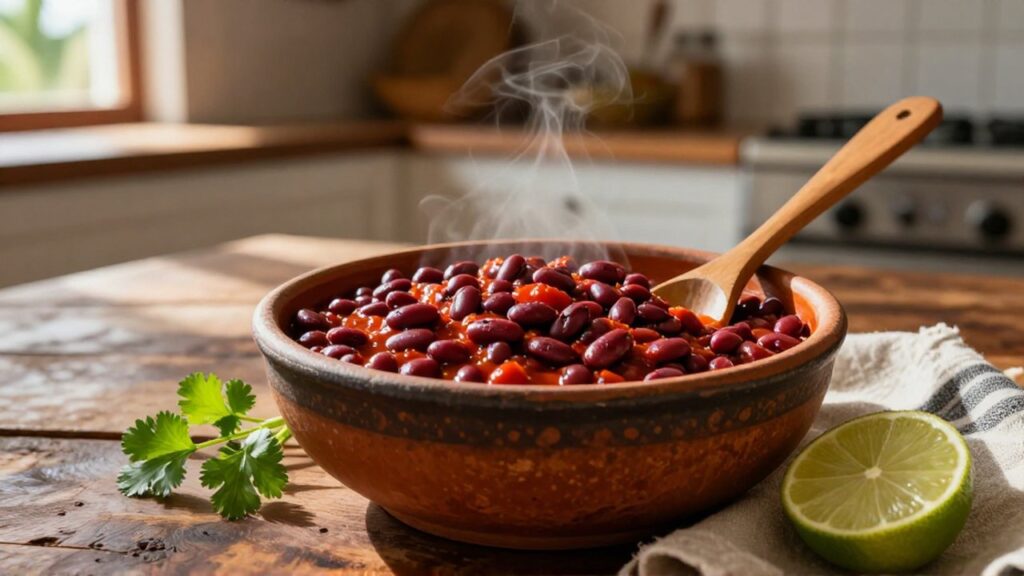
Dominican red kidney beans, often referred to locally as habichuelas rojas, are a nutritional cornerstone of the Caribbean diet. These legumes are not only a staple in traditional dishes like la bandera dominicana but also serve as a vital source of plant-based protein for millions. Understanding the protein content of these beans is essential for anyone looking to manage their macronutrient intake, whether they are following a vegetarian lifestyle or simply aiming for a more balanced meal plan.
Knowing the exact nutritional value of your food allows for better portion control and more effective meal preparation. Because kidney beans are dense in nutrients, they provide sustained energy and satiety, making them an ideal ingredient for everyday cooking. This article explores the specific protein levels found in these beans, their role in a complete diet, and how to maximize their nutritional benefits through traditional cooking methods.
Protein content in red kidney beans
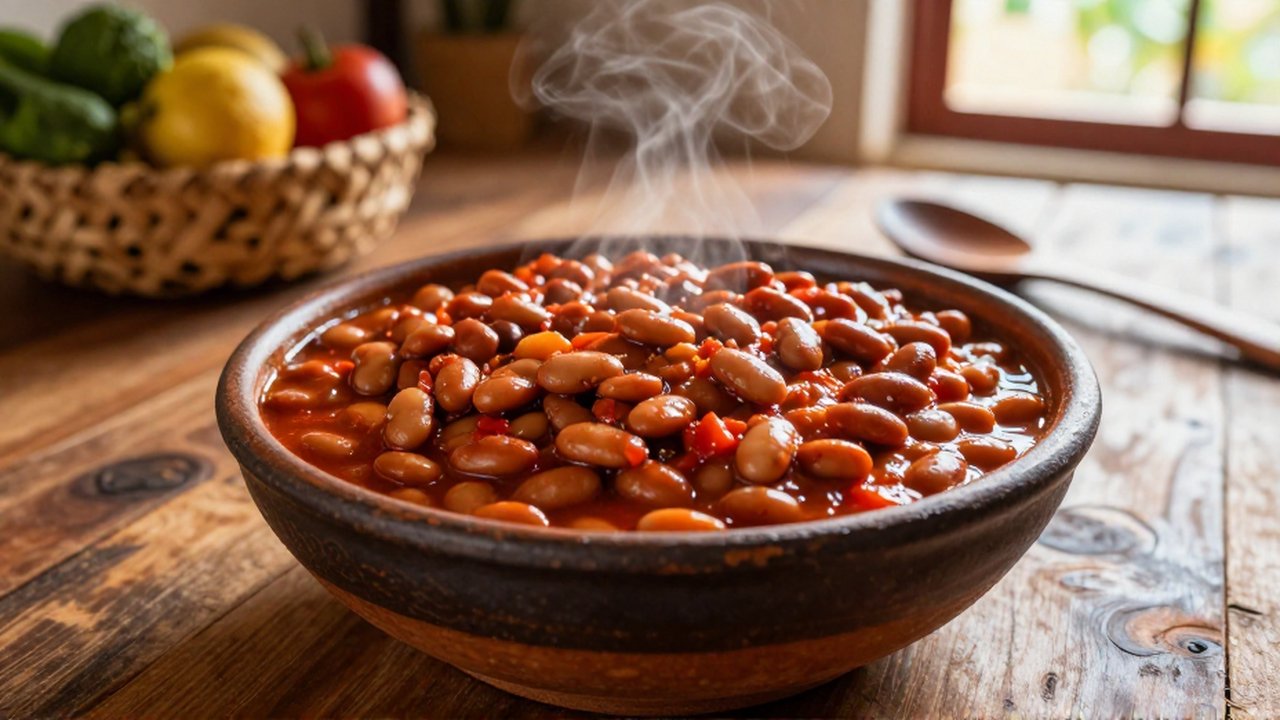
When consuming red kidney beans, the protein content can vary slightly depending on whether they are measured in their dried state or after they have been cooked. Generally, legumes are highly concentrated in nutrients when dry, but most people consume them in their hydrated, boiled form.
For a standard serving of cooked red kidney beans, you can expect approximately 15 grams of protein per cup (roughly 170 to 200 grams). This makes them an excellent source of protein for those seeking to build muscle or maintain tissue health without relying solely on animal products.
The following table provides a general comparison of the nutritional profile of red kidney beans:
| Measurement | Approximate Protein Content |
|---|---|
| 100 grams (Cooked) | 8 to 9 grams |
| 1 cup (Cooked) | 15 grams |
| 1/2 cup (Cooked) | 7.5 grams |
Nutritional benefits of Dominican kidney beans
Beyond just protein, red kidney beans offer a complex profile of micronutrients and macronutrients that contribute to overall wellness. They are a powerhouse of dietary fiber, which is crucial for digestive health and regulating blood sugar levels.
The beans are rich in essential minerals such as iron, magnesium, and potassium. Iron is particularly important for transporting oxygen in the blood, while potassium helps maintain healthy blood pressure levels. Additionally, the presence of antioxidants helps combat oxidative stress within the body. Because they are low in fat and contain zero cholesterol, they are a heart-healthy addition to most dietary patterns.
Maximizing protein absorption and amino acids

While red kidney beans are high in protein, it is important to understand that plant-based proteins are often "incomplete." This means they may be low in one or more essential amino acids that the body cannot produce on its own.
To ensure you are getting a complete amino acid profile, it is a common nutritional practice to pair beans with grains. In Dominican cuisine, this is naturally achieved by serving kidney beans alongside white or brown rice. The rice provides the methionine that beans lack, while the beans provide the lysine that rice lacks, creating a complete protein synergy.
Cooking tips for better nutrition
The way you prepare your habichuelas can affect both their texture and their digestibility. Traditional Dominican cooking often involves sautéing aromatics like onions, garlic, and bell peppers in oil before adding the beans, which enhances flavor while providing healthy fats.
To improve nutrient availability and reduce digestive discomfort, consider these practices:
- Soaking: Soaking dried beans overnight helps reduce phytic acid, which can interfere with the absorption of minerals like iron and zinc.
- Rinsing: If using canned beans, always rinse them thoroughly to remove excess sodium used in the preservation process.
- Slow Cooking: Simmering beans slowly allows them to absorb flavors deeply, making them more palatable without the need for excessive salt.
Frequently asked questions
Are red kidney beans a good source of iron? Yes, red kidney beans are a significant source of plant-based iron. To improve absorption, it is recommended to consume them with foods high in Vitamin C, such as bell peppers or citrus fruits.
Can I replace meat with kidney beans in my diet? Kidney beans are an excellent meat substitute due to their high protein and fiber content. However, to ensure a complete protein profile, you should pair them with whole grains.
Does cooking beans change their protein content? Cooking does not significantly change the total amount of protein in the beans, but because beans absorb water during the cooking process, the protein density per gram is lower in cooked beans than in dried beans.
Are canned kidney beans as nutritious as dried ones? Dried beans generally retain more nutrients and contain no added sodium. However, canned beans are convenient; just ensure you rinse them well to lower the salt content.
Leave a Reply