
How to use local ingredients to prevent vitamin deficiency
Introduction
Maintaining an optimal nutritional status is essential for energy levels, immune function, and overall well-being. Vitamin deficiencies often occur when our diets lack variety or when we rely heavily on processed foods that have lost their vital micronutrients. Understanding how to utilize locally available ingredients is a strategic way to ensure your body receives a consistent supply of necessary vitamins through natural, high-quality sources.
By focusing on seasonal and regional produce, such as those found in Dominican markets, you can access ingredients at their peak nutritional value. This approach not only supports local agriculture but also provides a cost-effective method for preventing micronutrient shortages. Embracing the natural abundance of your environment allows for a more intuitive and effective dietary strategy.
Benefits of consuming seasonal local produce
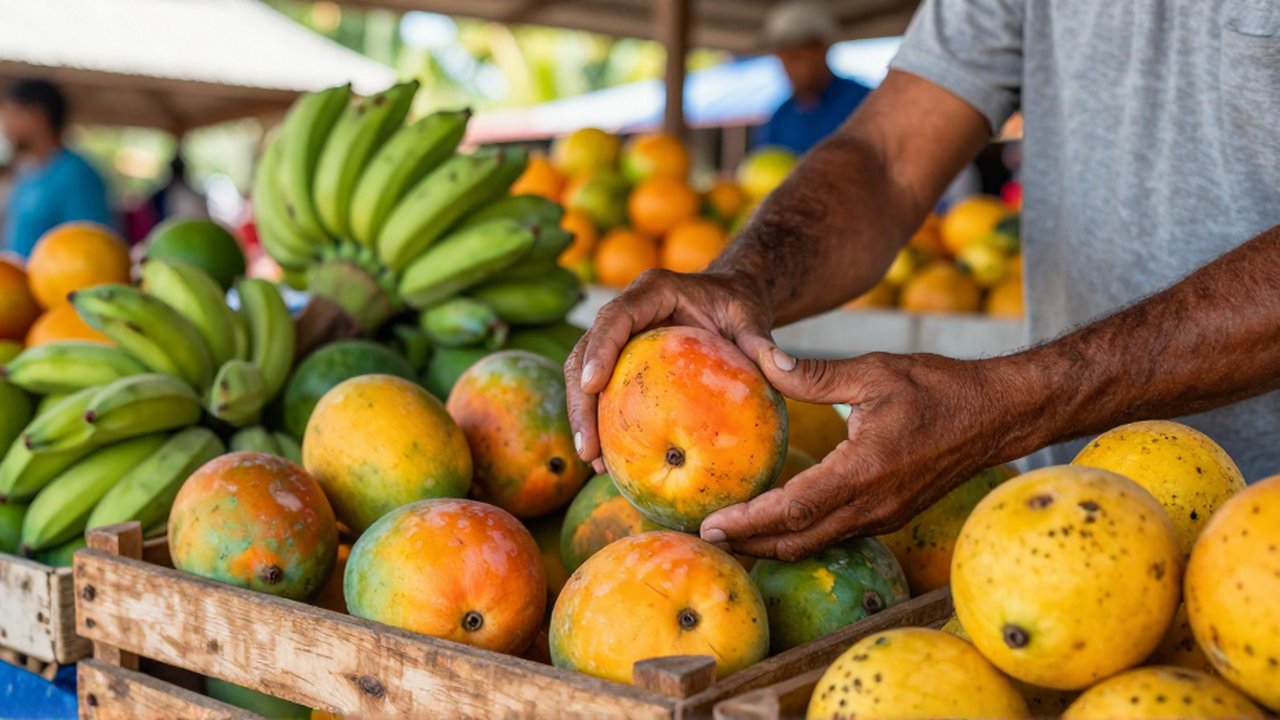
Using local ingredients offers a significant advantage regarding nutrient density. When fruits and vegetables are harvested at their peak ripeness and consumed shortly after, they retain a higher concentration of vitamins. In contrast, produce that is transported over long distances often undergoes extended periods of storage, which can lead to the degradation of heat-sensitive vitamins like Vitamin C.
Furthermore, eating locally helps ensure variety in your diet. Seasonal shifts naturally dictate which foods are available, encouraging a rotation of different plant profiles. This dietary rotation is key to preventing deficiencies because different ingredients offer different micronutrient "toolkits." For instance, eating tropical fruits in one season and root vegetables in another ensures a broader spectrum of vitamins is consumed throughout the year.
Key local ingredients for vitamin fortification
To prevent deficiencies, it is helpful to categorize local ingredients by the specific vitamins they provide. Integrating these into daily meals can create a natural defense against malnutrition.
| Ingredient Category | Common Examples | Primary Vitamins |
|---|---|---|
| Tropical Fruits | Mango, Papaya, Guava | Vitamin C, Vitamin A |
| Root Vegetables | Sweet Potato, Cassava | Vitamin A, B-complex |
| Leafy Greens | Spinach, Local Herbs | Vitamin K, Folate |
| Citrus Fruits | Lime, Orange | Vitamin C |
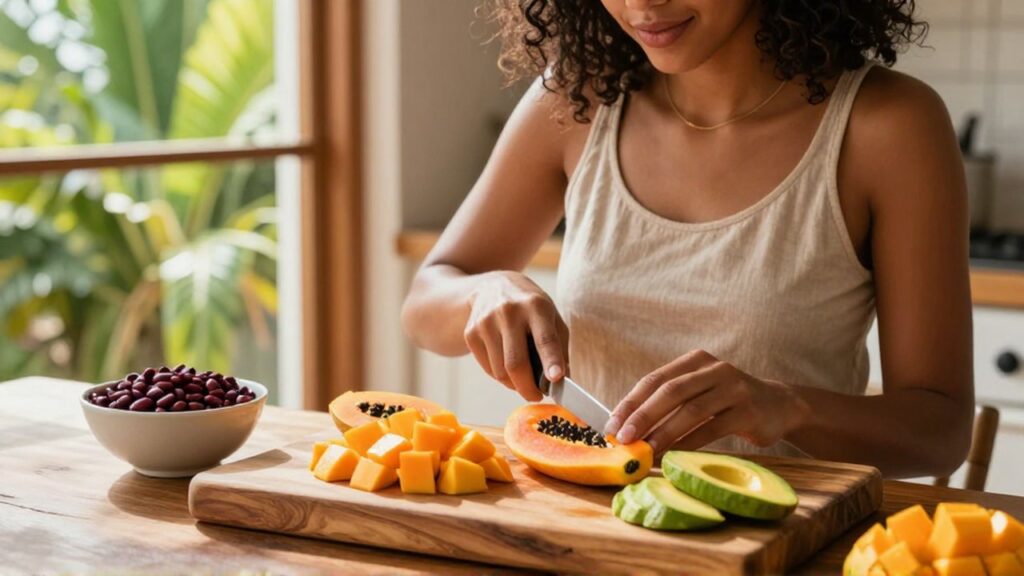
Tropical fruits like papaya and guava are powerhouse sources of Vitamin C, which is crucial for collagen production and immune health. Root vegetables, such as the sweet potato, are excellent sources of beta-carotene, which the body converts into Vitamin A, essential for vision and skin health. Incorporating leafy greens provides Vitamin K and folate, supporting bone health and cellular function.
Practical steps to integrate nutrients into daily meals

Preventing vitamin deficiency does not require drastic dietary changes; instead, it involves intentionality in food preparation and selection.
First, prioritize variety in your plate composition. Instead of relying on a single starch for every meal, try to alternate between cassava, plantains, and sweet potatoes. This rotation ensures you are not over-relying on one source of nutrients while missing others.
Second, pay attention to cooking methods. Many vitamins, particularly B-vitamins and Vitamin C, are water-soluble and can be lost if vegetables are boiled for too long in large amounts of water. Steaming, sautéing, or consuming certain fruits raw helps preserve these delicate nutrients.
Third, utilize local seasonings. Many traditional herbs and spices used in local cooking are not just for flavor; they add small but significant amounts of micronutrients to the meal, contributing to a more nutrient-dense diet overall.
Common mistakes in dietary planning
One frequent mistake is the assumption that all "healthy" foods are equal in nutrient density. For example, consuming only one type of fruit repeatedly may provide a high dose of one vitamin while leaving you deficient in others. A diverse intake is always superior to a concentrated intake of a single source.
Another error is neglecting the importance of healthy fats when consuming fat-soluble vitamins. Vitamins A, D, E, and K require the presence of fats to be absorbed effectively by the body. For example, if you eat a large amount of sweet potato (rich in Vitamin A) without any source of healthy fat, such as avocado or local oils, your body may struggle to utilize the vitamin.
Lastly, over-processing local ingredients can strip them of their value. Turning fresh fruit into highly sweetened juices or boiling vegetables until they lose their texture often results in a significant loss of the very vitamins you are trying to consume.
Frequently asked questions
Can eating local ingredients replace vitamin supplements? While local, whole foods are the best way to obtain nutrients, they should complement a balanced diet. If a person has a diagnosed deficiency, professional medical advice should be sought, as food alone may not be enough to correct severe clinical imbalances.
How does seasonality affect vitamin content? During their natural growing season, local fruits and vegetables are typically at their peak nutritional density. Eating them during this time ensures you are getting the maximum amount of vitamins possible.
Is it better to eat fruit whole or as juice? Generally, eating whole fruit is better because it provides fiber, which slows sugar absorption. However, juicing can be a way to consume high amounts of Vitamin C, provided the juice is fresh and consumed immediately to prevent oxidation.
Do cooking methods really change vitamin levels? Yes, heat and water can significantly impact nutrient levels. High heat or long boiling times can destroy certain vitamins, so using gentler cooking methods like steaming can help maintain nutritional integrity.
Leave a Reply