
Nutritional content of traditional Dominican sancocho stew
Introduction
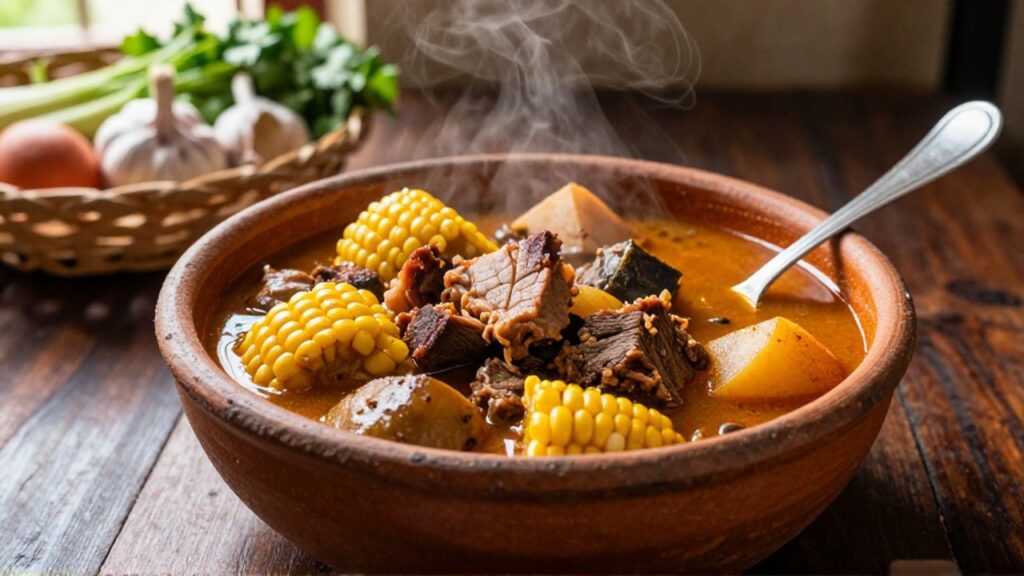
Sancocho is a cornerstone of Dominican culinary identity, a hearty, multi-ingredient stew that represents a fusion of cultural history and local abundance. Traditionally served during celebrations, family gatherings, or as a restorative meal, this dish is carefully crafted by simmering various meats and a diverse array of starchy tubers. Understanding its nutritional content is essential for anyone looking to integrate this cultural staple into a balanced diet, as its complexity makes it a powerhouse of various macronutrients.
Because the recipe varies depending on the household and the specific occasion, the nutritional profile can shift significantly. However, the core components—meat, root vegetables, and seasonal produce—provide a dense concentration of energy. This article explores the caloric density and the breakdown of nutrients found in a typical serving, helping you make informed decisions about how this traditional dish fits into your daily nutritional requirements.
Main ingredients and nutrient density
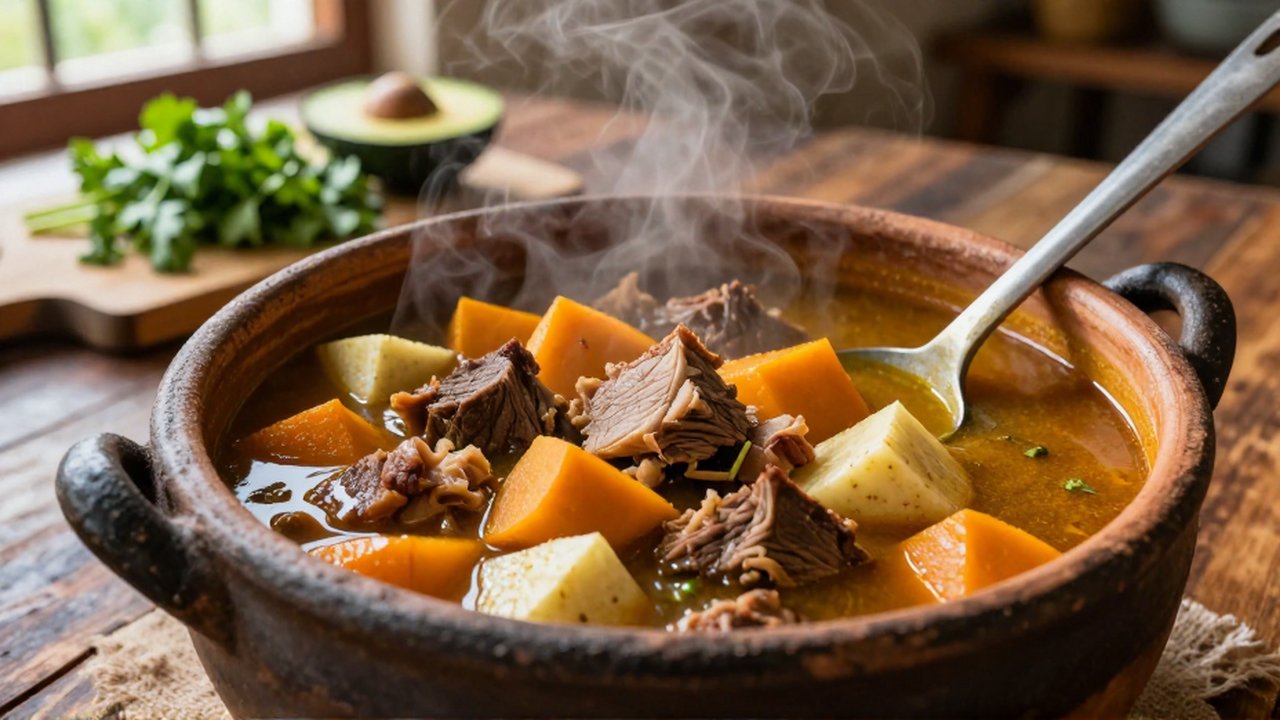
The nutritional value of sancocho is derived from its diverse list of ingredients, which can be categorized into three primary groups: proteins, complex carbohydrates, and micronutrients. Each group plays a vital role in the overall caloric makeup of the stew.
The protein component traditionally consists of several types of meat, such as beef, pork, chicken, or goat. These provide the essential amino acids necessary for muscle repair and metabolic function. Depending on the cuts of meat used, the fat content can vary, influencing the total calorie count per serving.
The carbohydrate foundation is built upon a variety of tropical tubers known as víveres. Common additions include yuca (cassava), plantains, pumpkin (auyama), and sometimes corn or malanga. These ingredients are rich in complex carbohydrates, which offer sustained energy release. They also contribute significant amounts of dietary fiber, which is crucial for digestive health.
Caloric breakdown and macronutrient profile
When analyzing the calories in sancocho, one must consider the density of the ingredients. Because it is a thick, slow-cooked stew, a single serving is often quite calorie-heavy. The following table provides a general estimation of how different components contribute to the caloric load:
| Component Type | Primary Sources | Contribution to Calories | Main Nutrient |
|---|---|---|---|
| Proteins | Beef, pork, chicken | High | Amino acids and fats |
| Complex Carbs | Yuca, plantains, corn | High | Starch and fiber |
| Vegetables/Fats | Pumpkin, cilantro, oil | Moderate | Vitamins and lipids |
The proportion of fat to carbohydrates is the primary driver of the total caloric value. A sancocho that utilizes leaner cuts of meat and fewer starchy tubers will be lower in calories, whereas a traditional version heavy in pork and fried plantain elements will be significantly more energy-dense.
Micronutrients and dietary benefits
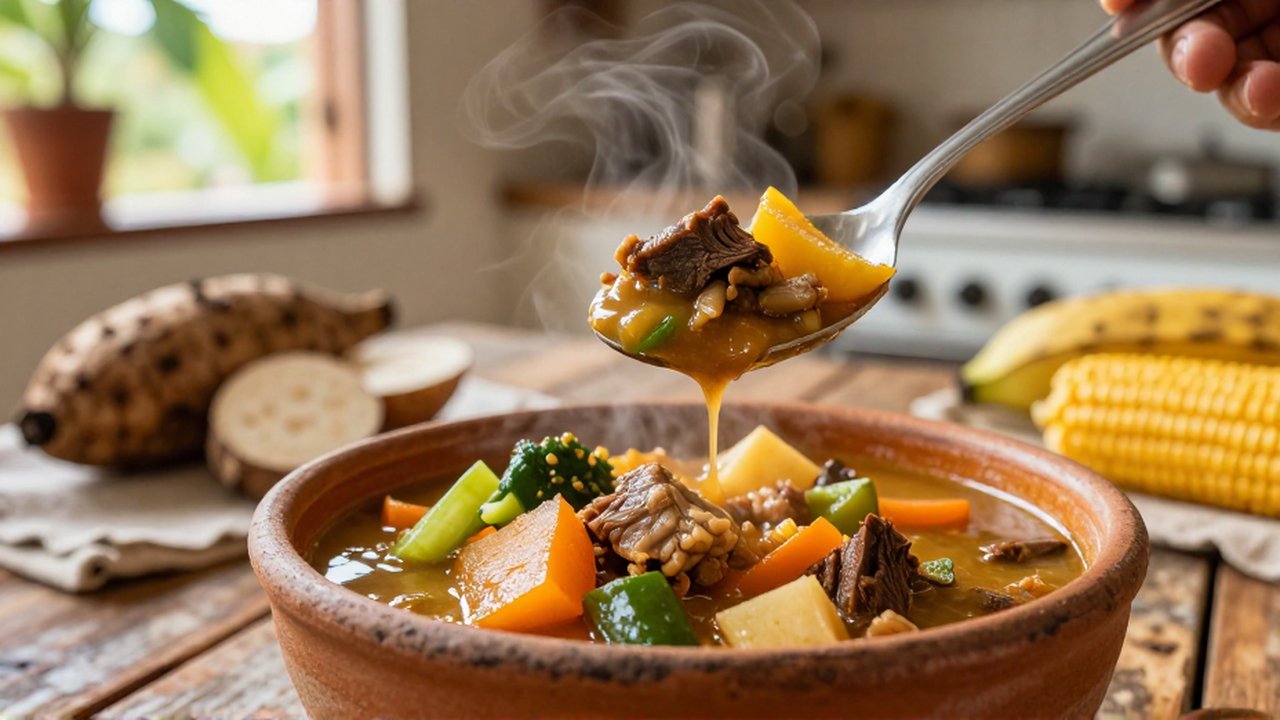
Beyond the macronutrients, sancocho provides a wide spectrum of essential vitamins and minerals. The inclusion of various vegetables and tubers ensures that the body receives a diverse array of micronutrients.
Pumpkin (Auyama) is a frequent ingredient that provides a significant amount of Vitamin A, which is essential for eye health and immune function. Plantains and yuca contribute potassium, an electrolyte necessary for maintaining healthy blood pressure and nerve function. Additionally, the various meats used in the stew provide iron and B vitamins, which are critical for energy metabolism and the prevention of anemia.
The dietary fiber present in the tubers helps to mitigate the rapid spike in blood sugar that can sometimes occur with high-carbohydrate meals. This makes the stew a more satiating option, potentially helping with portion control if consumed in moderation.
Tips for a balanced sancocho consumption
To enjoy sancocho while maintaining nutritional goals, consider the following practical recommendations:
- Control portion sizes: Since sancocho is highly caloric, serving it alongside a large portion of white rice can lead to excessive calorie intake. Try limiting the accompanying starch.
- Select leaner proteins: Using chicken breast or lean beef instead of fatty pork can significantly reduce the saturated fat content.
- Increase vegetable ratio: Adding more non-starchy vegetables or increasing the amount of pumpkin can improve the micronutrient density without drastically increasing the calorie count.
- Mind the seasoning: Traditional recipes often use oils and fats for sautéing. Using these more sparingly can keep the dish lighter.
Frequently asked questions
Is sancocho a high-calorie meal? Yes, sancocho is generally considered a high-calorie meal due to the combination of multiple types of meat and various starchy tubers. It is best consumed as a main meal rather than a side dish.
Is sancocho good for digestion? Because it contains many tubers like yuca and pumpkin, it is a good source of dietary fiber, which can aid digestion. However, the fat content from certain meats may slow digestion for some individuals.
Can sancocho be part of a low-carb diet? In its traditional form, it is difficult to fit into a low-carb diet because the core ingredients are starchy vegetables. However, one can modify it by reducing the amount of tubers and increasing the proportion of meat and leafy vegetables.
How does sancocho affect blood sugar? The complex carbohydrates in the tubers provide a slower release of energy than simple sugars, but the overall glycemic load can be high if large portions of plantains and yuca are consumed alongside rice.
Leave a Reply