
Role of fiber in Dominican tropical fruit diets
Introduction
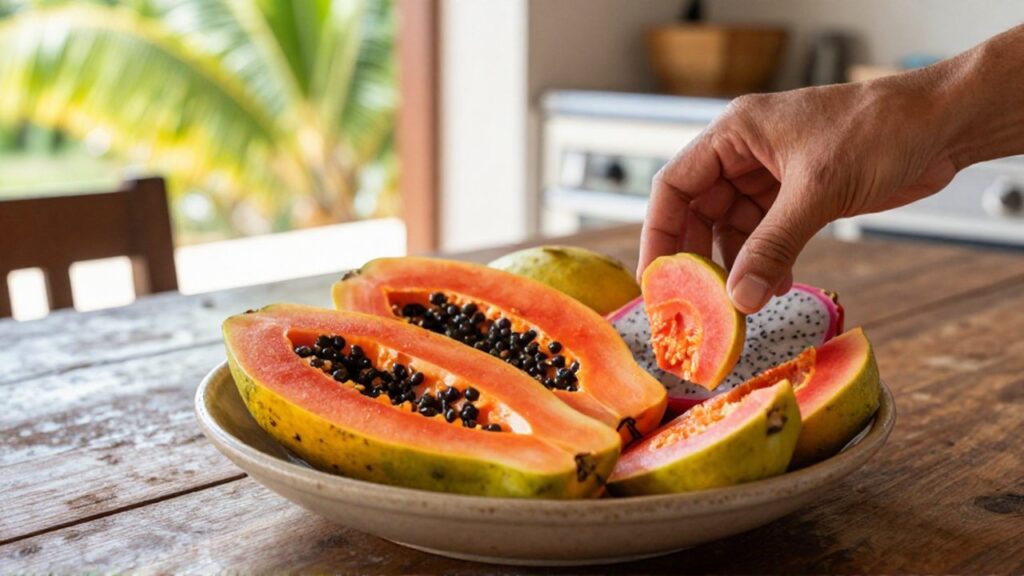
In the Dominican Republic, the diet is deeply intertwined with the abundance of tropical fruits that grow throughout the island. These fruits are not merely sources of sweetness or hydration; they serve as vital vehicles for dietary fiber. Understanding the role of fiber within this culinary context is essential for maintaining digestive health, managing blood sugar levels, and promoting long-term satiety. Fiber acts as a crucial regulator in the body, helping to transform the natural sugars found in tropical produce into a steady source of energy.
For those looking to optimize their nutrition, incorporating these fruits provides a natural method to meet daily requirements for both soluble and insoluble fiber. Integrating these elements into a daily routine is particularly beneficial for individuals seeking to improve their metabolic wellness and gut microbiome diversity. By focusing on the structural components of local fruits, one can harness the full nutritional potential of the Dominican tropical landscape.
Importance of fiber in tropical fruit consumption
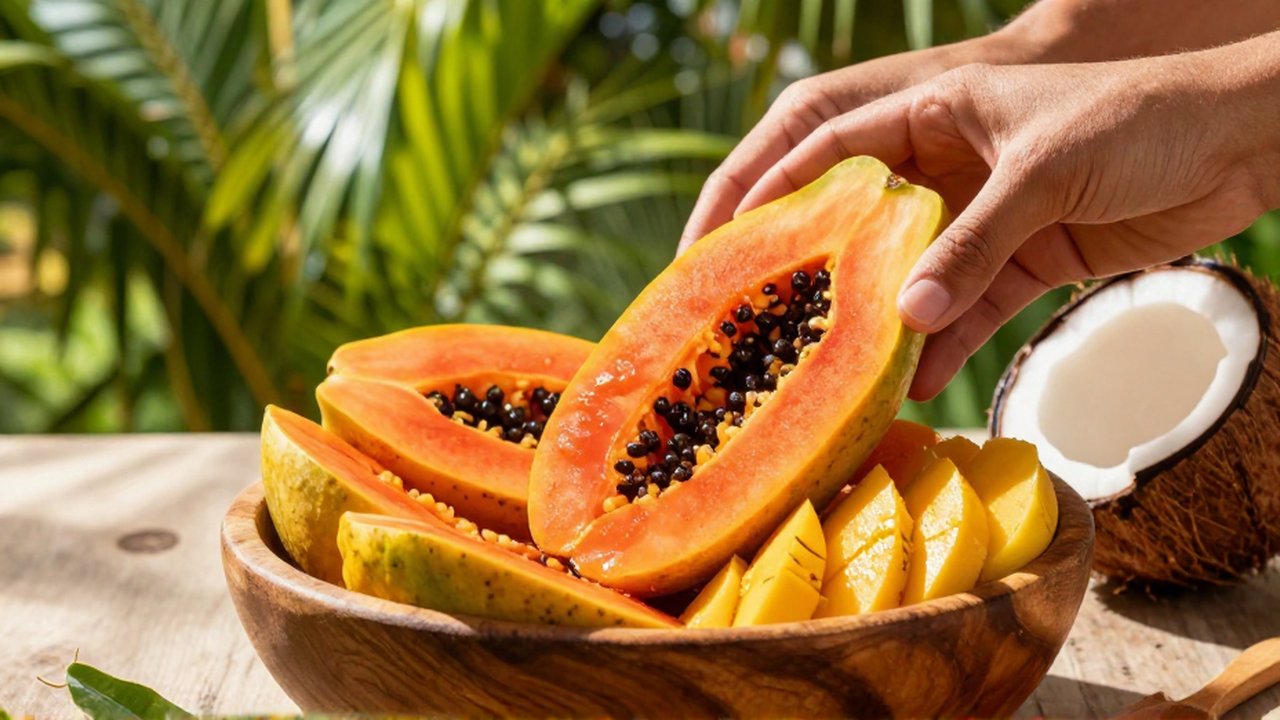
Fiber is a type of carbohydrate that the human body cannot fully digest. Unlike other nutrients that are broken down and absorbed, fiber passes through the digestive system, providing several structural and functional benefits. In the context of a Dominican diet, which often features high-energy staples, the fiber found in tropical fruits serves as a balancing agent.
Soluble fiber, which dissolves in water to form a gel-like substance, is highly prevalent in many local fruits. This type of fiber is essential for slowing down the absorption of sugar and cholesterol, making it an important component for metabolic stability. Insoluble fiber, on the other hand, adds bulk to the stool and assists in the regularity of the digestive process. A diet rich in both types ensures that the body processes nutrients efficiently while maintaining intestinal health.
Nutritional benefits of common Dominican fruits
The variety of fruits available in the Dominican Republic offers a wide spectrum of fiber profiles. Each fruit contributes differently to the daily nutritional intake, depending on its texture and composition.
| Fruit Type | Primary Fiber Benefit | Common Culinary Use |
|---|---|---|
| Papaya (Lechosa) | High in soluble fiber and digestive enzymes | Fresh slices or juices |
| Guava (Guayaba) | Excellent source of insoluble fiber | Jams, juices, and whole fruit |
| Mango | Balanced mix of soluble and insoluble fiber | Sliced fresh or in salads |
| Pineapple (Piña) | Provides fiber alongside digestive enzymes | Fresh consumption or desserts |
| Banana (Guineo) | Provides starch and fiber for sustained energy | Breakfast or snacks |
By consuming these fruits in their whole form, rather than as highly processed juices, individuals maximize their fiber intake. For instance, eating a whole guava provides significantly more nutritional value regarding satiety and gut health than drinking its juice, as the pulp and skin contain the most concentrated fiber.
Strategies for maximizing fiber intake
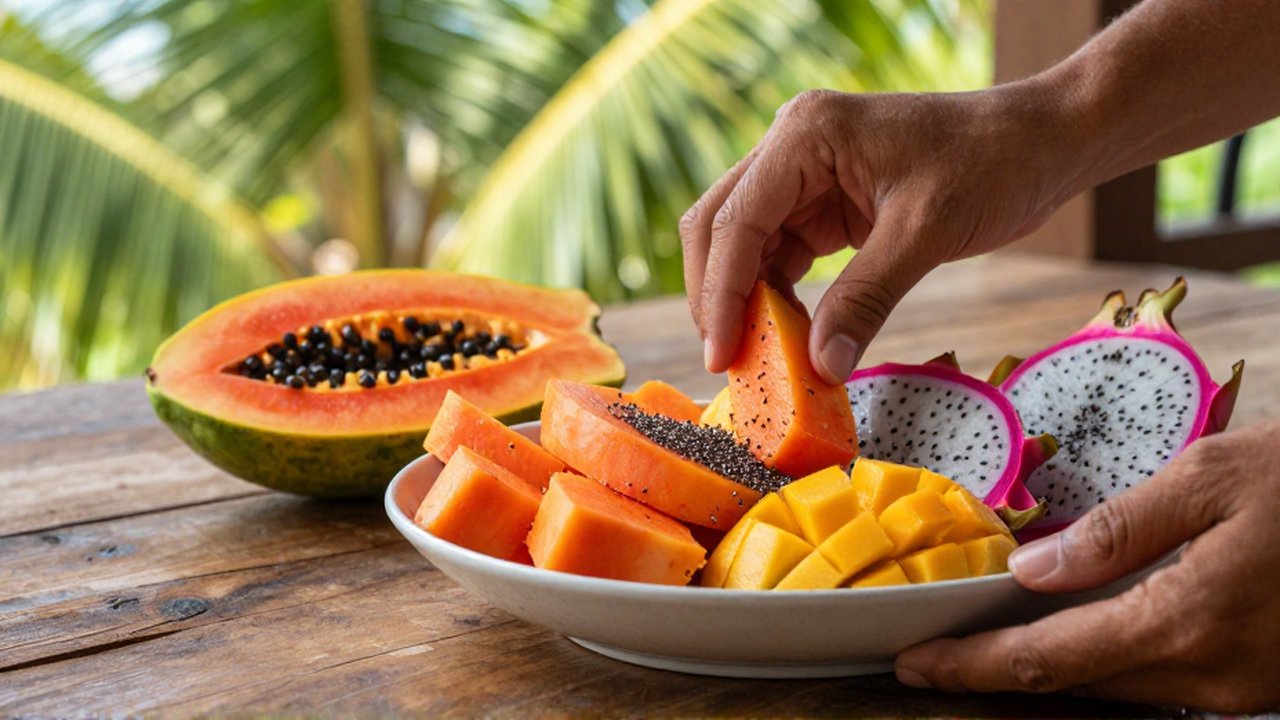
To get the most out of the tropical bounty available, certain dietary practices can be implemented. The goal is to ensure that fiber is consumed in a way that supports, rather than overwhelms, the digestive system.
First, prioritize whole fruits over extracted juices. When fruit is juiced, the majority of the fiber is discarded, leaving behind mostly water and concentrated natural sugars. Consuming the fruit whole ensures the presence of the cellular structure that provides the fiber benefits. Second, vary the types of fruit consumed. Different fruits offer different fiber profiles; rotating between creamy fruits like mango and fibrous fruits like guava ensures a diverse intake of both soluble and insoluble types.
Additionally, hydration is a critical partner to fiber. Fiber works effectively by absorbing water in the gut. If fiber intake is increased without a corresponding increase in water consumption, it can lead to digestive discomfort. Therefore, enjoying tropical fruits alongside plenty of water is a fundamental practice for nutritional success.
Common dietary mistakes and recommendations
One of the most frequent errors is the overconsumption of fruit juices. While refreshing, tropical juices can lead to rapid spikes in blood glucose because the fiber "buffer" is missing. This negates many of the metabolic advantages that whole fruits provide.
Another mistake is the sudden, drastic increase in fiber intake without gradual adjustment. The digestive system requires time to adapt to higher levels of fiber. It is recommended to introduce new, high-fiber tropical fruits into the diet slowly. Furthermore, be mindful of how fruits are prepared. Adding large amounts of sugar or syrups to tropical fruits can overshadow their natural nutritional benefits and counteract the health advantages provided by the fiber.
Frequently asked questions
Does eating fruit skin provide more fiber? Yes, in many tropical fruits like guavas or certain varieties of mango, the skin contains a significant portion of the total fiber content. If the skin is edible, consuming it is an effective way to increase fiber intake.
Is it better to eat fruit in the morning or evening? Fiber is beneficial at any time of the day. Eating fiber-rich fruits in the morning can help with satiety throughout the day, while consuming them in the evening can assist with digestion, provided they are part of a balanced meal.
Can I replace grains with tropical fruits for fiber? While tropical fruits are excellent sources of fiber, they also contain natural sugars. A balanced diet typically requires a mix of fiber from fruits, vegetables, and whole grains to ensure a complete profile of micronutrients and carbohydrates.
How much fiber should I aim for daily? General nutritional guidelines suggest a consistent daily intake of fiber, but the exact amount depends on individual needs. Relying on a variety of whole, unprocessed tropical fruits is a natural way to approach these requirements.
Leave a Reply