How did colonial trade influence Dominican spices
Introduction
The flavor profile of Dominican cuisine is not merely a product of local soil, but a complex tapestry woven from centuries of global interaction. Understanding how colonial trade influenced Dominican spices is essential for anyone looking to grasp the soul of Caribbean cooking. This historical intersection explains why certain aromatic ingredients are indispensable in a traditional sancocho or why specific scents define the island's kitchens.
The arrival of European powers in the Caribbean transformed the archipelago into a central hub for transoceanic exchange. As ships navigated between Europe, Africa, and the Americas, they carried more than just goods; they carried seeds, dried herbs, and culinary philosophies. This period of intense maritime commerce acted as a bridge, merging indigenous Caribbean ingredients with Old World seasonings to create a unique gastronomic identity.
By examining the movement of spices during the colonial era, we can trace the evolution of the Dominican pantry. This historical context helps us recognize that the herbs and spices used today are the result of a long-term process of adaptation, where foreign imports met tropical abundance to redefine the concept of flavor in the New World.
The impact of the Columbian exchange on local seasonings
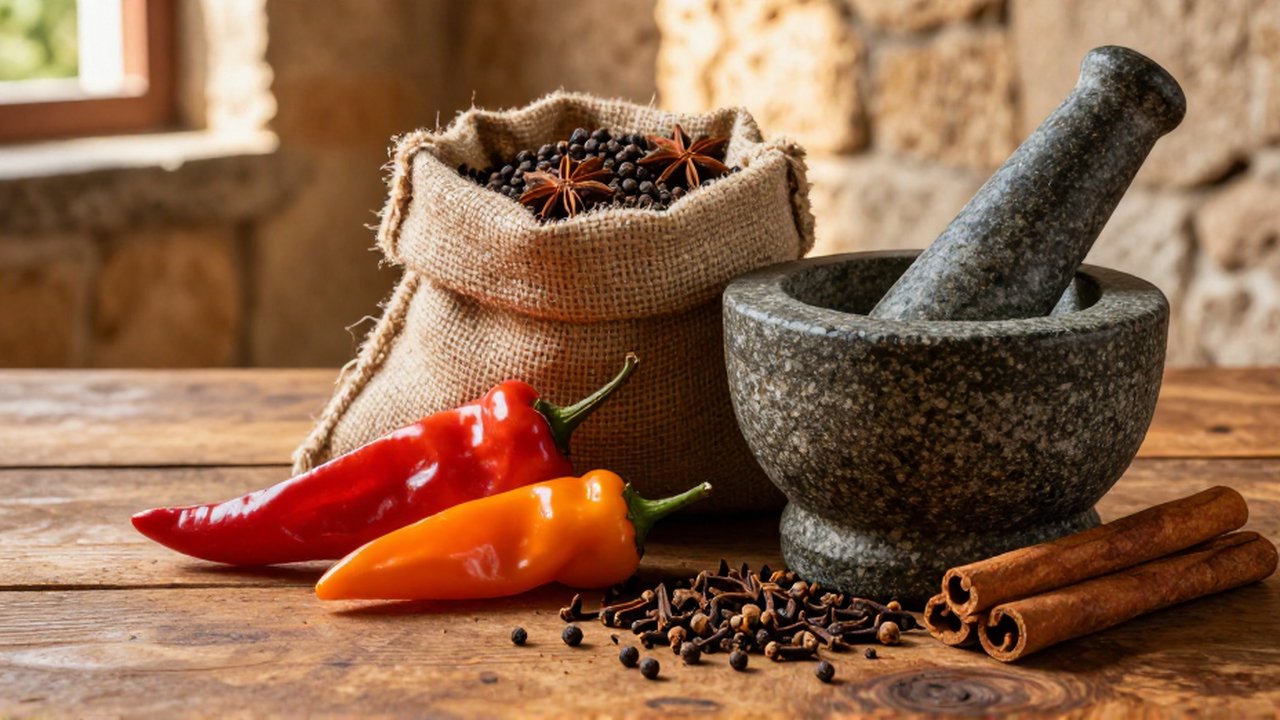
The "Columbian Exchange" was the massive transfer of plants, animals, and culture between the Americas and the Afro-Eurasian hemispheres. For the Dominican territory, this meant a sudden and permanent shift in the available flavor palette. Before the arrival of colonial fleets, the indigenous Taíno people utilized native ingredients like peppers and certain local herbs to season their food.
With the establishment of colonial trade routes, new spices arrived that would eventually become staples in Dominican households. These imports included seasonings used heavily in Europe and the Mediterranean, such as garlic, onions, and various dried herbs. The integration of these foreign elements was not instantaneous but occurred as they were successfully cultivated in the tropical climate or brought in via maritime trade shipments.
The synergy between these new arrivals and existing tropical ingredients created a layered seasoning style. Instead of replacing native tastes, colonial spices worked alongside local chilies and aromatics, leading to a more complex and robust culinary tradition that distinguishes Dominican food from its pre-colonial predecessor.
Integration of African and European spice profiles
The history of Dominican spices is inseparable from the history of the African diaspora and European colonization. Colonial trade did not just bring spices; it brought the people who knew how to use them. As enslaved people were brought to the island, they carried with them deep knowledge of seasoning and preservation techniques.
The culinary landscape became a blend of three distinct influences:
- Indigenous Foundations: The use of local peppers and root-based aromatics.
- European Additions: The introduction of garlic, onions, peppercorns, and cloves via colonial supply lines.
- African Contributions: Diverse methods of using spices to enhance stews and the introduction of specific flavor combinations used in West African cooking.
This fusion ensured that "spice" in the Dominican context became about depth and aroma rather than just heat. The colonial trade routes facilitated the movement of these diverse culinary heritages, allowing them to meld into the cohesive identity we see in modern Dominican dishes.
Essential spices shaped by historical trade
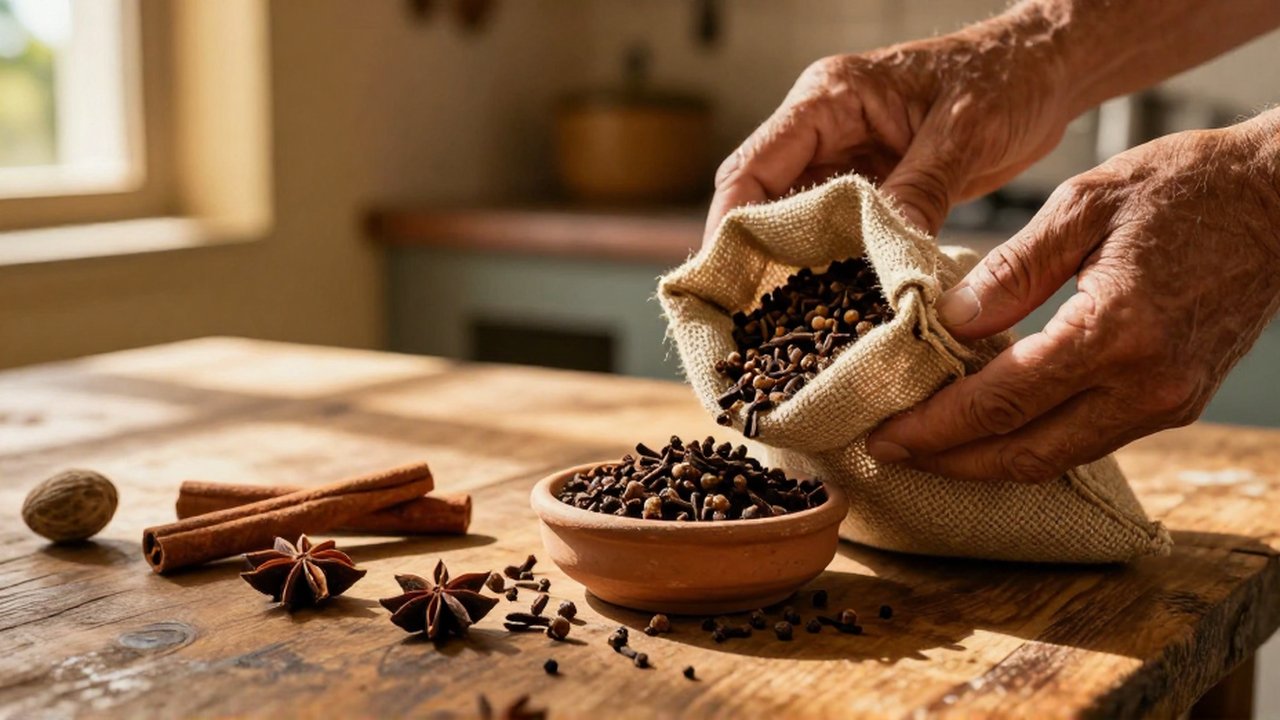
To understand the influence of trade, one must look at the specific ingredients that became indispensable due to their availability through colonial commerce. While some spices are grown locally, their presence in the kitchen is a testament to historical global connections.
| Spice/Aromatic | Origin Context | Role in Dominican Cuisine |
|---|---|---|
| Garlic and Onion | European/Mediterranean | The foundational aromatic base for almost every savory dish. |
| Black Pepper | Asian/European Trade | Used to add subtle heat and earthiness to meat and stews. |
| Cinnamon | Asian/Global Trade | Essential for sweet desserts and certain savory rice dishes. |
| Cloves | Asian/Global Trade | Provides a deep, pungent aroma in festive or ceremonial cooking. |
| Oregano | Mediterranean | A vital herb used for seasoning meats and flavoring tomato sauces. |
These ingredients were once exotic luxuries brought by long-distance traders, but through the centuries of colonial settlement, they transitioned from high-status imports to everyday domestic necessities.
Legacy of maritime commerce in modern kitchens
The legacy of colonial trade remains visible in every Dominican kitchen today. The way spices are layered—starting with a base of aromatics like garlic and onions before adding dried spices—reflects a historical accumulation of culinary techniques. This methodical approach to seasoning is a direct result of the diverse influences that converged on the island.
Modern Dominican cooking continues to honor this heritage by balancing the heat of local peppers with the warmth of imported spices. This balance creates a flavor profile that is both familiar and exotic, a living map of the island's historical role in the global spice trade. Understanding this history allows cooks to appreciate that a simple seasoning is actually a complex narrative of human movement and cultural survival.
Frequently asked questions
Did the indigenous people use many spices? The Taíno and other indigenous groups primarily used local ingredients like various types of peppers (ají) and certain aromatic herbs, focusing on fresh, local flavors rather than the dried, imported spices of the Old World.
Why is garlic so important in Dominican food? Garlic became a cornerstone of the cuisine because it was a primary ingredient brought by European settlers and integrated quickly into the local cooking style, becoming an essential aromatic for most savory recipes.
How did spices travel to the island during the colonial era? Spices arrived via large merchant ships traveling on established maritime routes between Europe, Africa, and the Americas, often serving as both consumer goods and valuable commodities for trade.
Is Dominican food considered "spicy" in terms of heat? Dominican cuisine focuses more on "flavorful" and "aromatic" profiles rather than high heat. While peppers are used, the emphasis is usually on the depth provided by garlic, onions, and dried spices like oregano and pepper.
Leave a Reply