
What are the historical roots of Sancocho recipes
Introduction
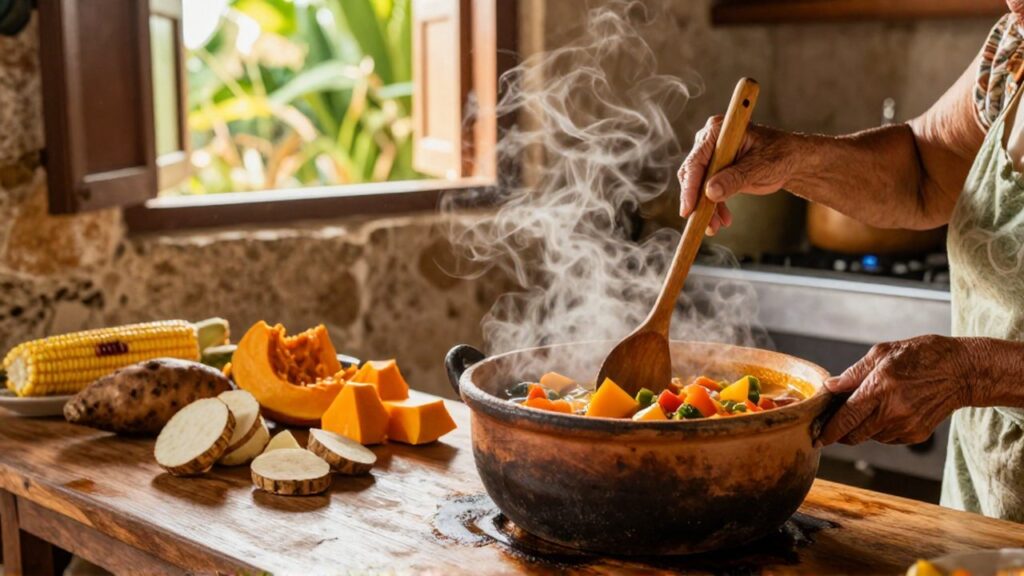
Sancocho is much more than a mere stew; it is a culinary emblem of Dominican identity and a profound reflection of the island's complex history. This hearty, multi-ingredient dish serves as a centerpiece for family gatherings, religious celebrations, and community festivities, offering a sense of continuity across generations. Understanding its origins is essential to appreciating how various cultures merged to create a single, cohesive culinary experience that defines the Caribbean spirit.
The history of Sancocho is a narrative of convergence, illustrating how different civilizations shared their resources and techniques. To study its roots is to study the evolution of the Dominican people, tracing the intersection of indigenous traditions, European influences, and the profound impact of the African diaspora. This article explores how these disparate elements combined to form one of the most beloved and culturally significant recipes in the region.
The indigenous foundation of the dish
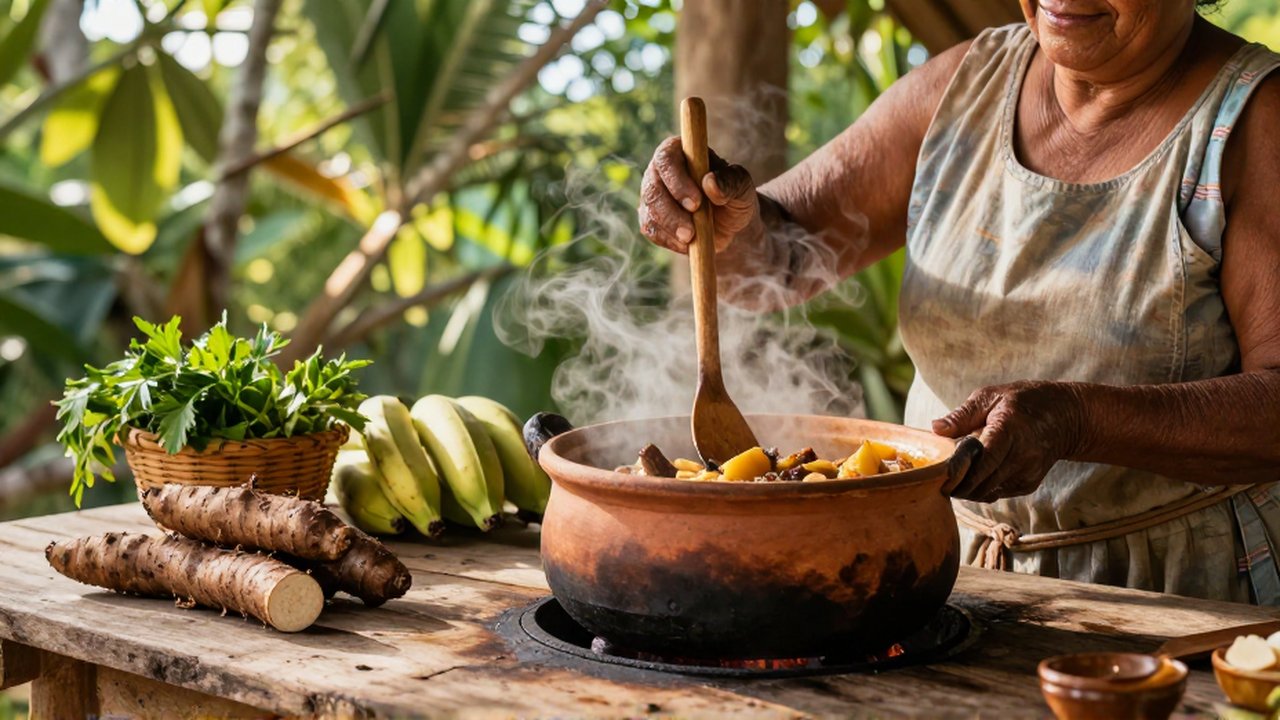
Before the arrival of European settlers, the Taíno people inhabited the island of Hispaniola. They possessed a deep knowledge of the local land, utilizing various tubers and roots that remain essential to Sancocho today. The indigenous contribution to the dish lies primarily in the selection of base ingredients such as yuca (cassava), batata (sweet potato), and various types of corn.
The Taíno method of cooking involved slow-simmering ingredients in clay vessels, a technique that allowed flavors to meld deeply. These early inhabitants utilized the natural bounty of the tropical landscape, creating stews that were both nutritious and restorative. While the modern version of Sancocho has evolved significantly, the fundamental reliance on starchy roots as a thickening agent and nutritional base is a direct legacy of these prehistoric culinary practices.
European influences and meat integration
The arrival of Spanish colonizers introduced a radical shift in the ingredients and structure of the traditional stew. The Europeans brought with them livestock that were not native to the Americas, including pigs, cows, and chickens. The introduction of these proteins transformed the indigenous root-based broths into a more substantial, meat-heavy meal.
Furthermore, the Spanish influence introduced specific seasonings and cooking styles, such as the use of garlic, onions, and certain herbs that are now inseparable from the Dominican flavor profile. The concept of a "sancocho"—a term derived from the Spanish verb sancochar, meaning to parboil or partially boil—reflects the colonial influence on the preparation method. This era merged the slow-cooking indigenous traditions with the meat-centric dietary habits of the Mediterranean, creating a hybrid dish that satisfied both local availability and imported preferences.
African contributions to the flavor profile
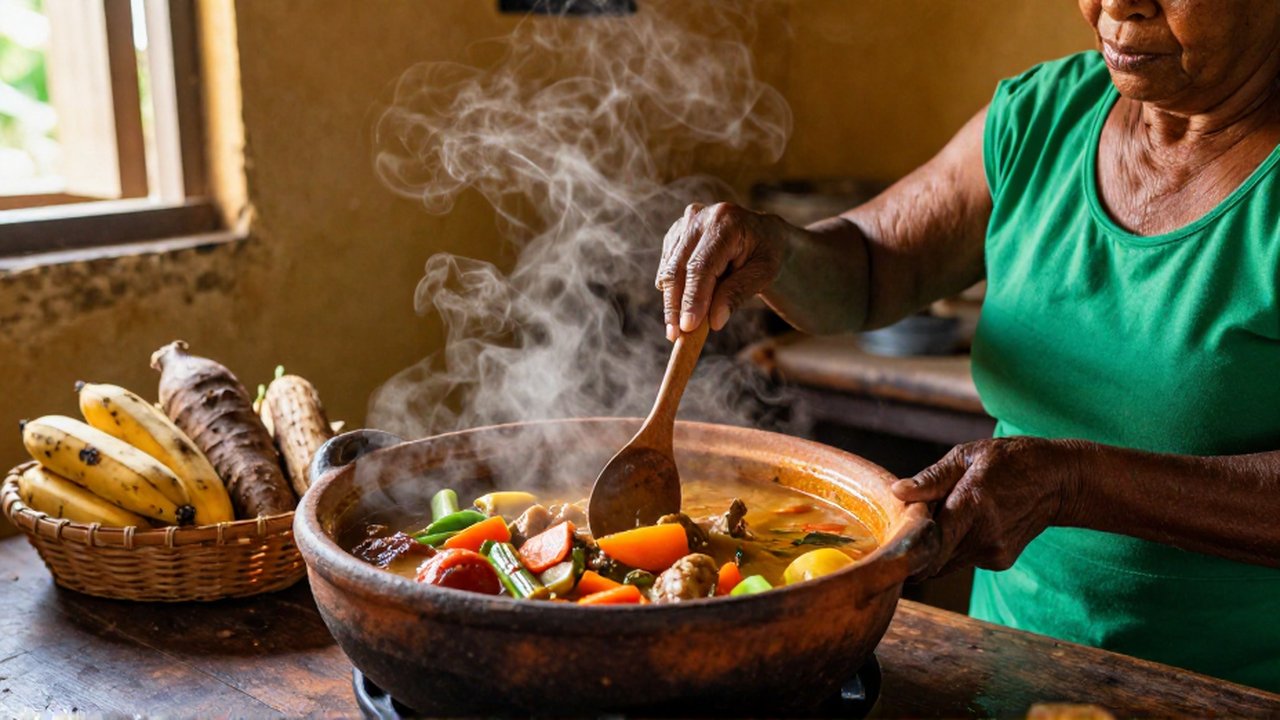
The African diaspora played a decisive role in shaping the soul of Sancocho. Enslaved Africans brought with them sophisticated knowledge of spices, complex seasoning techniques, and a profound ability to create flavorful meals from modest ingredients. Their contribution is visible in the intense depth of flavor achieved through the careful layering of aromatics and the use of specific oils and fats.
The African influence is often felt in the "soul" of the dish—the way spices are toasted or sautéed to create a rich base, often referred to as a sofrito. This culinary expertise allowed for the creation of a robust, highly seasoned broth that could sustain large groups of people. The integration of African culinary logic helped turn a simple collection of roots and meats into a complex, layered masterpiece of Caribbean gastronomy.
Evolution through regional and social diversity
Over the centuries, Sancocho has diversified based on geography and socioeconomic factors. This evolution has resulted in several variations that can be categorized by their primary ingredients:
| Variation Type | Primary Characteristics |
|---|---|
| Sancocho de Siete Carnes | A luxury version featuring seven different types of meat, often served at weddings or major feasts. |
| Sancocho de Pescado | A coastal variation utilizing fish and seafood, reflecting the maritime resources of the islands. |
| Sancocho de Pollo | A more common, domestic version using chicken, often prepared for daily family meals. |
| Rural/Country Sancocho | Heavily reliant on whatever seasonal tubers and vegetables are currently available in the local garden. |
These variations demonstrate the adaptability of the recipe. While the "core" of the dish remains consistent, the ability to swap ingredients based on availability ensures that Sancocho remains a living, breathing part of the culture rather than a static museum piece.
Frequently Asked Questions
Is Sancocho the same as a regular soup? No. While both are liquid-based, Sancocho is significantly thicker and more substantial due to the high concentration of starch from tubers and the variety of meats used. It is considered a complete meal rather than an appetizer.
Why is it often called "Sancocho de Siete Carnes"? The "seven meats" version is a traditional way of expressing abundance and hospitality. It is often prepared for special celebrations to showcase generosity and the richness of the household.
Can Sancocho be made vegetarian? Yes. While the traditional root of the dish involves meat, many modern variations use only vegetables and tubers, maintaining the thick texture and rich flavor through the seasonal use of plant-based ingredients.
Leave a Reply