History of Italian migration in Dominican cooking techniques

Introduction
The culinary landscape of the Dominican Republic is a vibrant mosaic formed by centuries of cultural exchange, including significant influences from European migratory waves. Among these, Italian migration played a subtle yet profound role in shaping the country's gastronomic identity. While not as massive as other migratory flows, the arrival of Italian families brought specific culinary philosophies and technical methodologies that integrated seamlessly with local Caribbean ingredients.
Understanding this historical intersection is essential for recognizing how modern Dominican kitchens balance tradition with Mediterranean refinement. This influence is not merely found in the presence of pasta or pizza, but rather in the underlying techniques of slow-cooking, sauce preparation, and the art of making dough. By examining these contributions, we gain a deeper appreciation for the complexity of Dominican cuisine and its ability to evolve through global connections.
The historical context of Italian arrivals

Italian migration to the Caribbean, including the Dominican Republic, occurred in various waves, often driven by economic opportunities and the search for new beginnings in the Americas. Unlike some migrations that sought to isolate their traditions, Italian immigrants in the Dominican Republic tended to integrate their culinary habits into the existing local framework. This integration was facilitated by a shared Mediterranean-style appreciation for fresh produce and communal dining.
As these families established themselves in urban centers, they introduced specific tools and methods to the local domestic sphere. The transition from purely indigenous and African-influenced cooking to a more hybridized style was marked by the introduction of different fats, seasoning structures, and the concept of the "long simmer." This historical blending ensured that Italian influence became a foundational layer rather than a separate, foreign entity.
Impact of Mediterranean methods on local cooking
The most significant contribution of Italian migrants lies in the technical application of heat and the structural composition of meals. Before these influences took deep root, many local cooking methods focused on quick searing, boiling, or frying. The introduction of Italian techniques brought several key shifts to the Dominican kitchen:
- Sautéing and Base Aromatics: The concept of creating a "soffritto" or a base of sautéed aromatics (onions, garlic, and herbs) became a standard practice for building depth in stews and sauces.
- Slow-simmered Sauces: The patience required to develop rich tomato or meat-based sauces influenced how local stews were prepared, encouraging longer cooking times to achieve better flavor profiles.
- Dough Manipulation: The techniques of kneading, proofing, and working with wheat flour introduced a new dimension to local baking and the preparation of various dough-based dishes.
- Emulsification and Finishing: The use of fats and oils to emulsify sauces improved the texture of many traditional coastal and urban dishes.
Integration of ingredients and culinary fusion
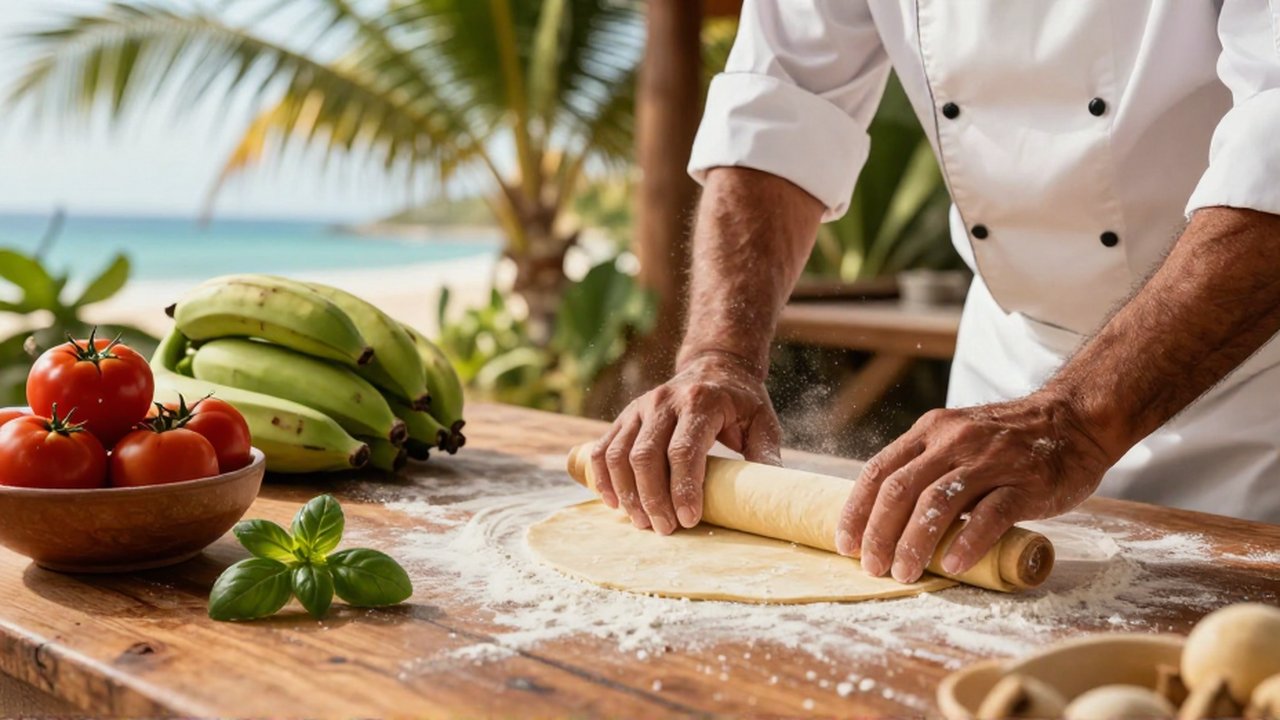
A hallmark of this historical influence is the "domestication" of Italian methods using Dominican ingredients. This fusion created a unique culinary dialect where European techniques met tropical abundance. For example, while the method of making a ragù might follow traditional patterns, the specific herbs or even the types of meats used might reflect local availability.
| Italian Technique | Dominican Adaptation | Resulting Culinary Value |
|---|---|---|
| Sautéing Aromatics | Using local garlic and peppers | Enhanced base flavors in stews |
| Pasta Preparation | Use of local wheat and egg ratios | Diversification of starch consumption |
| Slow Braising | Use of tropical tubers and meats | Improved texture in traditional meals |
| Sauce Reduction | Utilizing local tomato varieties | Concentrated, rich savory profiles |
This synergy allowed for the creation of dishes that felt both familiar and sophisticated. It also meant that Italian culinary logic—focusing on the quality of the base ingredients—became part of the standard for high-quality Dominican cooking.
Common misconceptions regarding food influence
It is a frequent mistake to assume that Italian influence in the Dominican Republic is limited to "Italian restaurants." In reality, the influence is much more structural and domestic. It is not just about eating spaghetti; it is about the way a cook approaches an onion in a pan or handles a heavy sauce.
Another misconception is that this influence replaced local traditions. On the contrary, Italian techniques acted as a supporting structure that enhanced existing flavors. The African and Taíno roots of Dominican food remain the core identity, while the Italian technical "language" provided new ways to express those flavors through different textures and cooking durations.
Frequently asked questions
How can I identify Italian influence in Dominican cooking? Look for the heavy use of sautéed aromatics as a base for savory dishes and the presence of slow-cooked, reduced sauces that provide deep color and texture to stews.
Did Italian migrants bring specific ingredients to the island? While they brought seeds for certain herbs and vegetables, their primary contribution was the knowledge of how to process wheat and how to utilize oils and fats for flavor development.
Is Italian-Dominican fusion a modern trend? No, the integration of these techniques has been a gradual, historical process occurring over several generations as immigrant families blended their methods with local customs.
Does this influence affect local desserts? Yes, the technical approach to doughs, pastries, and the use of certain fats in baking reflects a Mediterranean influence that merged with local tropical fruit uses.
Leave a Reply