Difference between Dominican cake and other Latin cakes
Introduction
When exploring the vast landscape of Latin American confectionery, travelers and food enthusiasts often find themselves comparing various sponge cakes and sweet breads. While many tropical regions share similar ingredients like sugar, eggs, and flour, the specific identity of a cake can vary significantly based on regional techniques and historical influences. Understanding these nuances allows for a deeper appreciation of how culture shapes the way a community celebrates its most important milestones.
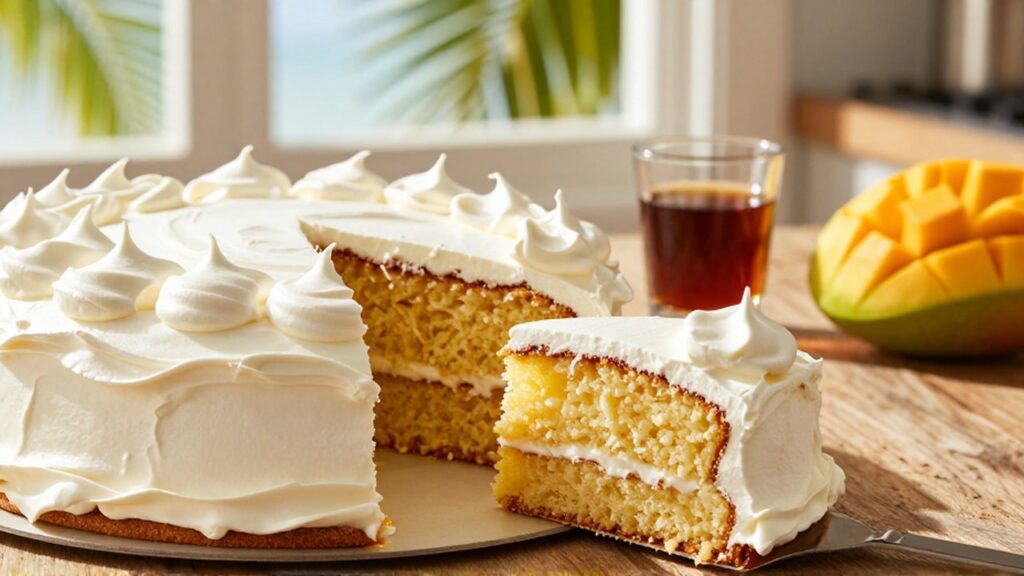
Identifying the specific characteristics of Dominican cake helps distinguish it from the wider variety of Latin cakes found in neighboring countries. This distinction is important for bakers seeking authenticity and for food lovers wanting to understand why a Dominican celebration feels uniquely different from a Mexican or Colombian one. By analyzing texture, moisture, and flavor profiles, we can pinpoint exactly what makes the Dominican version a stand-alone culinary icon.
The unique texture of Dominican sponge cake
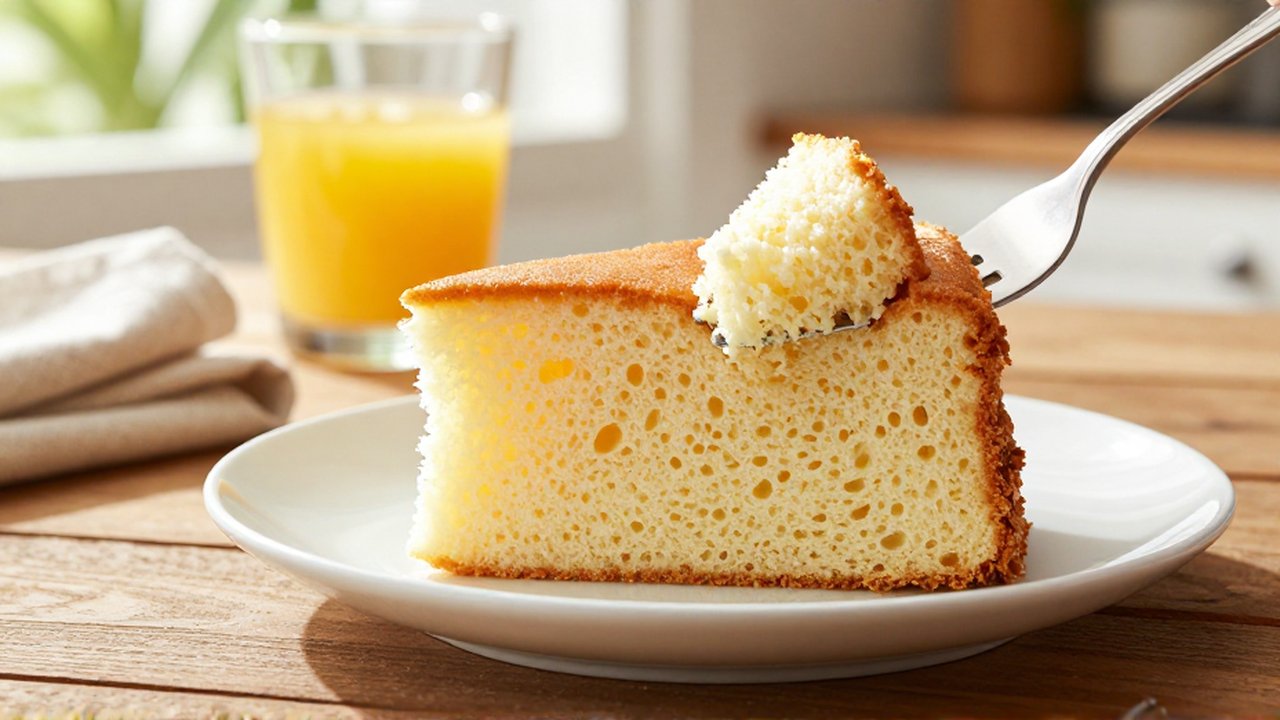
The most immediate way to distinguish a Dominican cake from many other Latin American varieties is its structural integrity and texture. Many Latin cakes, such as the Mexican Tres Leches, are characterized by an extremely high moisture content. These cakes are often intentionally soaked in a mixture of evaporated milk, condensed milk, and heavy cream until they become almost pudding-like in consistency. They are delicious but struggle to maintain a firm shape without a container.
In contrast, the traditional Dominican cake—often referred to simply as Bizcocho Dominicano—is a fine-textured sponge cake that balances moisture with stability. It is known for being incredibly light and airy, yet firm enough to be layered with heavy fillings without collapsing. While it is moist, it is not "soaked" in the same way a Tres Leches cake is. This stability makes the Dominican cake the superior choice for intricate decorations and multi-tiered structures used in weddings and birthdays.
Flavor profiles and ingredient differences
Flavor profiles also serve as a primary differentiator. Many Latin American desserts rely heavily on specific regional spices or local fruit infusions that define their character. For example, some South American cakes may lean heavily on dulce de leche, while others might feature intense cinnamon or nutmeg notes typical of specific colonial influences.
Dominican cake is defined by a very specific, delicate flavor profile that emphasizes high-quality vanilla and a subtle hint of citrus or rum. The use of high-quality butter and a precise ratio of eggs to flour creates a "clean" sweetness that does not mask the subtle aromas of the ingredients. While other Latin cakes might use heavy syrups or fruit preserves to provide flavor, the Dominican cake relies on the quality of the batter itself to carry the taste.
Comparison of common Latin cake styles
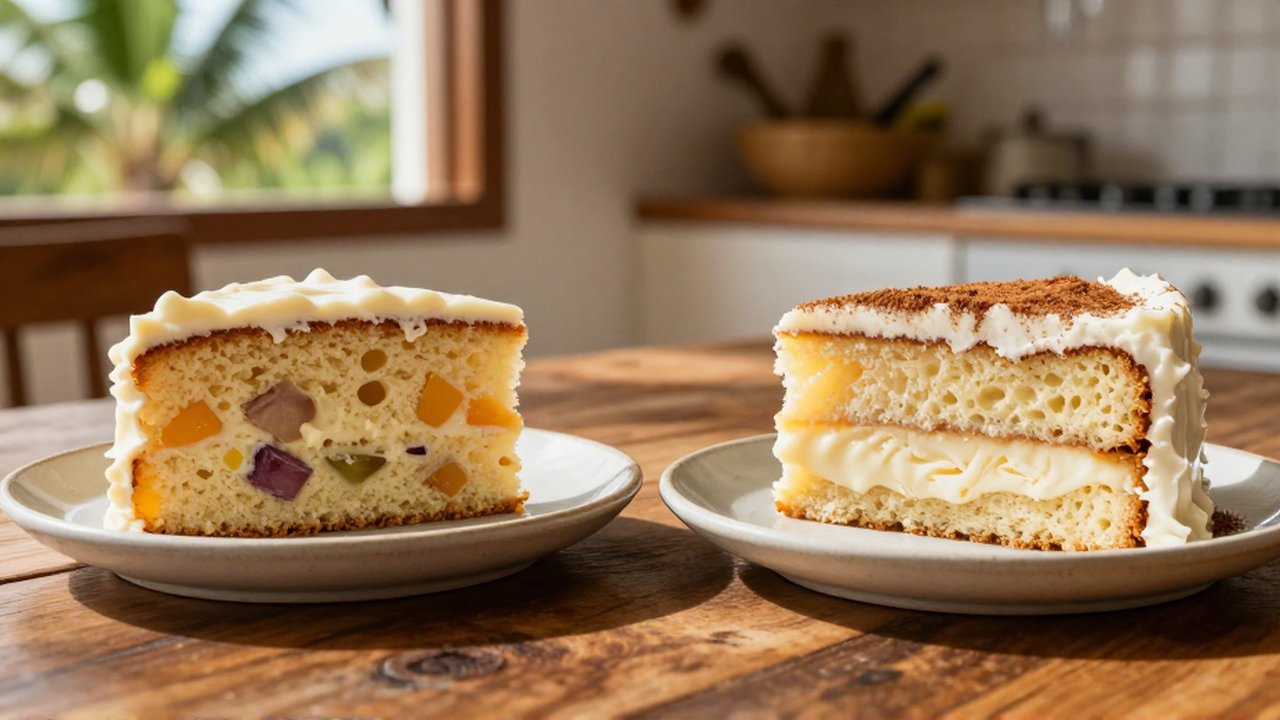
To better understand these distinctions, it is helpful to look at how the Dominican cake compares to other popular styles found throughout the Caribbean and Latin America.
| Cake Type | Primary Characteristic | Texture | Common Use |
|---|---|---|---|
| Dominican Bizcocho | Balanced sponge with light syrup | Airy and firm | Celebrations and weddings |
| Tres Leches | Soaked in three types of milk | Very moist/heavy | Casual desserts |
| Pan de Muerto/Sweet Breads | Yeast-based and aromatic | Bready and dense | Seasonal rituals |
| Flourless/Fruit Cakes | High density, often nut or fruit based | Heavy and rich | Holiday gatherings |
Cultural significance and baking traditions
The method of preparation also reflects a cultural distinction. In many Latin cultures, baking is often a communal or household activity where recipes are passed down through generations of home cooks. However, in the Dominican Republic, the Bizcocho Dominicano has evolved into a highly specialized craft. The mastery of the "fine crumb" is considered a hallmark of a professional Dominican baker.
The cultural role of the cake also differs. While many Latin cakes are served as a simple accompaniment to coffee or as a side dessert, the Dominican cake is often the central protagonist of the party. It is rarely just a food item; it is a centerpiece that signifies the importance of the event. This has led to a specialized industry of bakeries that focus exclusively on perfecting the light, airy, and stable nature of this specific sponge.
Frequently asked questions
Is Dominican cake the same as Tres Leches? No. While both are moist, Tres Leches is a cake soaked in milk to a heavy consistency, whereas Dominican cake is a light, airy sponge that uses a light syrup to maintain moisture without losing its structure.
What makes the texture of Dominican cake so unique? The unique texture comes from a specific aeration process during the baking of the eggs and a precise balance of fats and flour, resulting in a fine, tight crumb that is both soft and sturdy.
Can I use Dominican cake recipes for a Tres Leches style cake? You can, but the results will differ. A Dominican sponge is designed to hold its shape, so if you soak it too heavily in milk, it might not absorb the liquid in the same way a traditional dense sponge would.
What are the main flavors in a traditional Dominican cake? The primary flavors are high-quality vanilla and a subtle sweetness, often enhanced by a light citrus note or a touch of rum in the batter or the soaking syrup.
Leave a Reply