
How to grow a guava tree in tropical climates
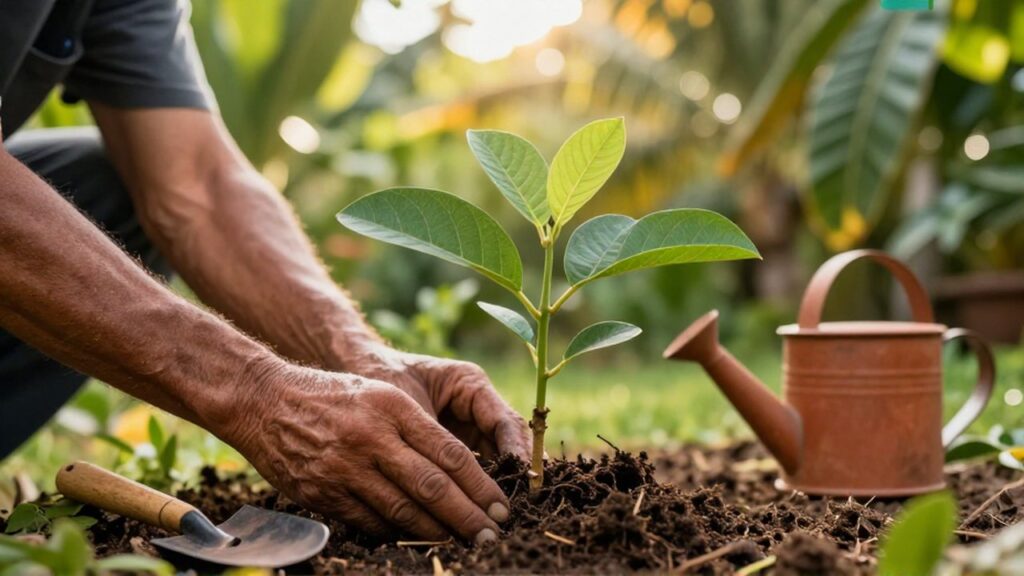
Introduction
Growing a guava tree is one of the most rewarding endeavors for gardeners living in tropical and subtropical environments. The guava tree, scientifically known as Psidium guajava, is a hardy evergreen that produces fragrant, nutrient-dense fruits capable of enhancing both your landscape and your culinary repertoire. By cultivating your own tree, you ensure access to fresh, flavorful fruit that is often superior to store-bought varieties in terms of aroma and texture.
In tropical climates, the conditions are naturally optimized for the guava tree to thrive, as it thrives in warmth and humidity. Learning the correct cultivation techniques allows you to manage growth, maximize fruit yield, and maintain the health of the tree over many years. Whether you are looking to harvest sweet fruit for traditional juices or simply wish to add lush greenery to your garden, understanding the specific needs of this tropical species is the first step toward success.
Ideal environmental conditions for guava trees
Guava trees are native to tropical regions, which means they possess an inherent affinity for high temperatures and consistent sunlight. To achieve optimal growth, the tree requires a location that receives at least six to eight hours of direct sunlight daily. Sufficient light is crucial not only for the structural development of the tree but also for the production of sugar within the fruit, which directly impacts flavor.
Soil quality plays a significant role in the tree's longevity and productivity. While guava trees are remarkably adaptable and can tolerate various soil types, they perform best in well-draining, fertile soil with a slightly acidic to neutral pH. It is essential to avoid areas where water tends to stagnate, as "wet feet" or waterlogged roots can lead to fungal issues and root rot, which are detrimental to the tree's health.
Planting steps and methods
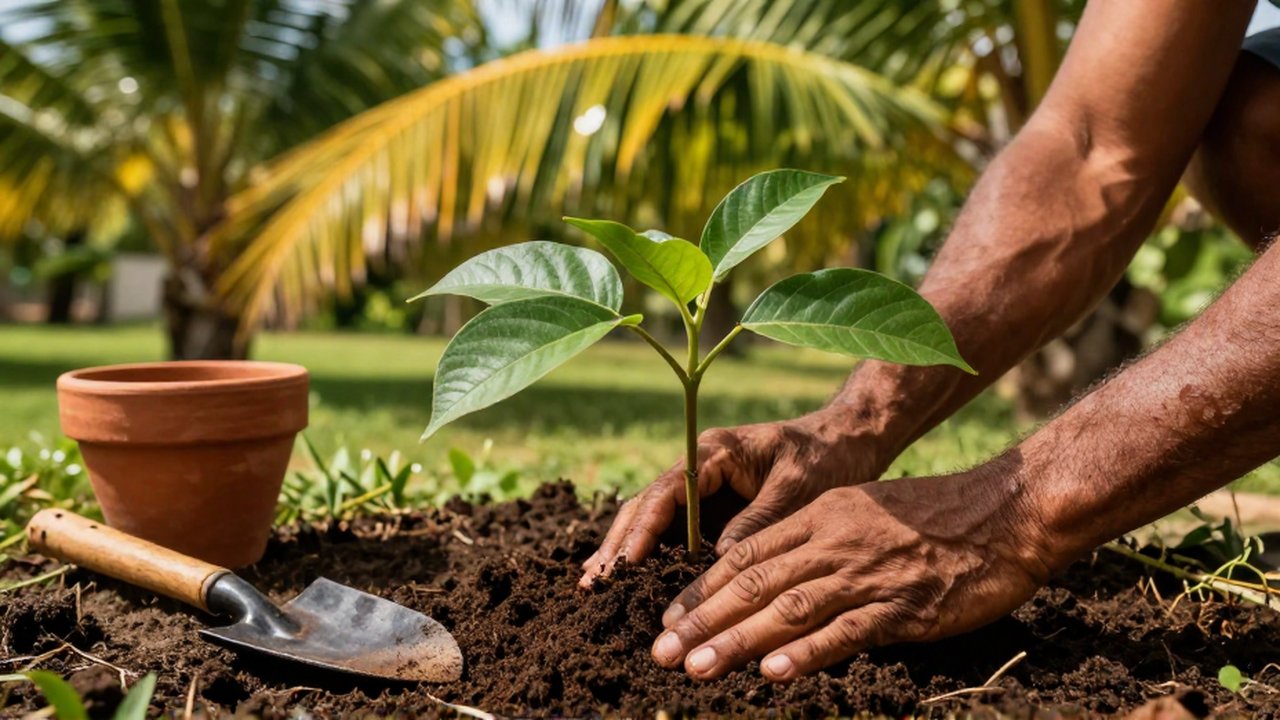
There are two primary ways to begin your guava journey: growing from seed or planting a grafted sapling. While growing from seed is a fascinating process, it can take several years for the tree to bear fruit, and the offspring may not be genetically identical to the parent. For those seeking quicker results and more predictable fruit quality, purchasing a grafted tree from a nursery is highly recommended.
When preparing to plant, follow these general steps:
- Site selection: Choose a sunny spot with excellent drainage.
- Digging the hole: Create a hole that is twice as wide as the root ball and just as deep. This allows the roots to spread easily into the surrounding loose soil.
- Soil amendment: Mix a small amount of organic compost into the native soil to provide an initial nutrient boost.
- Placement: Position the tree in the hole, ensuring the graft union (if applicable) is well above the soil line to prevent rot.
- Settling: Fill the hole with the soil mixture, tamping down lightly to remove large air pockets, and water thoroughly immediately after planting.
Watering and nutrition requirements
In the initial stages of growth, consistent moisture is vital. Young guava trees need regular watering to establish a robust root system. However, once the tree is mature and established, it becomes significantly more drought-tolerant. A common mistake is overwatering mature trees, which can dilute the flavor of the fruit or encourage disease.
For nutrition, guava trees benefit from a balanced fertilization program. It is best to apply fertilizer during the active growing seasons, typically in the spring and late summer. Using organic matter, such as compost or well-rotted manure, provides a slow-release source of nutrients that improves soil structure while feeding the tree. Avoid excessive nitrogen application during the fruiting season, as too much nitrogen can encourage leafy green growth at the expense of flower and fruit production.
Maintenance and pruning techniques
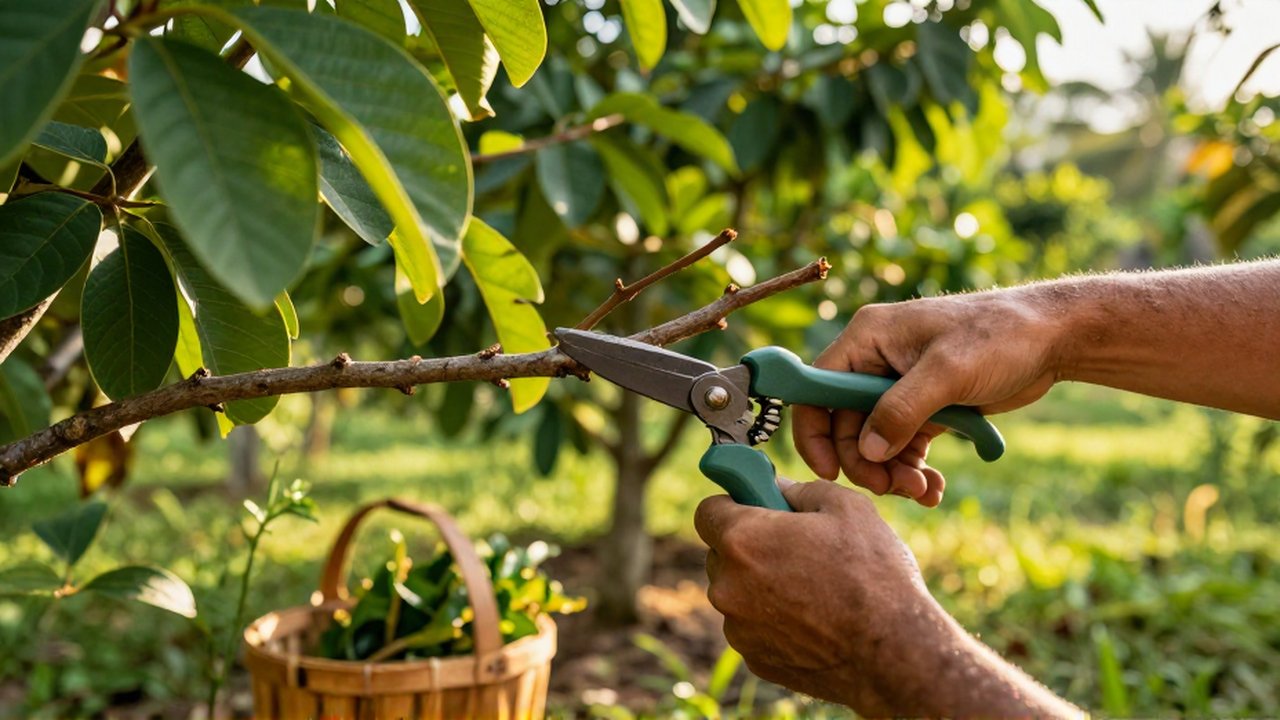
Pruning is a necessary practice to maintain the shape of the tree and encourage productivity. Because guava trees can grow quite vigorously, regular trimming helps manage the canopy size, making it easier to harvest fruit and manage the tree within your garden space.
Pruning serves several purposes: 1. Airflow: Removing dense interior branches improves air circulation, which reduces the risk of fungal infections. 2. Light penetration: Thinning the canopy allows sunlight to reach the inner branches, promoting more flower development. 3. Size control: Regular pruning prevents the tree from becoming too large for its intended location.
It is generally best to prune after the main harvest period or during a dormant phase to minimize stress on the tree. Always use clean, sharp tools to prevent the spread of pathogens through pruning wounds.
Common challenges and pest management
Even in ideal tropical climates, guava trees may face challenges from pests or environmental stressors. Common pests include fruit flies, which can pierce the skin of the ripening fruit, and scale insects, which may cling to the stems and leaves. Regularly inspecting the underside of leaves and the fruit itself can help you catch infestations early.
To manage these issues naturally, consider the following:
- Physical barriers: Using fine mesh bags to cover developing fruit can protect them from fruit flies.
- Cultural control: Removing fallen leaves and diseased fruit from the base of the tree helps minimize the presence of pests and pathogens.
- Biological balance: Maintaining a garden with diverse plant life encourages beneficial insects that prey on common guava pests.
Frequently asked questions
How long does it take for a guava tree to bear fruit? If you plant a grafted tree from a nursery, you may see fruit within one to three years. Trees grown from seeds typically take much longer, often several years, to reach maturity and produce fruit.
Can guava trees be grown in containers? Yes, certain dwarf varieties are well-suited for container gardening. If growing in a pot, ensure the container has ample drainage holes and use a high-quality potting mix to prevent soil compaction.
What is the best time of year to plant a guava tree? In tropical climates, planting can occur throughout much of the year. However, it is often best to plant at the beginning of the rainy season or during a period of mild temperatures to help the young plant establish itself.
Why are the leaves on my guava tree turning yellow? Yellowing leaves can be a sign of several issues, most commonly overwatering, poor drainage, or a nutrient deficiency (such as nitrogen or iron). Check the soil moisture levels and ensure the plant is not sitting in standing water.
Leave a Reply