Difference between Dominican honey and cane syrup

Introduction
In the culinary landscape of the Dominican Republic, sweetness is a fundamental element used to balance flavors in breakfast, desserts, and traditional beverages. Two of the most iconic sweeteners used across the island are honey and cane syrup. While both serve to provide sweetness, they arise from completely different biological processes and offer distinct sensory experiences that significantly influence the final outcome of a recipe.
Understanding the distinction between these two liquids is essential for anyone looking to master Dominican flavors. Honey is a natural product derived from floral nectar, whereas cane syrup—often referred to locally as melao—is a concentrated reduction of sugarcane juice. Knowing when to use one over the other, or how their textures and flavors interact with other ingredients, is the key to achieving authentic results in both home cooking and professional pastry work.
Origin and production processes
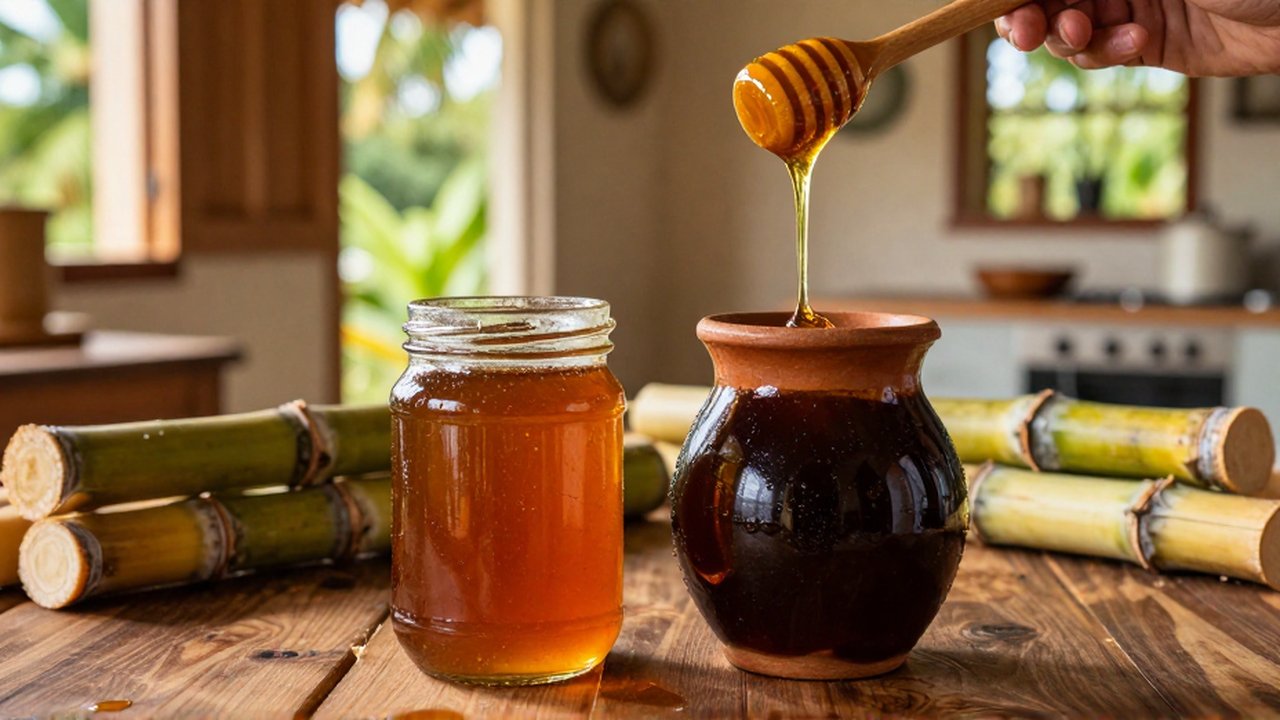
The most fundamental difference lies in how these substances are harvested and prepared. Dominican honey is a biological product created by honeybees. These bees collect nectar from various tropical flowers across the island, transform it through enzymatic processes within the hive, and store it in honeycombs. The resulting product is a direct reflection of the local flora; for instance, honey from a region rich in citrus blossoms will carry a different profile than honey from a more forested area.
Cane syrup, conversely, is an agricultural product derived from the sugarcane plant, which is a staple crop in the Dominican Republic. The process begins with extracting the raw juice from freshly crushed sugarcane stalks. This juice is then boiled in large vats for extended periods. As the water evaporates, the liquid thickens and darkens, concentrating the natural sugars into a dense, viscous syrup. Unlike honey, which is collected, cane syrup is manufactured through heat and evaporation.
Flavor profiles and aromatic qualities
When tasting these two sweeteners, the palate can easily distinguish their unique identities. Dominican honey tends to be more delicate and nuanced. Depending on the season and the specific nectar source, it can range from light and floral to deep, earthy, and slightly medicinal. It carries a complex bouquet of scents that can elevate a dish by adding an aromatic layer that goes beyond mere sweetness.
Cane syrup possesses a much more robust and "toasted" flavor profile. Because of the boiling process, it develops notes of caramel, molasses, and even a slight hint of smoke or bitterness. It is a heavy, intense sweetness that anchors a dish rather than decorating it. While honey provides a bright, floral lift, cane syrup provides a dark, rich, and grounding sweetness that is characteristic of traditional Dominican sweets.
Texture and culinary applications
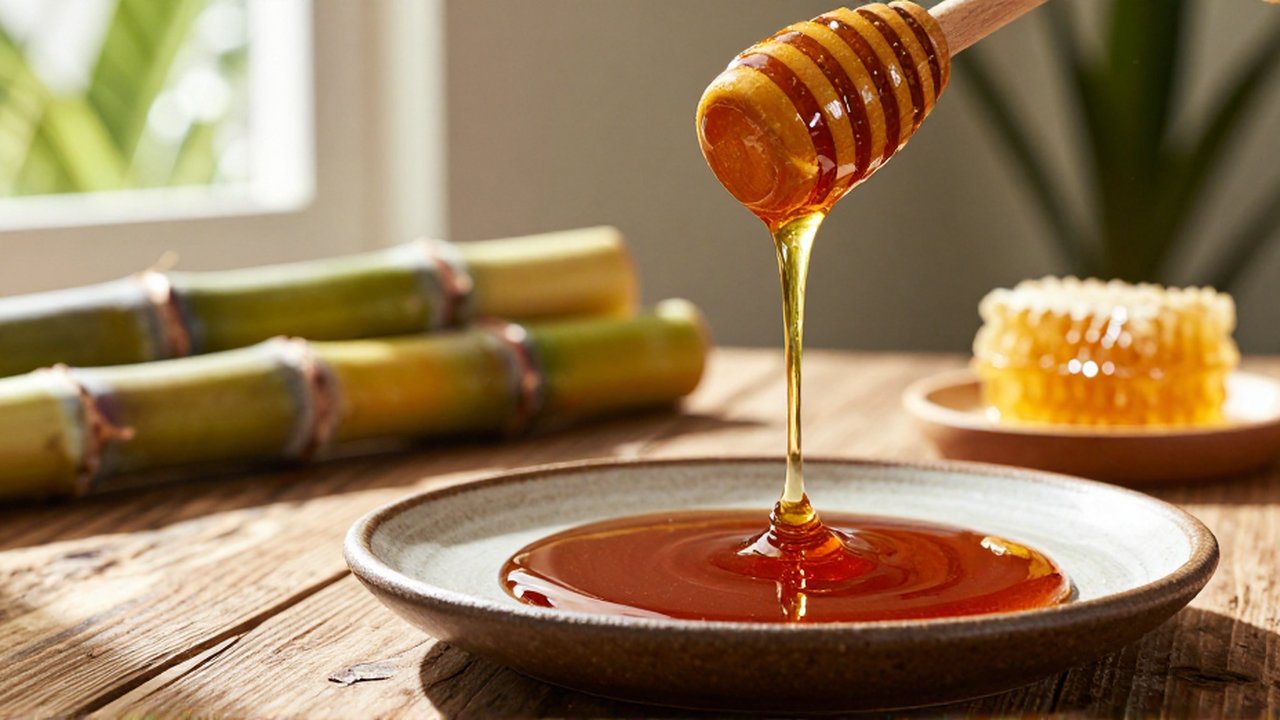
The physical consistency of these sweeteners dictates how they behave in various recipes. Honey is generally smoother and more fluid, though it can crystallize over time. It is an excellent choice for glazing fruits, sweetening tea, or incorporating into light dressings where a subtle sweetness is required. In baking, honey adds moisture and helps retain softness due to its hygroscopic nature.
Cane syrup is significantly thicker and more syrupy, often possessing a heavy, coating texture. It is the backbone of many traditional Dominican desserts and syrups used to soak pastries. Because of its high concentration, it is frequently used to make doughs that require a deep color or to create thick reductions for traditional treats.
| Feature | Dominican Honey | Cane Syrup (Melao) |
|---|---|---|
| Source | Floral nectar (Bees) | Sugarcane juice (Plants) |
| Flavor | Floral, light, varied | Caramel, molasses, intense |
| Color | Varies from gold to amber | Dark brown to black |
| Primary Use | Enhancing delicate flavors | Heavy desserts and reductions |
Choosing the right sweetener for your recipe
Deciding between honey and cane syrup depends on the intended sensory goal of your dish. If you are preparing a light breakfast, such as yogurt with tropical fruits, honey is the superior choice as it complements the freshness of the ingredients without overpowering them. It works beautifully in recipes where you want the natural flavors of the food to remain the protagonist.
If your goal is to create a traditional Dominican dessert that requires a deep, dark color and a heavy mouthfeel, cane syrup is indispensable. It is the ideal ingredient for soaking cakes or for creating the thick, dark glazes seen in local confections. Using honey in a recipe that calls for cane syrup may result in a dish that lacks the necessary depth of color and the characteristic "burnt sugar" undertone that defines many island classics.
Frequently asked questions
Can I substitute cane syrup with honey in a recipe? You can substitute them, but the result will change. Honey is generally sweeter and lighter; using it in place of cane syrup will result in a lighter color and a much more floral, less caramel-like flavor profile.
Does honey expire like other liquids? Pure honey is incredibly stable and does not typically expire if stored correctly. It may crystallize (turn solid), but this is a natural process and can be reversed by gently warming the honey.
Why is cane syrup so much darker than honey? The darkness of cane syrup is a result of the boiling and evaporation process, which caramelizes the natural sugars in the sugarcane juice. Honey's color is determined primarily by the type of flowers the bees visited.
Is one healthier than the other? Both are natural sweeteners, but they offer different nutritional benefits. Honey contains trace amounts of enzymes and antioxidants from pollen, while cane syrup is a concentrated source of energy derived from plant sugars. Both should be used in moderation as part of a balanced diet.
Leave a Reply