What are the symbols of Dominican national identity
Introduction
Dominican national identity is a complex and vibrant tapestry woven from historical struggles, diverse cultural influences, and a profound sense of pride. Understanding the symbols that represent the Dominican Republic is essential for anyone seeking to comprehend the soul of the nation, as these emblems go beyond mere decoration to signify sovereignty, resilience, and the shared heritage of its people. These symbols serve as a unifying force, connecting the Dominican diaspora to their roots and reinforcing a collective sense of belonging.
These identifiers are categorized into official state symbols and cultural expressions that define daily life. While the flag and the coat of arms represent the legal and political sovereignty of the country, the music, culinary traditions, and folklore represent the living, breathing essence of the Dominican spirit. Recognizing these elements allows for a deeper appreciation of how the Dominican Republic maintains its distinct character in a globalized world.
The official state symbols
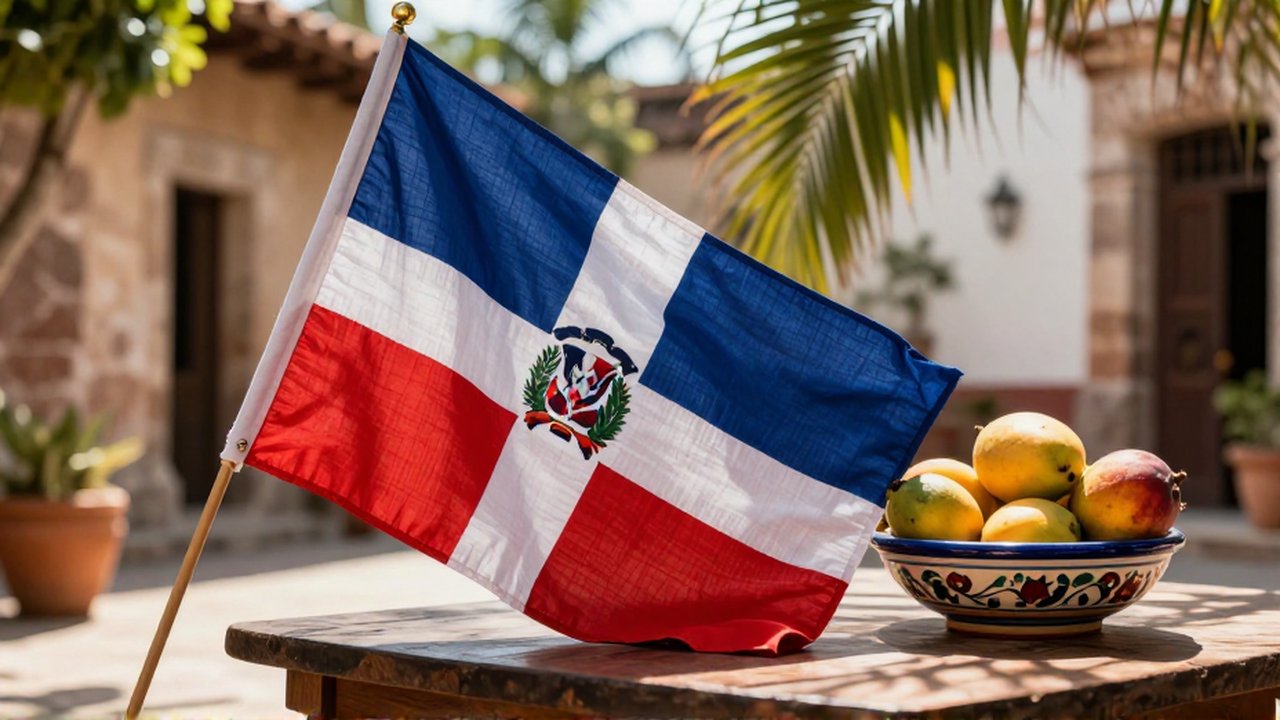
The formal identity of the Dominican Republic is codified through specific national symbols that are displayed during official ceremonies, in schools, and within government buildings. These symbols are the legal representations of the country's history and its values of freedom and independence.
The National Flag is perhaps the most recognizable symbol. It features a white cross that divides the flag into four rectangles: two blue and two red. In the center of the cross is the national Coat of Arms. The blue represents liberty, the red represents the blood shed by heroes, and the white symbolizes peace and unity.
The Coat of Arms is a detailed emblem that contains significant iconography. It includes a shield supported by a laurel branch and a palm branch, representing victory and peace. At the center, there is a Bible open to the Gospel of John, signifying the nation's Christian foundations. Above the shield, a blue ribbon carries the national motto: Dios, Patria, Libertad (God, Country, Liberty).
The National Anthem also serves as a primary pillar of state identity. It is a musical composition that evokes the history of the struggle for independence, serving to instill a sense of patriotism and duty among the citizens whenever it is performed.
Cultural and folkloric representations
Beyond the official emblems of the state, the true heartbeat of Dominican identity is found in its folklore and cultural practices. These symbols are not found in government buildings, but in the streets, the kitchens, and the musical rhythms of the island.
Music and dance are arguably the most powerful cultural ambassadors of the Dominican Republic. Genres such as Merengue and Bachata are much more than musical styles; they are rhythmic expressions of the nation's history and social fabric. Merengue, characterized by its fast tempo and specific instrumentation (accordion, güira, and tambora), is a symbol of joy and communal celebration.
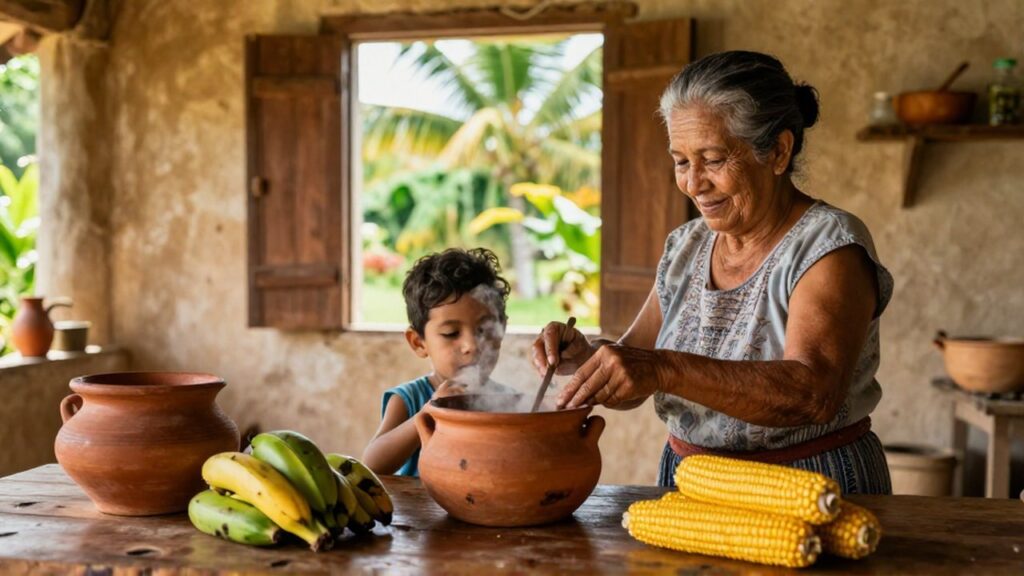
The culinary traditions also act as a profound symbol of identity. Dominican food is a blend of Taíno, African, and Spanish influences. Dishes such as La Bandera Dominicana (the traditional lunch consisting of rice, beans, and meat) are more than just meals; they are a daily ritual that connects every Dominican to their culinary heritage.
Natural symbols and the landscape
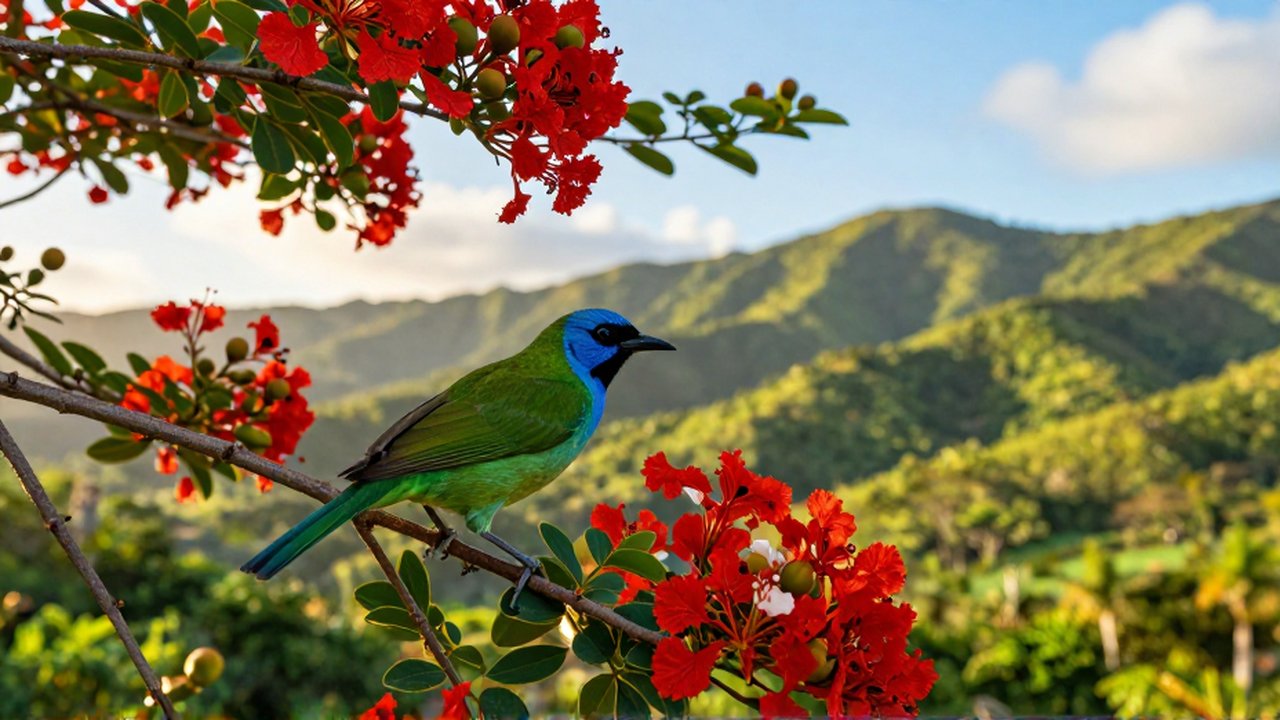
The physical environment of the island provides additional symbols that resonate with the national consciousness. The diverse landscape, ranging from tropical beaches to high mountain ranges, shapes the lifestyle and the temperament of the people.
The Palm Tree is a frequent natural motif in Dominican art and literature, symbolizing the tropical nature of the Caribbean and the resilience of life in a maritime climate. Furthermore, the various endemic flora and fauna serve as quiet reminders of the country's unique biological importance.
| Category | Examples | Significance |
|---|---|---|
| State Symbols | Flag, Coat of Arms, Anthem | Sovereignty and Law |
| Cultural Symbols | Merengue, Bachata, Gastronomy | Heritage and Daily Life |
| Natural Symbols | Tropical flora, coastal landscapes | Geography and Environment |
Frequently asked questions
What is the motto of the Dominican Republic? The national motto is "Dios, Patria, Libertad," which translates to "God, Country, Liberty." It is featured prominently on the national Coat of Arms.
How is the Dominican identity reflected in its music? Identity is reflected through rhythms like Merengue and Bachata, which blend various cultural influences into unique sounds that represent the history and social dynamics of the Dominican people.
What role does food play in Dominican identity? Food is a central pillar of cultural identity, acting as a bridge between generations and a tangible connection to the nation's diverse historical roots through traditional recipes and ingredients.
Are there specific natural symbols in the country? While not always official state symbols, elements of the tropical landscape, such as palm trees and the Caribbean sea, are deeply ingrained in the cultural imagery and identity of the nation.
Leave a Reply