How does the Dominican diaspora preserve food identity
Introduction
Food serves as a powerful vessel for cultural memory, acting as a bridge between a person’s current surroundings and their ancestral roots. For the Dominican diaspora, maintaining culinary traditions is not merely about nutrition; it is a deliberate act of preserving identity in a foreign landscape. By recreating the flavors of the island, displaced communities keep their history alive and pass essential cultural values to younger generations.
Understanding how these culinary practices are maintained helps shed light on the resilience of Dominican heritage. Whether living in New York, Madrid, or Miami, the effort to source specific ingredients and master traditional techniques serves to combat the feeling of displacement. This process ensures that even as the diaspora integrates into new societies, the "sabor" of the Dominican Republic remains an unshakeable cornerstone of their communal life.
The role of traditional recipes in cultural continuity
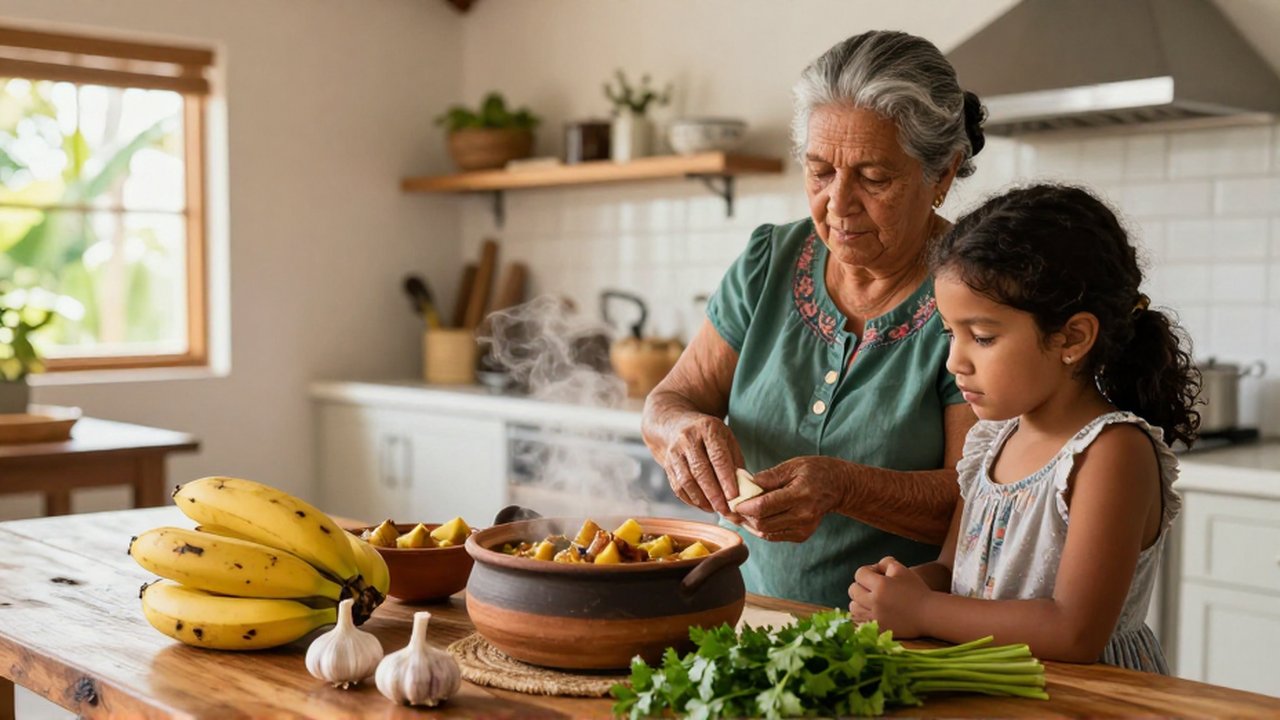
For many Dominicans living abroad, the kitchen becomes a sacred space where history is reenacted. Traditional recipes, such as La Bandera Dominicana (the national dish consisting of rice, beans, and meat), serve as a rhythmic connection to the homeland. These meals are more than just sustenance; they are rituals that signal comfort, family unity, and a sense of belonging.
The preservation of these recipes often occurs through oral tradition. Grandparents and parents pass down the "secret" proportions of spices or the specific way to sauté sofrito to their children and grandchildren. This transmission of knowledge ensures that the nuances of Dominican cooking—the balance of acidity, salt, and aromatics—are not lost to time or assimilation. Even when ingredients change, the fundamental logic of the recipe remains a guidepost for cultural identity.
Challenges of sourcing authentic ingredients abroad
One of the most significant hurdles for the diaspora is the availability of specific tropical staples. Authentic Dominican cuisine relies heavily on ingredients that may not be readily available in standard local supermarkets. To maintain the integrity of their dishes, members of the diaspora often engage in specific behaviors:
- Ethnic Markets: Seeking out specialized Caribbean or Latin American grocery stores to find plantains (plátanos), yuca, and specific varieties of peppers.
- Import Logistics: Relying on shipments of dried goods, specific brands of seasonings, or even coffee from the island.
- Substitution Strategies: Learning to adapt recipes when a particular herb or vegetable is unavailable, such as using different types of tubers when local varieties differ from those in the Dominican Republic.
While substitutions are sometimes necessary, the effort to find the "real thing" is a testament to the importance placed on flavor authenticity. The search for a specific type of avocado or the perfect dried chili becomes a quest for a sensory connection to the island.
Culinary adaptation and the evolution of flavor
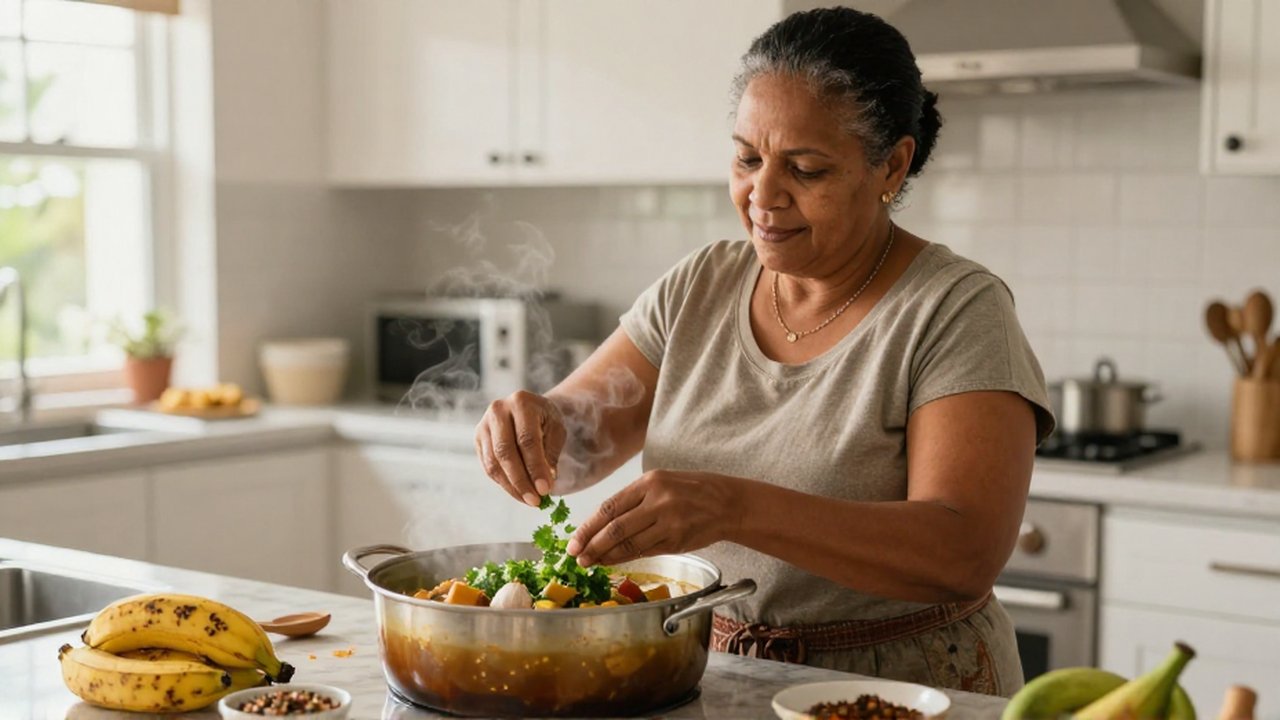
As the diaspora settles into new environments, food identity undergoes a natural process of evolution. This does not mean the identity is being lost; rather, it is being adapted to a modern, globalized context. This evolution typically manifests in two ways:
Creative Integration Dominican immigrants often fuse traditional flavors with the culinary trends of their host countries. This might involve using local proteins in traditional stews or incorporating new cooking technologies that change the texture of classic dishes.
The Rise of Dominican Gastronomy The diaspora has also been instrumental in elevating Dominican food from "home cooking" to recognized cuisine. By opening restaurants in major international cities, Dominicans share their identity with the wider world, turning traditional meals into a form of cultural diplomacy.
| Aspect | Traditional Method | Diaspora Adaptation |
|---|---|---|
| Ingredient Sourcing | Local markets and home gardens | Ethnic specialty stores and imports |
| Cooking Style | Strictly ancestral techniques | Fusion of local and traditional methods |
| Purpose | Daily sustenance and family ritual | Identity preservation and cultural outreach |
Strengthening community through shared meals
Food acts as a social glue within diaspora communities. Large gatherings, religious celebrations, and family reunions almost always revolve around a communal table. In these settings, the act of eating together reinforces social bonds and provides a platform for the Spanish language and Dominican customs to flourish.
When a community gathers to share a large pot of sancocho (a hearty meat and vegetable stew), they are participating in a collective act of remembrance. These meals create a "sensory home" that mitigates the loneliness often felt in migration. For the younger generation, these communal dining experiences are perhaps the most effective way to learn the social etiquette and values that define Dominican culture.
Frequently asked questions
Why is food so important to Dominican identity? Food carries the history, geography, and social structures of the Dominican Republic. For those living abroad, it is one of the most accessible ways to maintain a tangible connection to their heritage and family roots.
How do people maintain authenticity when ingredients are missing? The diaspora often uses a combination of specialized ethnic markets, international shipping, and clever culinary substitutions to mimic the flavors of home while respecting the essence of the original dish.
Does the food change when it moves to another country? Yes, culinary traditions are living things. While the core identity remains, many families adapt recipes based on local availability and the culinary influences of their new environment, leading to a unique "diaspora style."
Can cooking help younger generations connect to their culture? Absolutely. Participating in the preparation and consumption of traditional meals allows younger people to experience their culture through all five senses, making the connection more profound than just reading about it in books.
Leave a Reply