
Comparison between different types of sweet melons
Introduction
Melons are essential components of the tropical and subtropical diet, offering a refreshing source of hydration, vitamins, and natural sugars. Understanding the various types of sweet melons is crucial for anyone looking to enhance their culinary experiences, whether they are preparing a light summer salad, a refreshing beverage, or a sophisticated dessert. Because each variety possesses a unique profile of texture, aroma, and sweetness, choosing the right one can significantly alter the outcome of a recipe.
This comparison aims to guide readers through the most common melon varieties found in markets and tropical regions. By examining their physical characteristics and flavor profiles, you can make informed decisions based on your specific needs. Whether you are seeking a crunchy, mild fruit for snacking or a soft, intensely fragrant melon for a gourmet dish, knowing these differences will help you select the highest quality produce every time you shop.
Characteristics of common melon varieties
When navigating the produce aisle, it is helpful to categorize melons by their skin texture and flesh consistency. The most prevalent varieties include cantaloupe, honeydew, and watermelon, though others like muskmelon offer distinct nuances.
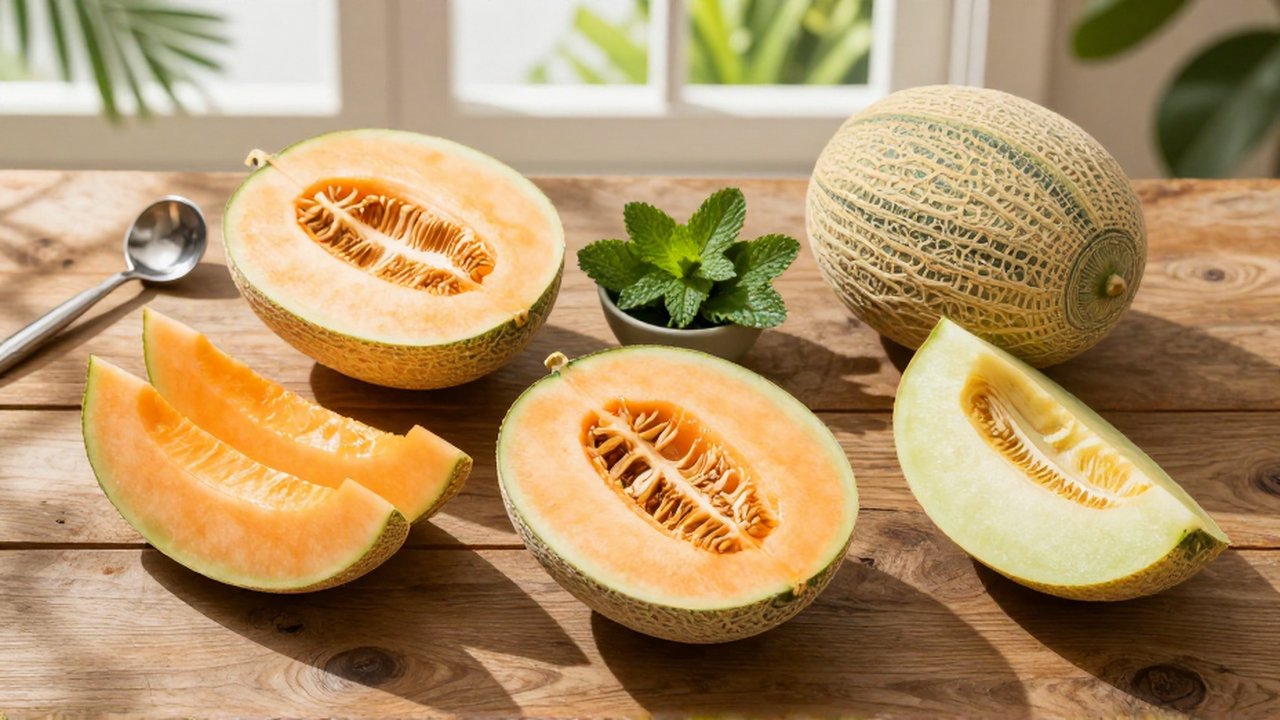
Cantaloupe is perhaps the most recognizable variety due to its netted, tan rind. The flesh is typically a deep orange color, which indicates a high concentration of beta-carotene. Cantaloupes are prized for their intense, musky aroma and a sweet, juicy flavor that is slightly more complex than other melons.
Honeydew offers a sharp contrast with its smooth, pale green rind and light green or white flesh. Unlike the aromatic cantaloupe, honeydew tends to have a more subtle, delicate sweetness. It is highly valued for its smooth, almost creamy texture, making it an excellent choice for cooling refreshments.
Watermelon stands in a category of its own due to its massive size and high water content. While it lacks the "musky" profile of the others, it provides a crisp, refreshing crunch and a clean sweetness. It is the quintessential fruit for hydration in hot climates.
Flavor profiles and texture differences
Selecting a melon requires an understanding of how the fruit feels in the mouth and how the sweetness lingers on the palate. A summary of these differences can be found in the following table:
| Melon Type | Primary Flavor | Texture | Best Usage |
|---|---|---|---|
| Cantaloupe | Musky and sweet | Soft and juicy | Salads and fruit platters |
| Honeydew | Mild and subtle | Smooth and creamy | Smoothies and chilled snacks |
| Watermelon | Refreshing and light | Crisp and granular | Hydration and juices |
| Muskmelon | Rich and honey-like | Tender | Gourmet desserts |
Cantaloupes are best when you want the fruit to be the "star" of a dish because of their dominant scent. Honeydew is better suited as a supporting element, such as being paired with salty ingredients like prosciutto to balance its mildness. Watermelon is ideal when the primary goal is to combat thirst and provide a light, easy-to-digest snack.
Criteria for selecting ripe melons
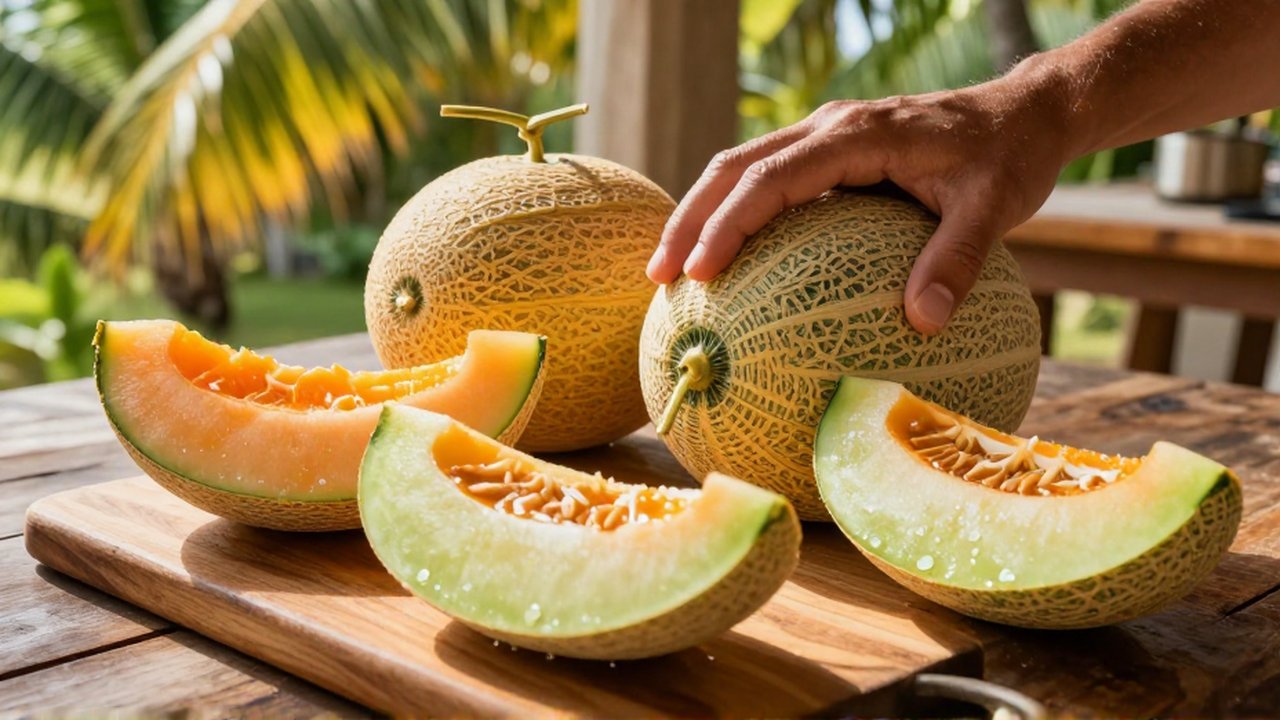
One of the most frequent mistakes in fruit selection is choosing a melon based solely on appearance without checking for maturity indicators. Because melons do not continue to ripen significantly once harvested, picking a mature fruit is vital.
To select a high-quality cantaloupe, look for a heavy fruit with a strong, sweet scent near the stem end. The netting on the rind should be prominent and well-defined. If it has no scent, it is likely underripe; if it smells fermented, it is overripe.
For honeydew, look for a heavy melon with a smooth, creamy rind. The skin should feel firm but not rock-hard. A subtle sweetness in the aroma is a good sign of readiness.
When choosing watermelon, the "field spot" is the most reliable indicator. This is the pale, yellowish area where the melon rested on the ground. A white or greenish spot indicates the melon was picked too early, while a creamy yellow spot suggests peak sweetness. Additionally, a ripe watermelon should sound hollow when lightly tapped, indicating a high water content.
Frequently asked questions
Which melon has the highest water content? Watermelon is the variety with the highest water content, making it the most effective choice for hydration during hot weather.
Can I freeze melon for later use? Yes, most melons can be frozen. It is best to cut them into small cubes and freeze them on a tray before transferring them to a bag to prevent clumping. This is ideal for smoothies.
How should I store melons to keep them fresh? Once a melon is whole and uncut, it can be stored at room temperature if it is not yet fully ripe. Once cut, all melons must be refrigerated in airtight containers to maintain freshness and prevent spoilage.
Why is my cantaloupe not sweet? A lack of sweetness usually means the melon was harvested before it reached full maturity. Since most commercial melons are picked early to survive transport, always check for a strong aroma before purchasing.
Leave a Reply