
A guide to using local pineapple in tropical recipes

Introduction
In the Caribbean, specifically within the Dominican Republic, the pineapple is more than just a fruit; it is a cornerstone of tropical gastronomy. Known for its vibrant acidity and intense sweetness, this fruit serves as a versatile ingredient that can transform a simple dish into an exotic culinary experience. Understanding how to work with local pineapple is essential for anyone looking to master authentic tropical flavors in both sweet and savory preparations.
Using local pineapple correctly allows cooks to balance flavors, tenderize meats, and add refreshing textures to desserts and beverages. Whether you are preparing a traditional fruit salad, a glazed roast, or a chilled tropical juice, the fruit's unique enzymatic properties and sugar content play a decisive role in the success of the recipe. This guide provides the necessary insights to handle this tropical treasure with professional ease.
Characteristics of local pineapple
The quality of a tropical recipe depends heavily on the ripeness and variety of the fruit used. Local pineapples grown in tropical climates often possess a higher concentration of natural sugars and a more pronounced aroma compared to those transported over long distances. When selecting a pineapple for cooking, look for a fruit that feels heavy for its size, indicating high juice content, and has a skin that is golden in color rather than dull green.
The flavor profile of a ripe pineapple is a delicate balance between citric acid and fructose. This characteristic makes it a powerful tool in the kitchen. In savory contexts, the acidity cuts through the richness of fats, while in desserts, it provides a bright counterpoint to heavy creams or sugars. It is important to note that as the fruit ripens, its acidity slightly decreases, making it sweeter and more suitable for direct consumption or light syrups.
Techniques for savory applications
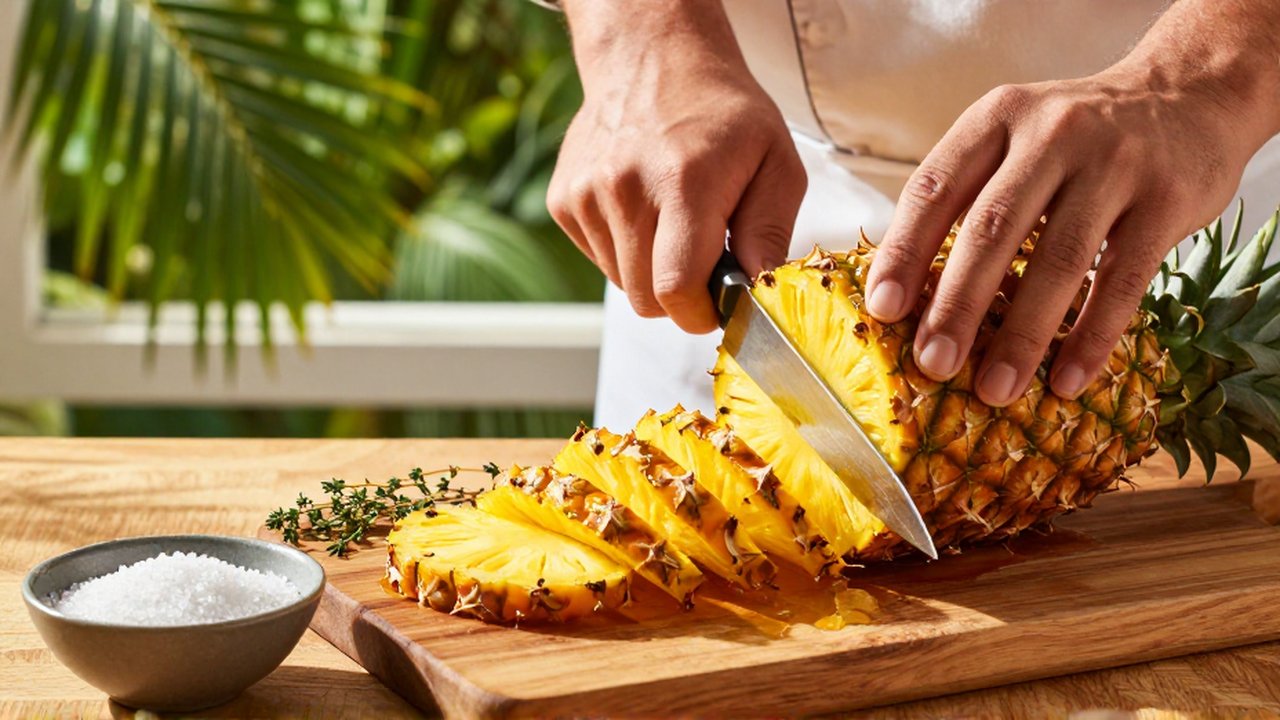
One of the most sophisticated ways to use pineapple is as a natural tenderizer for meats. Pineapple contains an enzyme called bromelain, which breaks down proteins. This makes it an excellent addition to marinades for pork, chicken, or seafood. However, caution is required: if the meat is left in a pineapple-based marinade for too long, the texture can become mushy due to over-processing by the enzymes.
To use pineapple effectively in savory dishes, consider the following methods:
- Glazing: Slicing the fruit into rounds or chunks and simmering them with a bit of brown sugar or honey helps create a thick, glossy coating for roasted meats.
- Salsas: Dicing fresh pineapple with red onions, cilantro, and lime juice creates a bright topping that balances fatty fish or grilled meats.
- Stews and Curries: Adding pineapple chunks toward the end of the cooking process provides bursts of sweetness that contrast with spicy or salty elements.
Creative uses in sweet recipes
In the realm of desserts, pineapple is an unrivaled star. Its ability to hold its shape when cooked makes it ideal for various traditional tropical preparations. Because the fruit is naturally hydrating, it can be used to create refreshing sorbets, chilled compotes, or even infused into creams.
For a classic tropical dessert, try poaching the pineapple slices in a light syrup infused with cinnamon or vanilla. This method softens the fibrous texture and concentrates the sugars. Alternatively, finely chopped pineapple can be incorporated into cake batters or used as a topping for coconut-based puddings. The key is to manage the moisture content; if using fresh pineapple in baked goods, draining excess juice can prevent the batter from becoming too heavy or soggy.
Essential tips for preparation and storage
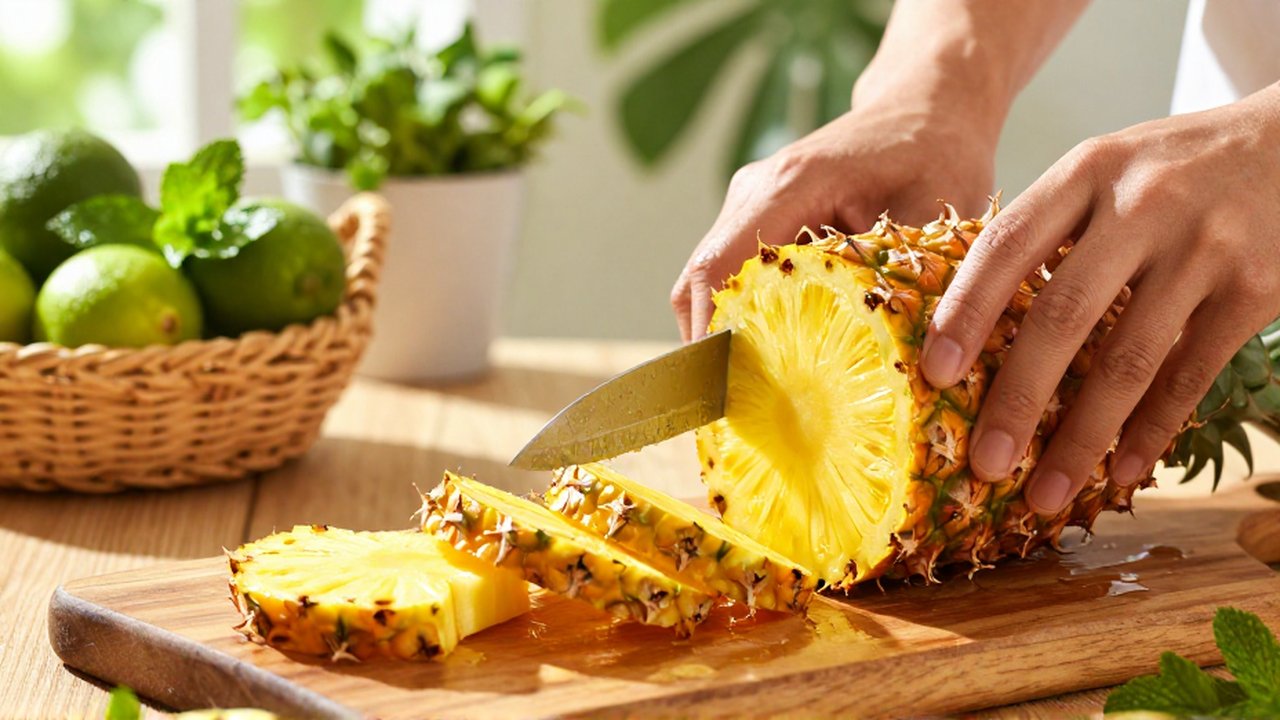
Proper handling ensures that the fruit maintains its structural integrity and flavor. When peeling a pineapple, it is vital to remove the "eyes" and the tough core if you are using it in delicate preparations like salads or juices. For more rustic dishes, like stews, the core can be left in to provide extra fiber and texture.
To maintain freshness:
- Storage: Once cut, pineapple should be stored in an airtight container in the refrigerator. It stays optimal for about three to five days.
- Freezing: For smoothies or granitas, pineapple chunks can be frozen. This preserves the acidity and provides a frosty texture once blended.
- Waste Reduction: Do not discard the skins immediately; they can be boiled with water and sugar to create a fragrant tropical infusion or syrup.
Common mistakes to avoid
The most frequent error in using pineapple is ignoring the impact of bromelain on texture. As mentioned, over-marinating meat will ruin the dish. Another mistake is using underripe fruit in recipes that require sweetness; underripe pineapple can be overly astringent and may fail to caramelize properly in the oven.
Furthermore, when making juices or smoothies, avoid adding excessive refined sugar initially. The natural sweetness of a high-quality local pineapple is often sufficient, and adding too much can mask the complex tropical notes that make the fruit special.
Frequently asked questions
How can I tell if a pineapple is ripe enough for eating? A ripe pineapple should have a sweet, fragrant aroma at the base and a skin that is mostly yellow or golden. Give it a gentle squeeze; it should have a slight give but not feel soft or bruised.
Can I use canned pineapple instead of fresh? While canned pineapple is convenient, it lacks the vibrant acidity and fresh enzyme activity of local fruit. For savory marinades, fresh is always superior. For simple desserts, canned pineapple can work if you account for the added syrup.
Why does my meat turn mushy when marinated in pineapple? This is caused by the enzyme bromelain breaking down the muscle fibers too aggressively. To prevent this, limit marinating time to 30–60 minutes for most meats.
Is it better to use the core of the pineapple? The core is edible and very nutritious, but it is much tougher and more fibrous than the flesh. It is best suited for juicing, blending into smoothies, or finely chopping into cooked stews rather than serving in fresh fruit salads.
Leave a Reply