
Benefits of using fresh oregano in Caribbean recipes

Introduction
Oregano is a fundamental pillar of Caribbean culinary identity, acting as a bridge between raw ingredients and complex, aromatic flavors. While many cooks rely on dried versions, fresh oregano offers a distinct profile that is essential for authentic Dominican and wider Caribbean cooking. It is used to season meats, marinate poultry, and infuse stews with a bright, herbal nuance that dried herbs simply cannot replicate.
Understanding the role of fresh oregano is vital for anyone looking to master tropical flavors. Using the fresh leaves allows for a more nuanced application of flavor, as the volatile oils are more potent and provide a "green," citrusy undertone. This herb is most appropriate when preparing slow-cooked dishes or marinades where the flavor needs to penetrate deep into the protein, ensuring a balanced and soulful meal.
Flavor profile of fresh versus dried oregano
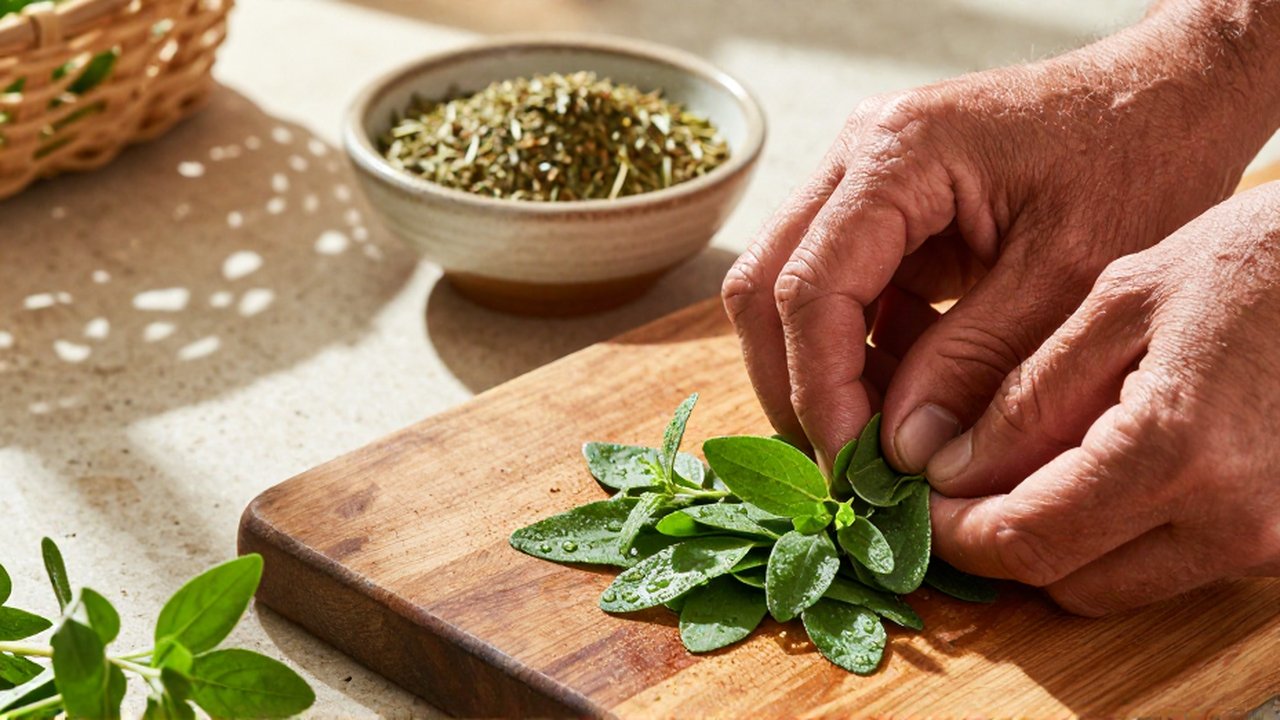
The primary difference between fresh and dried oregano lies in the intensity and the specific olfactory notes released during cooking. Fresh oregano leaves contain a higher moisture content and more delicate essential oils, which translate to a flavor that is bright, slightly peppery, and subtly floral. In Caribbean cuisine, this freshness is what distinguishes a home-cooked meal from a processed one.
When oregano is dried, the flavor becomes more concentrated, earthy, and pungent. While dried oregano is excellent for long-simmering sauces or baked goods, fresh oregano provides a "lift" to a dish. When you strip the leaves from the stem and bruise them slightly before adding them to a pot, you release those oils immediately, creating an aroma that permeates the entire kitchen. This makes it an indispensable tool for seasoning sancocho (hearty stews) or creating the base for pollo guisado (stewed chicken).
Culinary applications in Caribbean cooking
Fresh oregano is versatile and serves multiple roles throughout the cooking process. It is rarely used as a standalone garnish, but rather as a foundational seasoning that works in tandem with garlic, onion, and bell peppers—the classic sofrito base.
Common uses include:
- Marinades for meats: Rubbing chopped fresh oregano onto pork, chicken, or beef before seasoning with salt and lime helps tenderize the meat and infuses it with deep flavor.
- Stews and soups: Adding fresh sprigs or chopped leaves to boiling stocks creates a layered complexity that supports heavy ingredients like tubers and root vegetables.
- Rice dishes: Incorporating oregano into the water used to cook rice can elevate a simple side dish into something much more aromatic.
- Oils and infusions: Fresh leaves can be steeped in olive or vegetable oil to create a fragrant base for sautéing vegetables.
Nutritional and aromatic advantages
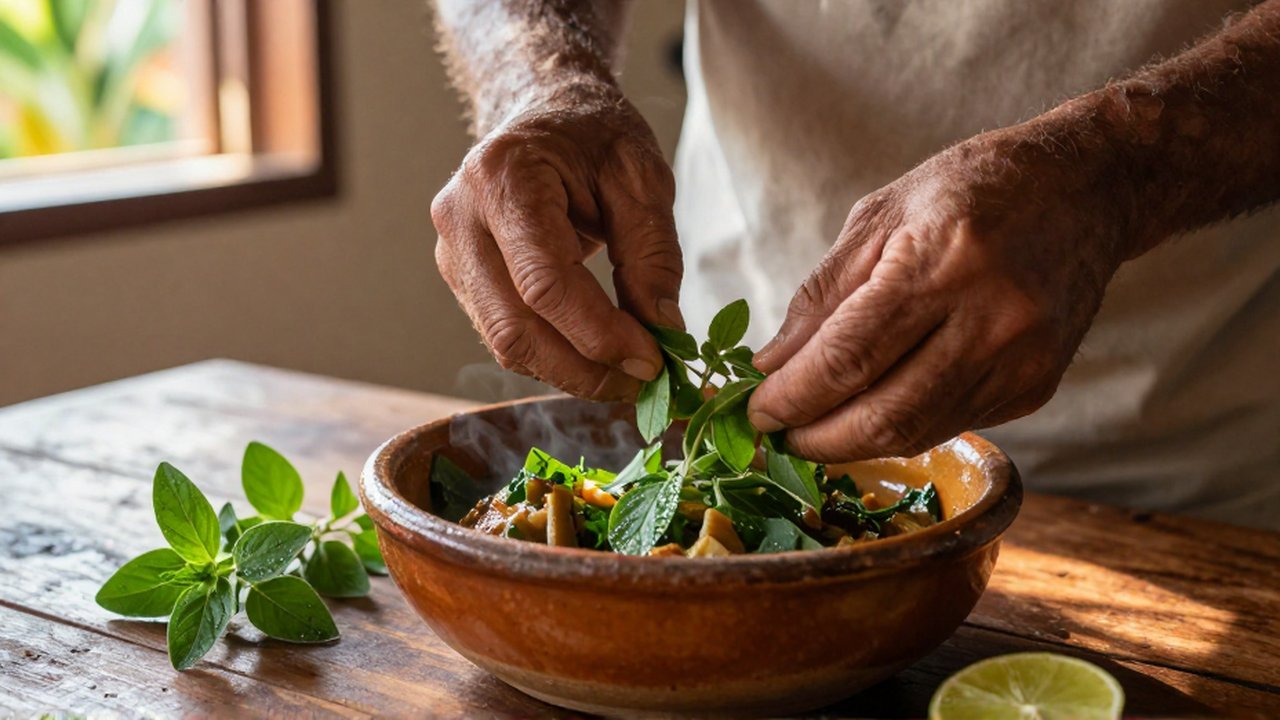
Using fresh herbs like oregano provides a more direct way to utilize the plant's natural properties. Because the leaves are used in their whole or freshly chopped state, you are consuming the plant in its most potent form. The essential oils, such as carvacrol, are more readily available in the fresh leaf, contributing to the herb's characteristic scent and taste.
From a culinary perspective, the advantage is the ability to control the "greenness" of the dish. If a recipe calls for a subtle hint of herb, fresh leaves can be added toward the end of the cooking process. If a deep, integrated flavor is desired, they can be added at the beginning. This flexibility allows a cook to fine-tune the balance of a dish, ensuring the oregano enhances rather than overwhelms the other Caribbean spices.
Tips for handling and storing fresh oregano
To maximize the benefits of fresh oregano, proper handling is required to prevent wilting and loss of flavor. Because the leaves are delicate, they should be treated with care to preserve the essential oils that provide their signature aroma.
| Action | Method | Benefit |
|---|---|---|
| Harvesting | Pluck leaves from the stem just before use. | Ensures maximum oil retention. |
| Cleaning | Rinse gently in cool water and pat dry thoroughly. | Removes debris without bruising the leaf. |
| Storage (Short term) | Wrap in a damp paper towel and place in a reusable bag. | Keeps leaves hydrated and crisp. |
| Storage (Long term) | Chop and freeze in ice cube trays with a little oil. | Preserves flavor for later use in stews. |
A frequent mistake is using too much dried oregano as a substitute for fresh, which can lead to a bitter or "dusty" taste. When substituting, remember that a small amount of dried oregano is much stronger than a large amount of fresh; usually, a 1:3 ratio is a good starting point for experimentation.
Frequently asked questions
Can I use Mediterranean oregano in Caribbean recipes? While Mediterranean oregano is similar, Caribbean recipes often benefit from the slightly different profiles of tropical oregano varieties, which may be more pungent or citrusy. However, Mediterranean oregano is a functional substitute if fresh local varieties are unavailable.
Should I remove the stems before cooking? For stews, you can leave the sprigs whole to infuse the broth and then remove them before serving. For marinades or rice, it is better to strip the leaves from the stems and chop them finely to ensure even distribution of flavor.
How do I know if my fresh oregano is still good? Fresh oregano should have a strong, pleasant aroma and a firm, slightly waxy texture. If the leaves appear slimy, turn dark brown/black, or have lost their scent, they should be discarded.
Does fresh oregano lose flavor if cooked for a long time? If added at the very beginning of a long simmer, the subtle "bright" notes may mellow, but the foundational herbal flavor will integrate deeply into the dish. To keep the flavor bright, add a portion of fresh leaves at the beginning and a small amount of freshly chopped leaves right before serving.
Leave a Reply