
Comparing passion fruit varieties in the Caribbean
Introduction
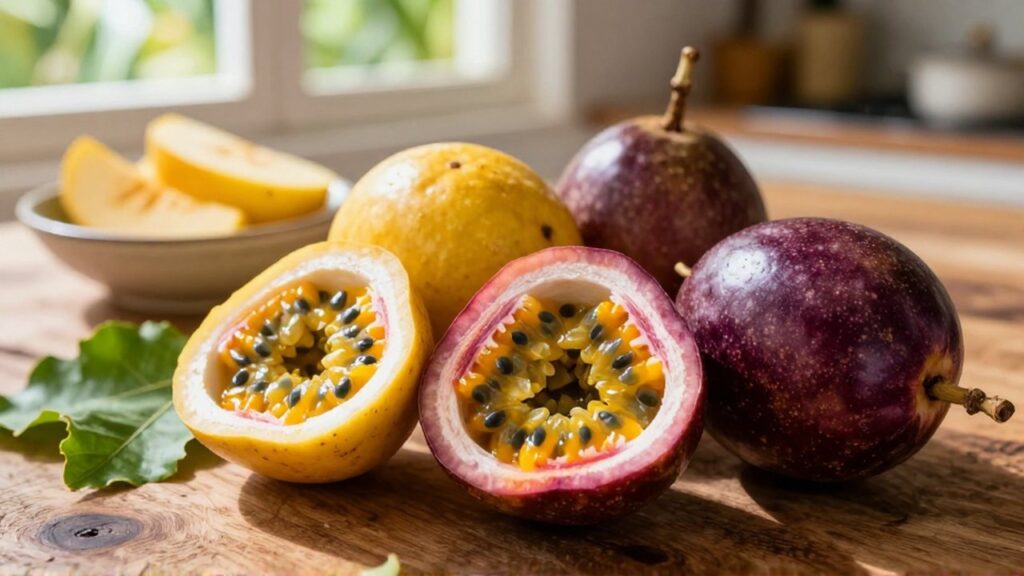
Passion fruit, known locally in the Caribbean as parcha or maracuyá, is a cornerstone of tropical fruit culture. This exotic fruit is prized for its intense aromatic profile and its high acidity, which makes it a versatile ingredient in juices, desserts, and culinary sauces. Understanding the different varieties available in the Caribbean is essential for both home cooks and enthusiasts who want to match the specific flavor profile of the fruit to their intended use.
The Caribbean landscape offers a unique microclimate that supports several distinct types of passion fruit. While they all belong to the Passiflora edulis family, they differ significantly in skin texture, size, pulp intensity, and sweetness levels. Knowing these differences allows you to choose the right fruit for a refreshing midday juice versus a rich, creamy mousse or a gourmet fruit reduction.
Differences between yellow and purple passion fruit
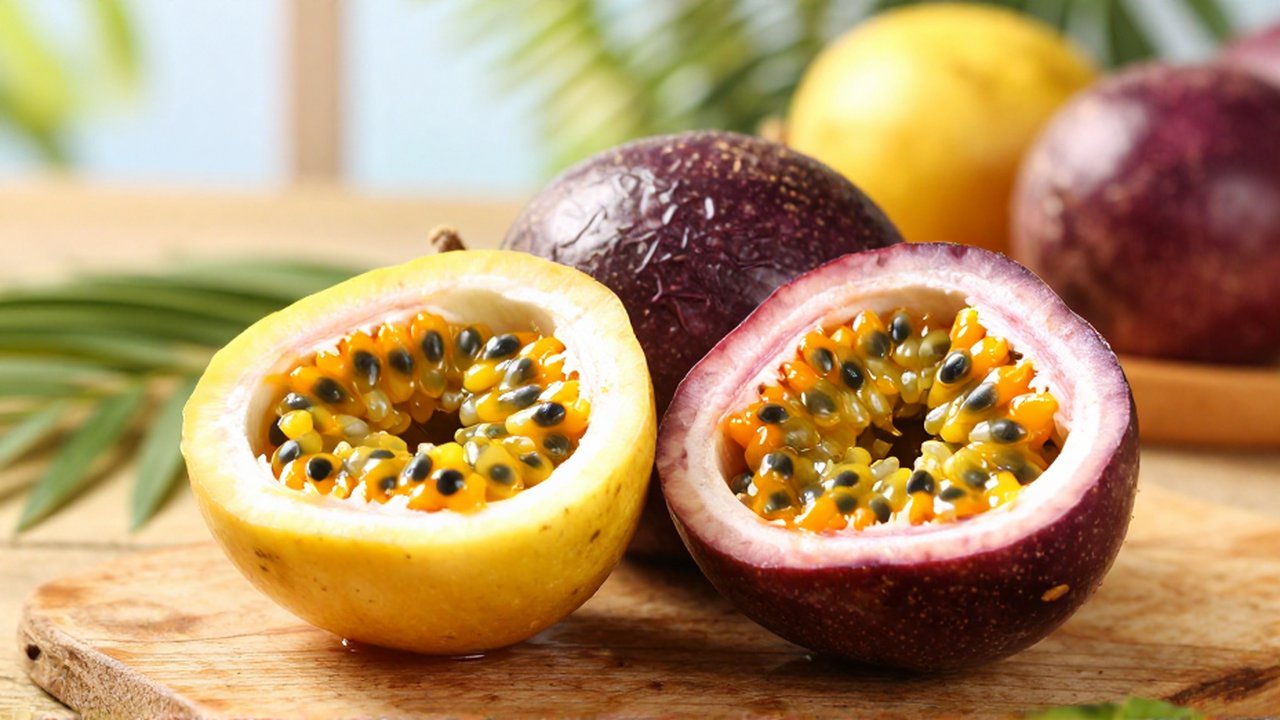
The most common comparison in Caribbean markets is between the yellow passion fruit and the purple passion fruit. While they may look similar to the untrained eye, their culinary applications and sensory profiles are quite distinct.
The yellow passion fruit (Passiflora edulis f. flavicarpa) is typically larger and possesses a smooth, bright yellow skin. This variety is renowned for its high acidity and much more aggressive, pungent aroma. Because of its sharp tang, it is the preferred choice for making large quantities of juice or syrups where a strong "kick" is desired. It is also frequently used in industrial food production due to its robust flavor that holds up well when processed.
In contrast, the purple passion fruit (Passiflora edulis) is generally smaller and features a darker, more textured skin. The flavor profile of the purple variety is notably sweeter and more delicate than its yellow counterpart. The acidity is more balanced, making it an excellent choice for eating fresh or using in delicate desserts like panna cotta or fruit salads. If you are looking for a sophisticated, aromatic experience without overwhelming the palate, the purple variety is usually the superior option.
Characteristics of regional varieties
Beyond the standard yellow and purple types, the Caribbean's biodiversity allows for variations that depend on local cultivation and specific subspecies. These variations can be categorized by their physical traits and how they behave in tropical heat.
| Feature | Yellow Variety | Purple Variety |
|---|---|---|
| Skin Color | Bright Yellow | Deep Purple/Violet |
| Size | Large | Small to Medium |
| Flavor Profile | Highly Acidic & Intense | Sweet & Aromatic |
| Best Use | Juices, Syrups, Sorbet | Fresh eating, Creams, Sauces |
| Pulp Volume | High | Moderate |
In many Caribbean islands, you may encounter "hybrid" characteristics where the sweetness of the purple variety meets the larger size of the yellow. These local variations often depend on the soil quality and the amount of rainfall the vines receive during the growing season.
Criteria for selecting the best fruit
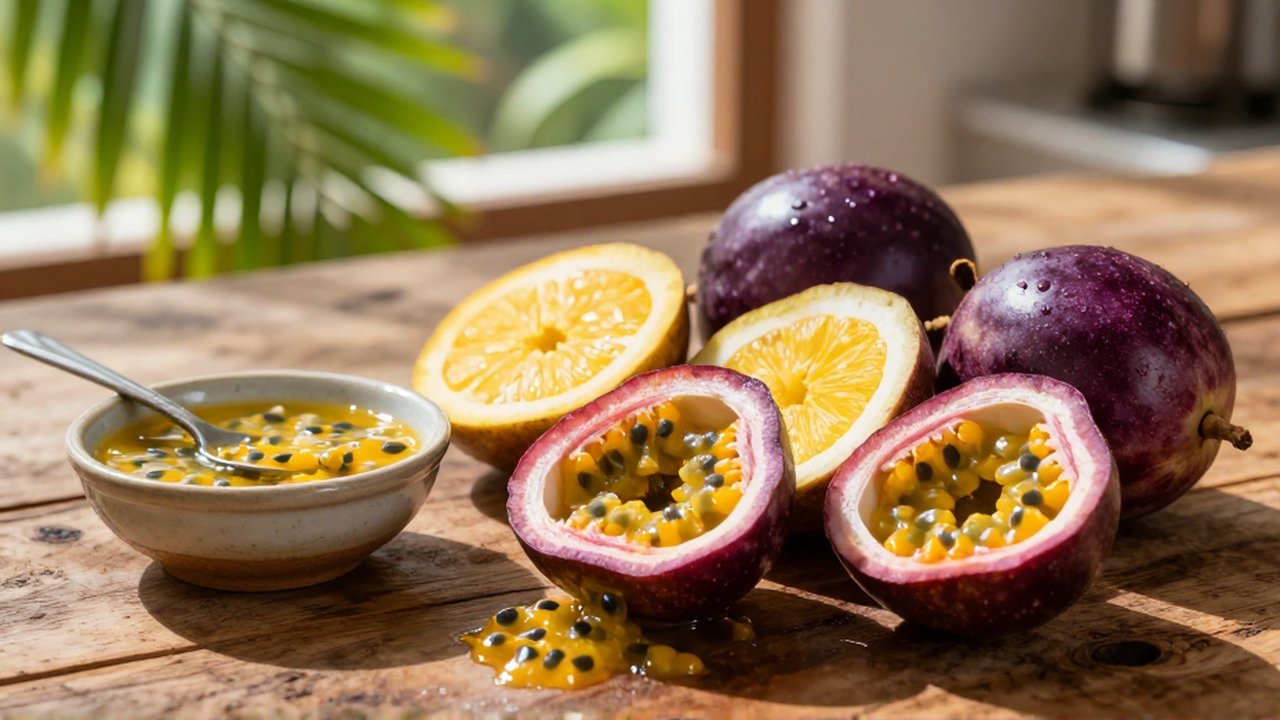
Selecting a high-quality passion fruit requires more than just an aesthetic glance. Because these fruits are often sold by weight or unit in local markets, knowing how to identify ripeness is crucial to avoid wasting money on fruit that is too tart or already fermented.
To select the best fruit, look at the skin texture. A common misconception is that only smooth-skinned fruit is good. In reality, as passion fruit ripens, the skin often begins to wrinkle. A slightly wrinkled skin is usually a sign that the fruit is at its peak sweetness and is ready for consumption. If the skin is extremely hard and smooth, the fruit may still be quite acidic and underripe.
Weight is another important factor. A heavy fruit indicates a high juice-to-seed ratio, meaning you will get more usable pulp. Avoid any fruit that shows signs of soft spots, mold, or an indentation that feels mushy, as this can indicate internal fermentation or rot.
Tips for maximizing fruit usage
Since passion fruit is a nutrient-dense fruit, getting the most out of every piece is important. The pulp is found inside the seeds, and the most efficient way to extract it is to cut the fruit in half and scoop the contents out with a spoon.
For those looking to use the fruit in cooking, keep in mind that the seeds are edible but contribute a crunchy texture. If a recipe requires a smooth consistency, such as a coulis or a strained juice, it is best to pass the pulp through a fine-mesh sieve. This removes the seeds while retaining the intense aromatic oils found in the pulp. Additionally, when making desserts, always balance the natural acidity of the fruit with enough sugar or cream to prevent the flavor from becoming too sharp.
Frequently asked questions
Can passion fruit be frozen for later use? Yes, passion fruit pulp can be frozen. It is best to scoop the pulp out of the skin, place it in an airtight container or an ice cube tray, and freeze it. This is an excellent way to preserve the seasonal abundance of the fruit.
Is it better to use yellow or purple passion fruit for juice? For a traditional, tart, and refreshing Caribbean-style juice, the yellow variety is usually preferred due to its high acidity. For a sweeter, milder juice, the purple variety is a better choice.
Why is my passion fruit skin wrinkled? Wrinkled skin is a natural sign of ripening. As the fruit loses a bit of moisture, the sugars concentrate, making the fruit sweeter and more flavorful.
How can I tell if a passion fruit has gone bad? A passion fruit is likely spoiled if it has a fermented smell (similar to alcohol), visible mold on the skin, or if the skin feels excessively soft and liquid-like when pressed.
Leave a Reply