
Different varieties of guava found in the Caribbean
Introduction
Guava is one of the most iconic and versatile tropical fruits found throughout the Caribbean islands. Known for its intense aroma and high nutritional value, particularly its significant Vitamin C content, this fruit plays a vital role in both local diets and the regional culinary identity. Understanding the different varieties of guava is essential for anyone looking to master Caribbean cooking, as each type offers unique textures, sweetness levels, and aromatic profiles that dictate how they should be used in recipes.
Whether you are preparing traditional jams, refreshing juices, or enjoying the fruit fresh, knowing the distinction between varieties changes the outcome of your culinary creations. Some guavas are best suited for eating raw due to their smooth flesh, while others are preferred for cooking because of their intense fragrance and pectin content. This guide explores the common types of guava found in the Caribbean to help you choose the perfect fruit for every occasion.
Common guava varieties in the Caribbean region
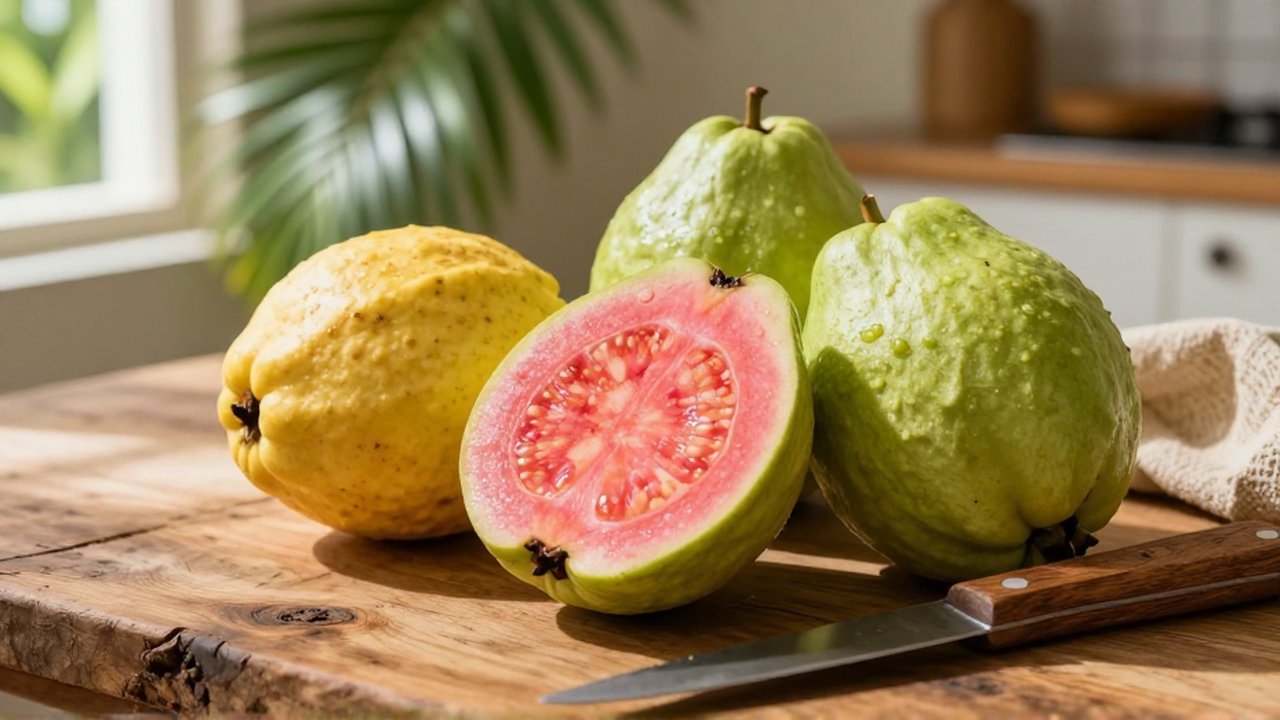
The Caribbean landscape hosts several varieties of guava, often categorized by the color of their flesh and the texture of their skin. While local names may vary slightly from island to island, the botanical characteristics remain consistent.
The most widespread variety is the White Guava. This variety typically features a pale, creamy white flesh and a slightly firmer texture. It is widely used in the Caribbean for making juices and jellies because of its reliable consistency. While it is slightly less fragrant than its pink counterparts, its mild sweetness makes it a balanced ingredient in mixed fruit salads.
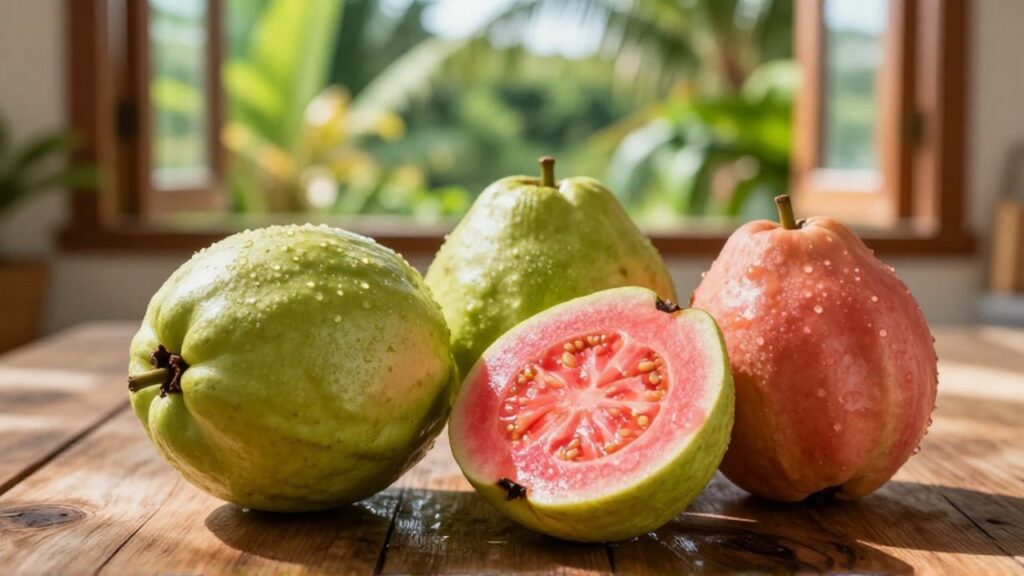
The Pink Guava is perhaps the most beloved variety among fruit enthusiasts. It is characterized by a vibrant pink or reddish interior, which is highly prized for its aesthetic appeal and intense, floral aroma. Pink guavas tend to be softer and juicier than white guavas, making them the gold standard for high-quality fruit preserves and artisanal jams. The color of the flesh also provides a beautiful natural tint to beverages and desserts.
Another notable type is the Strawberry Guava, which is smaller in size compared to the standard tropical guava. These are often more aromatic and have a flavor profile that mimics a blend of strawberry and tropical citrus. Due to their smaller size and often more delicate skin, they are frequently consumed fresh or used to infuse syrups and cocktails with a concentrated tropical essence.
Characteristics to consider when selecting guava
To get the most out of your fruit, it is important to understand the differences in how these varieties behave in the kitchen. Choosing the right variety depends on your intended use.
| Variety Type | Flesh Color | Best Use | Key Trait |
|---|---|---|---|
| White Guava | Creamy White | Juices and Smoothies | Firm texture and mild flavor |
| Pink Guava | Deep Pink | Jams, Jellies, and Desserts | Intense aroma and high pectin |
| Strawberry Guava | Reddish/Small | Fresh consumption and Syrups | Concentrated fragrance |
When selecting fruit, look for a fragrance that is strong but not fermented. A ripe guava should yield slightly to gentle pressure. If you are making a jelly, prioritize pink varieties, as the natural pectin and color will enhance the final product. If you are looking for a snack to eat alongside a meal, a firm white guava provides a refreshing, less sugary experience.
Culinary applications of Caribbean guava
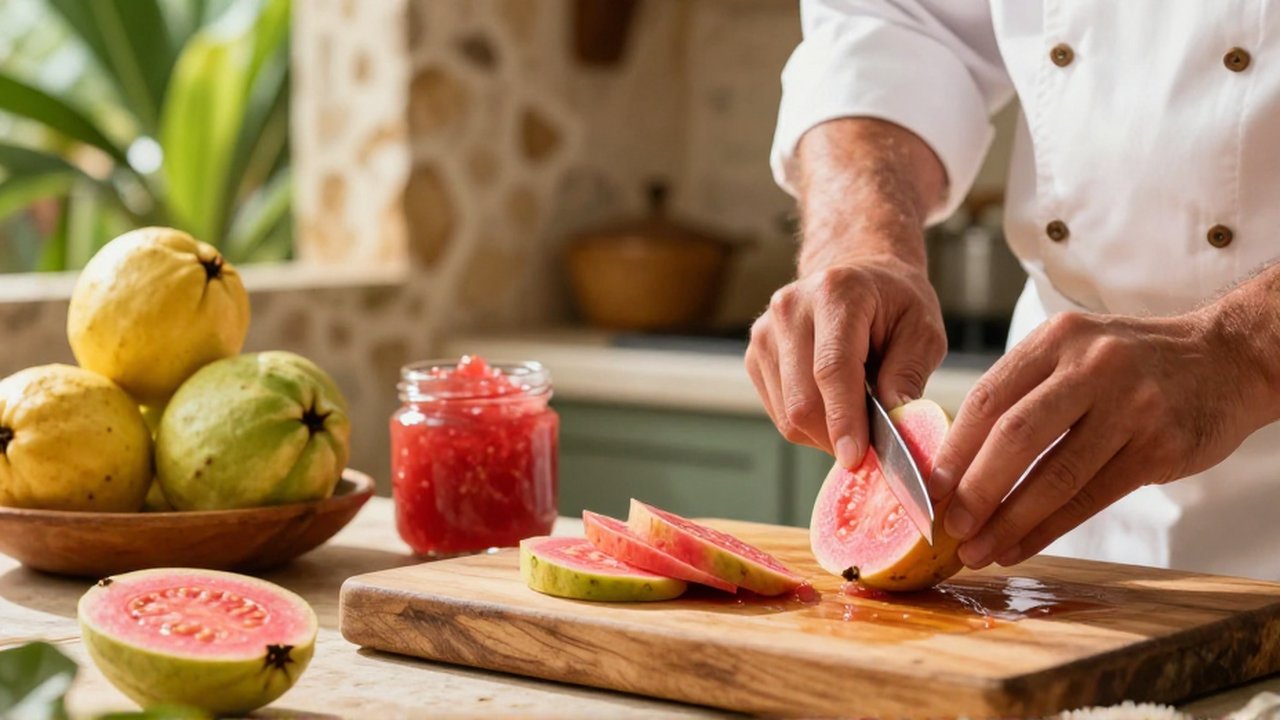
The versatility of guava is a cornerstone of Caribbean gastronomy. Because the fruit can range from quite tart to deeply sweet, it serves multiple culinary purposes.
Preserves and Sweets: Most traditional Caribbean guava pastes (known as pasta de guayaba) are made from highly aromatic pink varieties. The high sugar and pectin content allows the fruit to be cooked down into a thick, spreadable consistency that is often paired with cheese.
Beverages: Guava juice is a staple across the islands. For a clearer, more refreshing juice, many prefer using white guava, which produces less sediment. For a more robust and colorful tropical drink, pink guava is the preferred choice for blending into smoothies or mixing with sparkling water.
Fresh Consumption: When eaten raw, the variety chosen changes the sensory experience. Smaller, sweeter varieties are often enjoyed as a quick snack, while larger varieties might be sliced and served as part of a tropical fruit platter, often accompanied by a squeeze of lime to balance the sweetness.
Frequently asked questions
How can I tell if a guava is ripe? A ripe guava will emit a strong, sweet fragrance and will feel slightly soft to the touch. If it is very hard, it may still be quite tart and best suited for cooking rather than eating fresh.
Can I use white guava to make pink guava jelly? While you can use white guava to make jelly, it will not have the same vibrant pink color or the same intense floral aroma characteristic of true pink guava varieties.
Why is guava considered a healthy fruit? Guava is exceptionally high in dietary fiber and Vitamin C. Many varieties are also rich in antioxidants and Vitamin A, making them a nutrient-dense addition to a tropical diet.
Is it better to peel guava before eating? This depends on personal preference and the variety. Many people choose to peel tougher-skinned varieties, but the skin is edible and contains many nutrients. If the skin is thin and the fruit is very ripe, it can be eaten whole.
Leave a Reply