
Tips for selecting perfect tropical bell peppers
Introduction
Tropical bell peppers are a cornerstone of vibrant Caribbean and tropical cuisine, adding essential color, crunch, and a unique sweetness to traditional dishes. Whether you are preparing a savory sauté, a fresh salad, or a slow-cooked stew, the quality of the pepper directly dictates the flavor profile of your meal. Selecting the right specimen ensures you get the maximum nutritional value and the best textural experience.
Knowing how to distinguish a premium pepper from one that is subpar is a vital skill for any home cook. This guide focuses on the specific sensory indicators—sight, touch, and smell—that signal freshness and peak ripeness. By mastering these selection techniques, you can avoid wasting ingredients and ensure that every recipe you prepare shines with the bright, characteristic essence of tropical produce.
Visual indicators of freshness

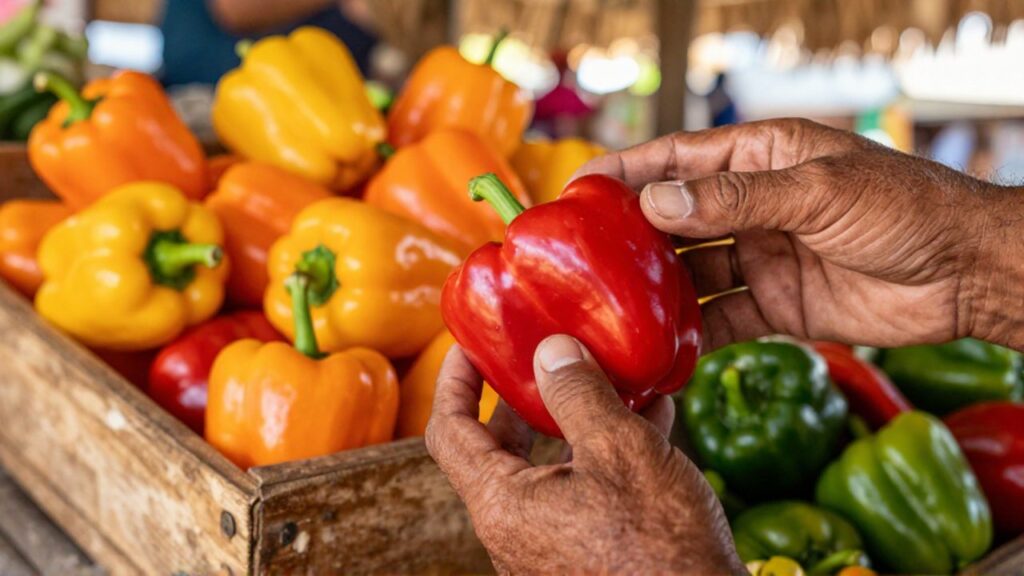
The first step in selecting high-quality bell peppers is a thorough visual inspection. A perfect pepper should possess a deep, uniform color that is consistent across its entire surface. In tropical regions, you will encounter various stages of ripeness, ranging from vibrant green to bright yellow, orange, or deep red.
Look for a high-gloss sheen on the skin. A shiny, reflective surface is a primary indicator that the pepper is hydrated and fresh. If the skin appears dull, matte, or shriveled, it is a sign that the vegetable has lost moisture and may have a soft, mealy texture inside. Furthermore, inspect the stem area closely. A healthy pepper should have a firm, green stem that is still attached. Avoid any peppers where the stem looks dried out, shrunken, or shows signs of dark rot, as this often indicates the pepper is old and may have mold developing near the core.
Texture and firmness criteria
Physical touch is perhaps the most reliable way to gauge the internal quality of a bell pepper. When picking up a pepper, apply gentle pressure with your fingertips to check for structural integrity. A premium bell pepper should feel heavy for its size and remarkably firm. A heavy weight often suggests that the pepper is succulent and full of juice.
You should avoid any peppers that feel soft, spongy, or sunken in certain areas. Soft spots are a red flag for bruising or internal decay, which can compromise the flavor of your entire dish. If the skin feels "wrinkly" under your touch, the pepper is likely past its prime. A smooth, taut skin indicates that the cell walls are still intact, providing that essential "crunch" that makes tropical bell peppers so desirable in culinary applications.
Differences in color and flavor profiles

Understanding the flavor implications of different colors is essential for successful meal planning. While all bell peppers belong to the same species, their color corresponds to their level of maturity and sweetness.
| Color | Flavor Profile | Best Culinary Use |
|---|---|---|
| Green | Mild, slightly bitter, and grassy | Sautéing, savory stews, and cooking |
| Yellow/Orange | Mildly sweet and fruity | Salads, garnishes, and raw snacks |
| Red | Very sweet and rich | Roasting, stuffed peppers, and sauces |
When selecting for a recipe, match the color to your desired outcome. If a recipe calls for a savory balance, green peppers offer a crisp bite. If you are looking to enhance the natural sweetness of a dish, opt for the fully ripened red or orange varieties.
Common mistakes to avoid
One frequent mistake is choosing peppers based solely on size. Large peppers are not always better; in fact, an oversized pepper might be overripe or have a thicker, tougher skin. It is better to choose a medium-sized pepper that feels dense and heavy rather than a giant one that feels hollow.
Another error is ignoring the underside of the pepper. Always flip the vegetable over to check for any hidden blemishes, soft patches, or signs of insect damage. Additionally, do not buy peppers that have visible "scars" or irregular bumps on the skin unless you are certain they are just cosmetic; deep indentations can sometimes hide areas where rot has begun to set in.
Frequently asked questions
How long do fresh bell peppers typically last? When stored properly in a cool, dry environment or a refrigerator, fresh bell peppers can maintain their quality for several days to a week. Once they begin to wrinkle, their texture degrades significantly.
Can I use a bell pepper that has slight skin wrinkles? If the wrinkles are very minor and the pepper is still firm to the touch, it is usually safe to eat, though the texture may be less crunchy. However, if the pepper is soft or smells fermented, it should be discarded.
Why are some peppers harder to find in certain colors? Color availability often depends on the season and local harvest cycles. In many tropical markets, green peppers are more abundant as they are harvested earlier, while red peppers are considered a more "mature" harvest.
How can I tell if a bell pepper is hollow inside? While you cannot see inside without cutting it, a hollow pepper will feel significantly lighter in your hand than a solid, fleshy one. If it feels light and "airy," it may have large internal cavities and less meat.
Leave a Reply