
Traditional Dominican methods for extracting fresh sugarcane juice

Introduction
In the Dominican Republic, fresh sugarcane juice, known locally as jugo de caña, is more than just a refreshing beverage; it is a staple of tropical life. This natural nectar is harvested from the stalks of the sugarcane plant and extracted to provide an immediate energy boost and deep hydration. It is a common sight in local markets, roadside stalls, and family gatherings, especially during the intense heat of the Caribbean sun.
Understanding the traditional methods of extraction is essential to appreciating the cultural value of this drink. Unlike processed sweeteners, raw sugarcane juice retains a unique profile of minerals and a vibrant, grassy sweetness that cannot be replicated by industrial sugar. The process relies on physical pressure to break down the fibrous stalks, a technique that has been passed down through generations to ensure the liquid is captured pure and fresh.
The selection of high quality sugarcane
The foundation of a perfect glass of juice lies in the raw material. Not all sugarcane is suitable for direct consumption; the quality of the juice depends heavily on the variety of the plant and the timing of the harvest. In Dominican tradition, farmers look for stalks that are mature but still possess a high moisture content.
Stalks that are too young may lack the necessary sugar concentration, while those that are overly aged can become too woody and difficult to process, yielding a bitter or woody aftertaste. Ideally, the cane should feel heavy for its size, indicating a high water and sugar content. Once harvested, the cane must be processed quickly, as the natural sugars begin to ferment almost immediately after the stalk is cut from the earth.
Traditional manual extraction techniques
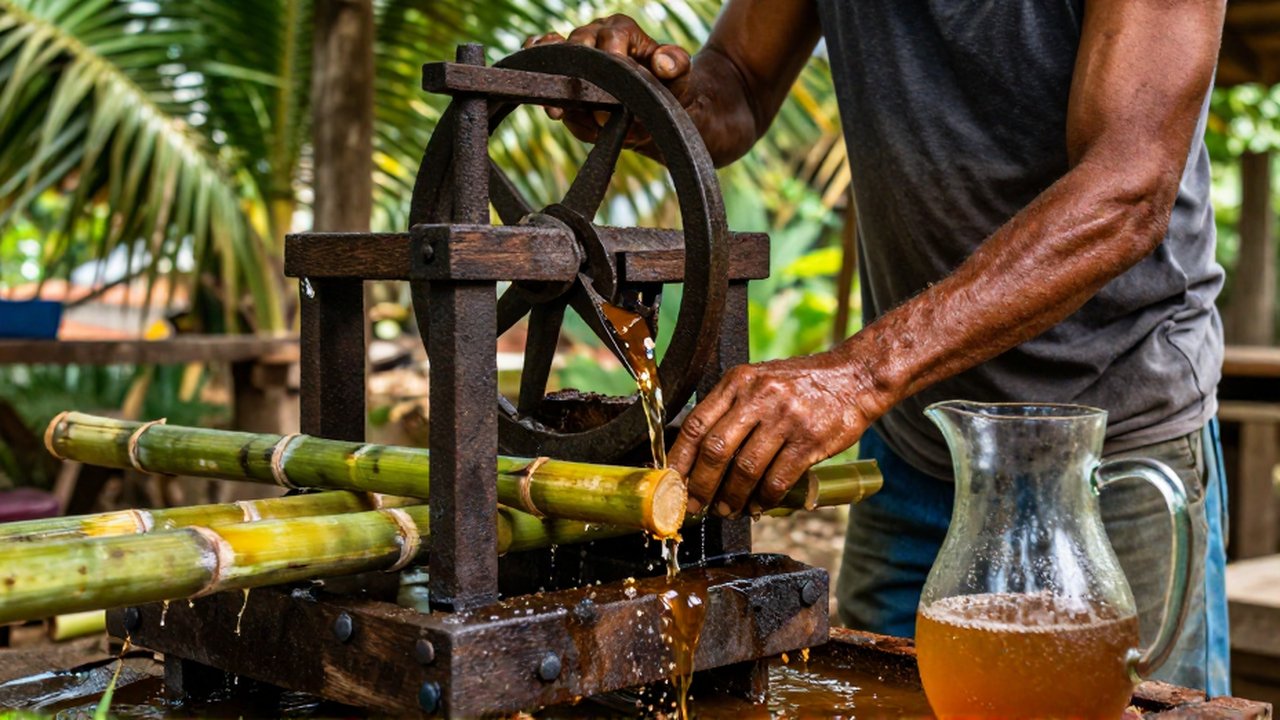
Before the widespread availability of motorized machinery, the extraction of sugarcane juice was a labor-intensive manual process. Traditionally, this involved several specific steps to prepare the cane for the press.
First, the outer, tougher layers of the sugarcane stalks are stripped away. This is often done using a machete to peel the skin, which prevents excess fiber and bitter tannins from entering the juice. Once peeled, the stalks are cut into smaller, manageable segments to facilitate the crushing process.
The mechanical heart of the traditional method is the heavy-duty press. Historically, these machines used a series of heavy rollers. The cane segments are fed through these tightly spaced rollers, which exert immense pressure to squeeze every drop of liquid from the pulp. In rural settings, these presses were often operated by hand cranks or small engines, requiring steady rhythm to ensure the cane moved smoothly through the machinery without jamming.
Modernizing the extraction process
While the manual principles remain the same, modern Dominican juice vendors typically use specialized electric sugarcane presses. These machines are designed to be more efficient and hygienic while maintaining the traditional "cold press" philosophy.
| Feature | Traditional Manual Press | Modern Electric Press |
|---|---|---|
| Speed | Slower, requires manual labor | Very fast and continuous |
| Consistency | Highly dependent on operator strength | Extremely uniform pressure |
| Hygiene | Higher risk of sediment buildup | Easier to clean and sanitize |
| Output | Smaller batches | High volume for commercial use |
Modern machines utilize stainless steel rollers and collection trays, which minimize contact with non-food-grade materials. This evolution allows vendors to serve large crowds in urban centers while preserving the raw, unheated state of the juice, which is crucial for its flavor and nutritional profile.
Essential tips for serving and consumption
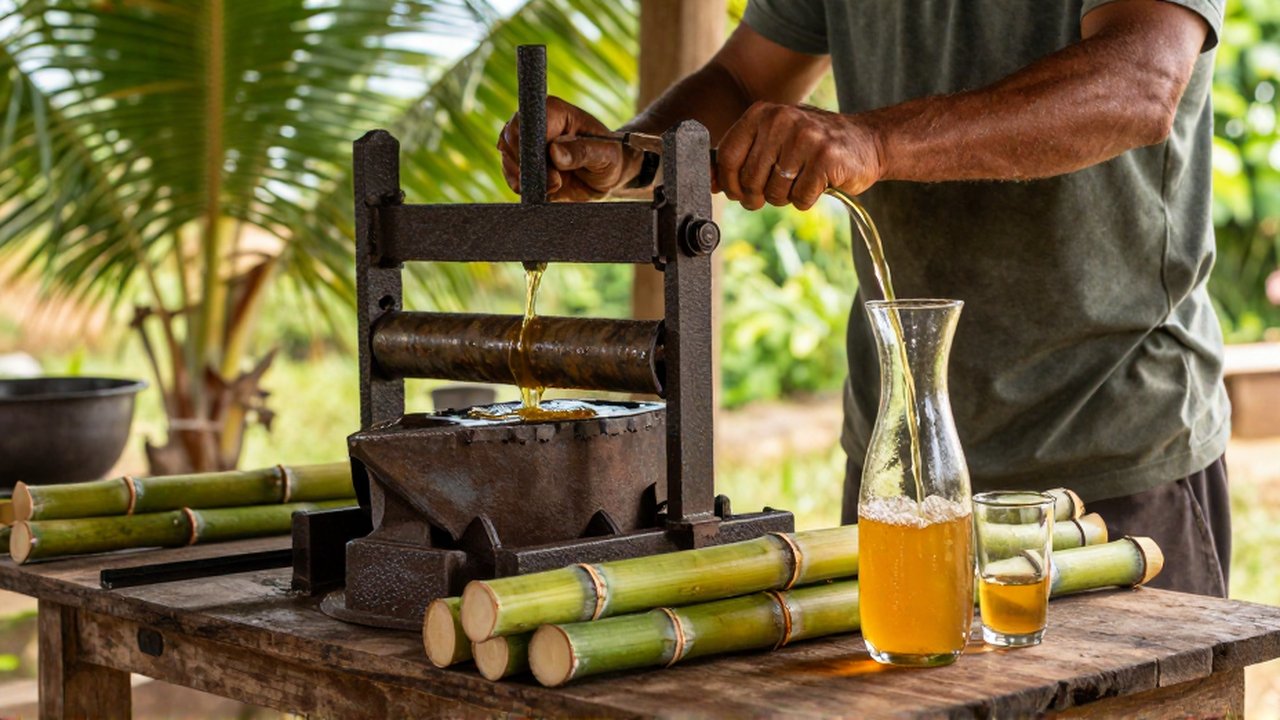
To enjoy sugarcane juice as it is served in the Dominican Republic, certain standards of preparation should be observed. Because the juice is raw and unpasteurized, consumption habits are specific to the context of freshness.
- Temperature: The juice is almost always served chilled. In many local establishments, ice is added directly to the glass to balance the thick sweetness of the liquid.
- Additives: It is common to mix the juice with fresh lime to add acidity, which cuts through the heavy sugar content and brightens the flavor.
- Immediate Consumption: Due to the high sugar content, the juice begins to change color and flavor through oxidation very quickly. It should be consumed immediately after extraction.
Common mistakes in juice preparation
A frequent mistake in attempting to replicate this process is over-processing the cane or using improper cleaning methods. If the cane is not thoroughly cleaned of dirt and debris before being fed into the rollers, the resulting juice will be gritty and unpalatable.
Another error is allowing the juice to sit at room temperature for extended periods. Because the juice is a raw agricultural product, it is highly susceptible to spoilage. High-quality extraction focuses on speed: from the moment the cane enters the machine to the moment the liquid reaches the consumer, the process should be swift and kept in a cool environment.
Frequently asked questions
Can I make sugarcane juice at home using a standard juicer? While a high-quality centrifugal or masticating juicer can extract some liquid, they are generally not designed for the extreme density of sugarcane fibers. A dedicated sugarcane press is the only way to achieve the traditional texture and volume.
Why does the juice change color over time? Sugarcane juice undergoes oxidation when exposed to air. This is a natural chemical reaction that causes the vibrant green or light yellow liquid to turn a darker, brownish hue. This does not necessarily mean it is bad, but it indicates it is no longer fresh.
Is sugarcane juice safe to drink? When extracted in a clean environment and consumed immediately, it is a common and safe beverage. However, because it is unpasteurized, it should be sourced from reputable vendors who prioritize cleanliness and use fresh, well-cleaned stalks.
Does sugarcane juice contain much nutrition? Yes, raw sugarcane juice contains various minerals such as calcium, magnesium, and potassium, along with antioxidants. It serves as a natural source of quick energy due to its sucrose content.
Leave a Reply