What is the significance of Sunday meals in Dominican homes
Introduction
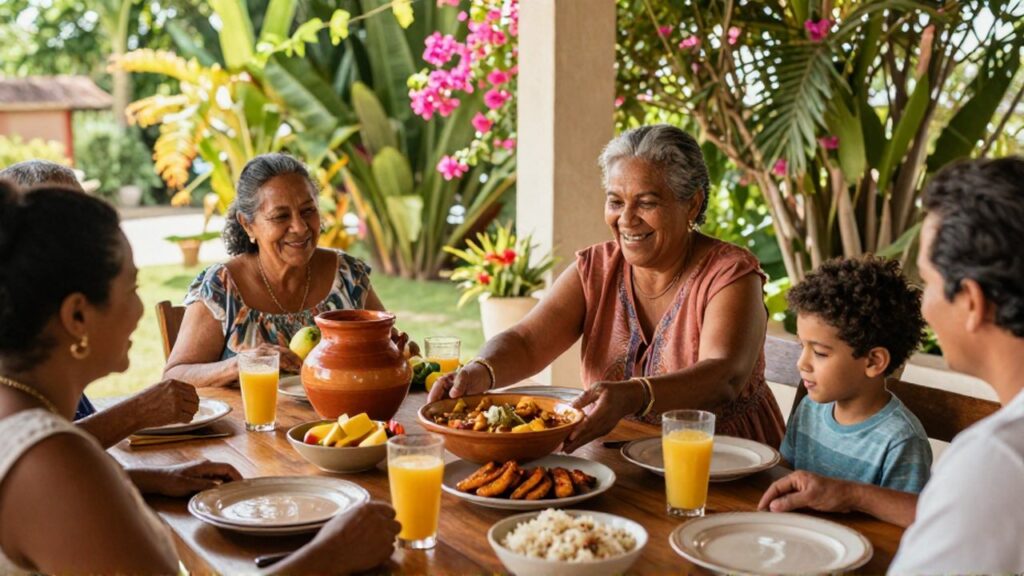
In the Dominican Republic, Sunday is not merely the final day of the week; it is a sacred period dedicated to family, rest, and culinary tradition. The Sunday meal serves as the emotional and social cornerstone of the household, acting as a ritual that reinforces kinship bonds and preserves cultural identity. Unlike the hurried weekday lunches driven by work schedules, the Sunday gathering is a slow, deliberate event designed to facilitate connection through shared flavors and extended conversation.
Understanding the significance of these meals requires looking beyond the ingredients on the plate. For Dominican families, the act of preparing and consuming food on a Sunday is a way to honor ancestors, celebrate togetherness, and create a sense of belonging. It is a time when the kitchen becomes the heart of the home, and the dining table becomes a space where stories are told, traditions are passed down, and the hectic pace of modern life is temporarily paused.
The role of food in family cohesion
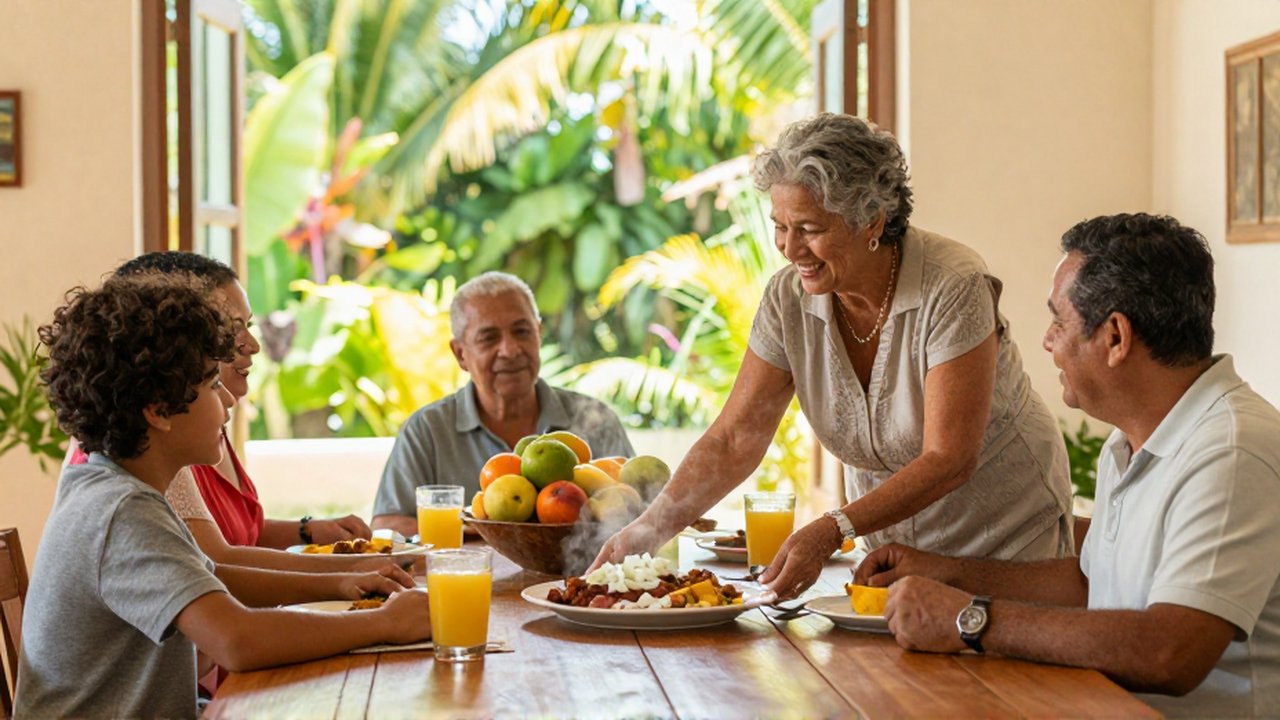
The Sunday meal acts as a powerful glue for the Dominican family unit. In a culture where family is the primary social structure, these gatherings provide a necessary rhythm to life. Because many family members may live apart due to work or migration, the Sunday meal serves as a weekly checkpoint to ensure everyone remains integrated into the family circle.
During these feasts, the hierarchies and roles within the family are reinforced through the sharing of tasks and the communal experience of eating. It is common to see multiple generations sitting around a single table, where the eldest members share wisdom and the youngest learn the nuances of social etiquette and cultural history. This ritual helps mitigate the isolation of modern urban living by providing a guaranteed moment of collective presence.
Traditional dishes that define the Sunday experience
While every household has its own unique touch, certain culinary themes often define the Dominican Sunday. These meals are characterized by their complexity and the time required for their preparation, which signifies the importance of the day.
- Sancocho: Perhaps the most iconic Sunday dish, this hearty, multi-meat stew is a labor of love. Its thick consistency and rich variety of tubers and meats make it the ultimate comfort food for a large group.
- Arroz con Pollo: A festive rice dish seasoned with achiote and various vegetables, often served when families want a meal that is both celebratory and approachable.
- Moro y Carnes: A combination of seasoned rice (moro) paired with roasted or stewed meats, representing the classic balance of Dominican flavors.
- Side Dishes: No Sunday meal is complete without staples such as tostones (fried green plantains), habichuelas guisadas (stewed beans), and fresh salads to complement the heavier proteins.
The presence of these dishes is intentional. Preparing a sancocho, for instance, requires several hours of simmering, which matches the slow tempo of a Sunday afternoon.
The cultural importance of slow cooking
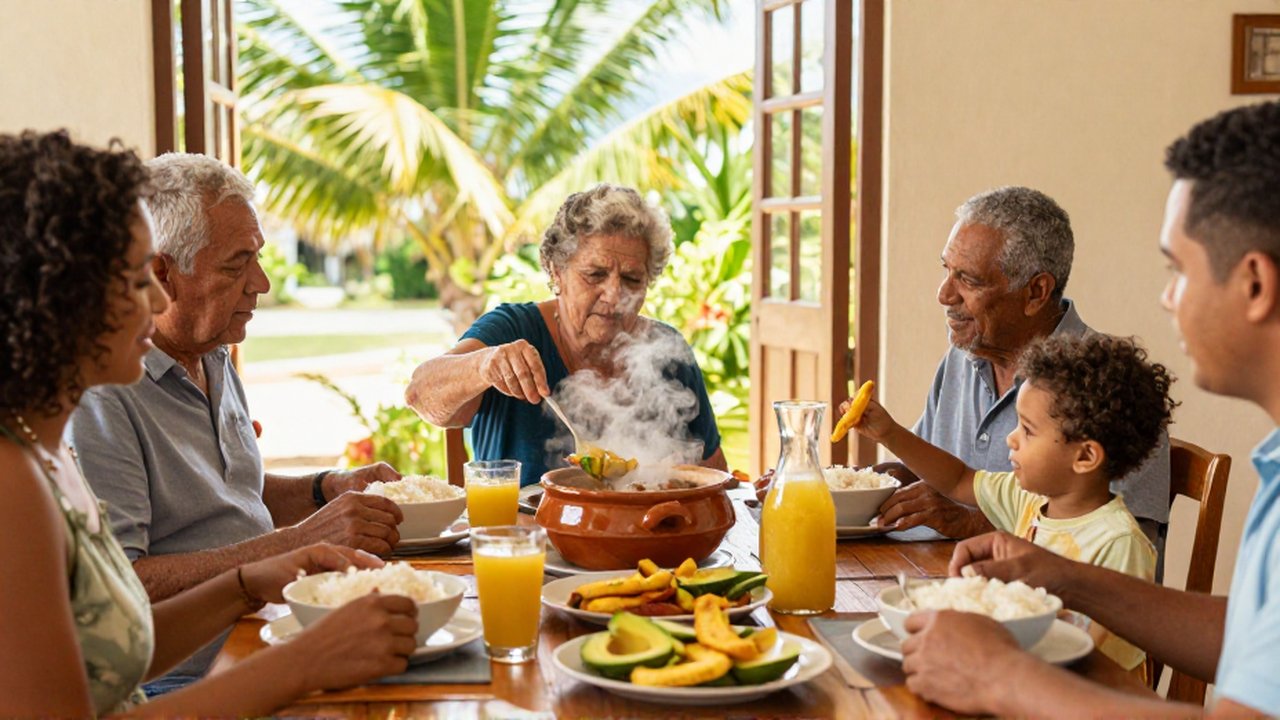
The preparation process is just as significant as the meal itself. In Dominican culture, "fast food" has little place in the Sunday tradition. The ritual begins hours before the meal, often with the preparation of ingredients—peeling tubers, seasoning meats, and chopping vegetables.
This slow cooking method serves several purposes: 1. Symbolism of Effort: Spending hours in the kitchen is a tangible expression of love and dedication toward one's family members. 2. Sensory Anticipation: The aroma of simmering spices and meats fills the home, building anticipation and signaling to everyone that the time for gathering has arrived. 3. Socializing during prep: The kitchen often becomes an informal social space where family members assist, talk, and bond before the formal sitting occurs.
Common mistakes in maintaining tradition
In a rapidly globalizing world, certain challenges can impact the preservation of this tradition. One common issue is the shift toward convenience, where the pressure of busy schedules leads families to opt for quick, processed alternatives rather than traditional, slow-cooked meals. While this saves time, it can dilute the ritualistic value of the day.
Another challenge is the impact of the diaspora. As many Dominican families move abroad, they must work harder to recreate the "Sunday feeling" in different environments. However, even in different countries, the insistence on recreating specific recipes remains a vital way to maintain a connection to their roots and heritage.
Frequently asked questions
Why is Sancocho specifically popular for Sundays? Sancocho is a complex stew that requires significant time and a variety of ingredients. Because it is meant to be shared and takes time to develop its deep flavors, it perfectly matches the relaxed and communal nature of a Sunday.
Is the Sunday meal always a large gathering? While many families use Sunday to host extended relatives, the core significance remains the same even for smaller nuclear families. The emphasis is on the quality of connection and the ritual of the meal rather than just the number of guests.
How do these meals help preserve Dominican culture? Through the repetition of specific recipes, techniques, and social customs, these meals act as a living history. They ensure that younger generations learn the tastes and values that define Dominican identity.
Leave a Reply