How did European livestock introduction change Dominican diets

Introduction
The arrival of European colonizers in the Caribbean brought about a radical transformation of the island's biological and culinary landscape. Before this period, the Indigenous Taíno people relied primarily on tubers, maize, tropical fruits, and small game. The subsequent introduction of European livestock fundamentally restructured the nutritional profile and the social organization of food consumption in what is now the Dominican Republic.
Understanding this shift is essential for anyone interested in the roots of Dominican cuisine. This transition was not merely a change in menu options; it was a systemic overhaul of agriculture, land use, and protein availability. By examining how animals like cattle, pigs, and goats integrated into the local ecosystem, we can trace the lineage of modern Dominican dishes and the complex cultural fusion that defines the nation's culinary identity today.
The shift from plant-based to protein-rich diets

Prior to European contact, the diet of the inhabitants of Hispaniola was heavily centered on carbohydrates derived from plant life. The Taíno people cultivated cassava (yuca), sweet potatoes, and corn, supplemented by seafood and small animals. The introduction of domesticated livestock introduced a consistent and dense source of animal protein and fats that had previously been scarce in the local diet.
The arrival of cattle and pigs provided a new pillar for nutrition. Unlike the lean proteins found in seafood or small game, livestock offered substantial quantities of fat, which changed how meals were prepared and perceived. Animal fats became vital components in cooking, providing the caloric density required for growing populations and changing the texture and flavor profiles of traditional stews and boiled dishes. This shift marked the beginning of a dual culinary heritage where indigenous crops were increasingly cooked with European animal products.
Impact of specific animals on culinary traditions
Each species introduced by the Europeans played a unique role in shaping the new dietary habits of the island. The integration of these animals was not uniform; different livestock contributed different elements to the kitchen.
- Cattle: The introduction of cows provided a steady supply of milk, cheese, and beef. While beef became a centerpiece for festive meals and hearty stews, the dairy products introduced a new dimension of versatility to breakfast and snack preparations.
- Pigs: Perhaps the most transformative animal, pigs were highly adaptable. They provided lard, which became a fundamental cooking medium, and pork became a staple meat. The ability to preserve pork through salting or smoking allowed for a more stable food supply throughout the year.
- Goats and Sheep: These animals were harder to manage in some terrains but provided essential milk and meat. Goat meat, in particular, integrated into the local landscape, often being used in traditional stews that combined meat with local spices and tubers.
| Animal Type | Primary Contribution | Impact on Cooking |
|---|---|---|
| Cattle | Beef and Dairy | Introduction of stews and creamy textures |
| Pigs | Pork and Lard | Creation of fried dishes and preserved meats |
| Goats | Meat and Milk | Integration into rustic, highland cooking |
Transformation of agricultural landscapes and food production
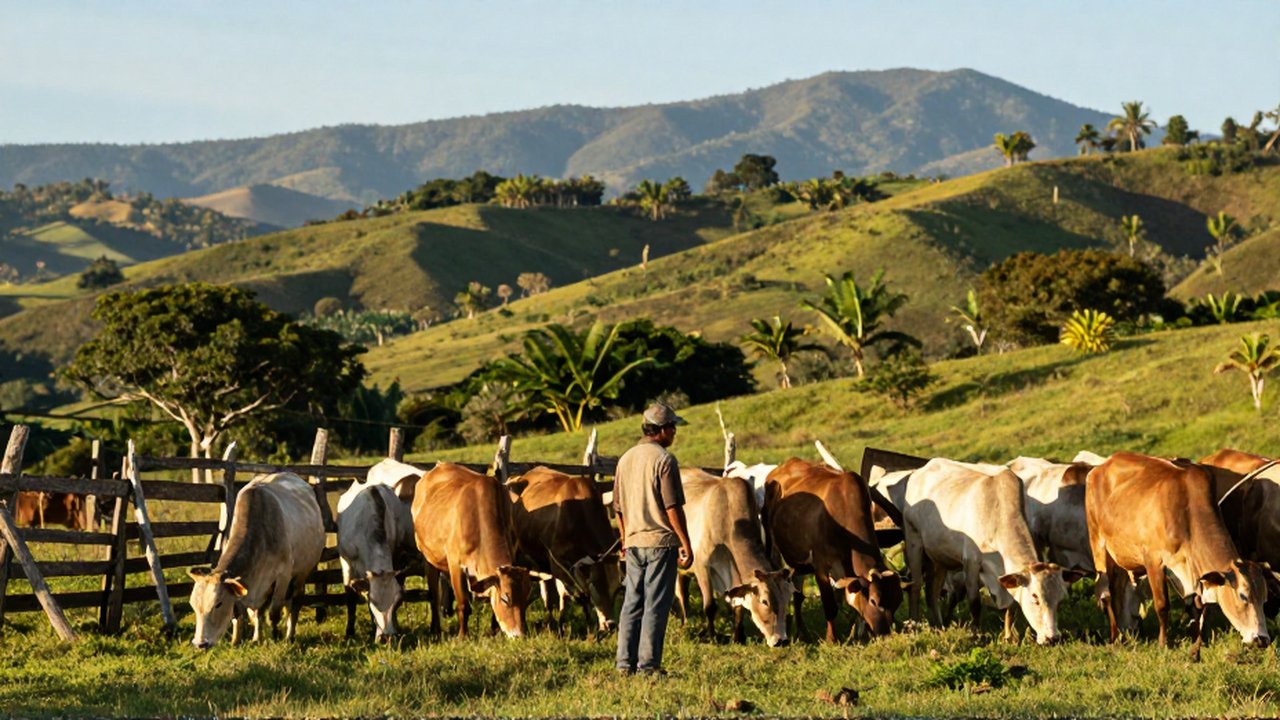
The introduction of livestock did more than just add new ingredients; it changed how the land was used to produce food. The massive increase in grazing animals required larger tracts of land, which led to the conversion of many indigenous cultivation areas into pastures. This shift influenced the availability and price of traditional crops.
As cattle and pigs roamed, the traditional "conuco" system (small-scale, diverse garden plots) had to adapt. Farmers had to balance the cultivation of essential staples like yuca and plantains with the needs of grazing animals. This tension between pastoralism and agriculture created a new economic reality where food was no longer just gathered or grown for subsistence but became part of a broader system of animal husbandry and commodity production. This tension shaped the geographic distribution of food sources across the island.
Integration of livestock into modern Dominican identity
Today, the influence of these European animals is inseparable from the concept of Dominican food. The fusion of indigenous agricultural knowledge with European livestock has resulted in a culinary identity that is distinctly "Mestizo." A typical Dominican meal often features a harmony between the "old world" proteins and the "new world" starches.
For example, the use of pork in traditional recipes or the presence of beef in Sunday stews represents a historical continuity of these colonial introductions. The way fats are used to sauté vegetables or the way meat is simmered with tubers demonstrates a seamless marriage of two different nutritional philosophies. This evolution reflects the broader history of the Dominican Republic: a process of adaptation, blending, and the creation of something entirely new from diverse origins.
Frequently asked questions
What was the main protein source before European livestock arrived? The primary protein sources were seafood (fish and shellfish) and small land animals hunted by the indigenous populations, alongside plant-based proteins from beans and corn.
How did lard change Dominican cooking? Lard, derived from pigs, became a primary cooking fat. It allowed for frying techniques that were not part of the traditional indigenous diet, adding a specific richness and flavor to many local dishes.
Did the introduction of livestock reduce the consumption of indigenous crops? It did not eliminate them; rather, it created a complementary relationship. Traditional staples like plantains, yuca, and rice became the essential sides that accompany the meat-centric dishes introduced by Europeans.
Why are pigs so central to Dominican culinary history? Pigs were highly prolific and could thrive on various food sources, making them a reliable and accessible source of fat and protein for both colonial settlers and the developing local population.
Leave a Reply