
How is coffee served during Dominican family gatherings

Introduction
In the Dominican Republic, coffee is much more than a simple morning stimulant; it is a fundamental pillar of social connection and domestic ritual. During family gatherings, the aroma of freshly brewed coffee acts as a silent invitation, signaling the beginning of deep conversations, the sharing of stories, and the strengthening of familial bonds. Whether it is a Sunday lunch or a late-night visit between relatives, the ritual of coffee serves as the rhythmic heartbeat of hospitality.
Understanding how coffee is served provides a window into the Dominican soul. It is not merely about the beverage itself, but about the timing, the accompaniments, and the unwritten rules of etiquette that govern these moments. For locals and visitors alike, recognizing these patterns is essential to appreciating the warmth and intentionality that defines Dominican communal life.
The significance of the coffee ritual
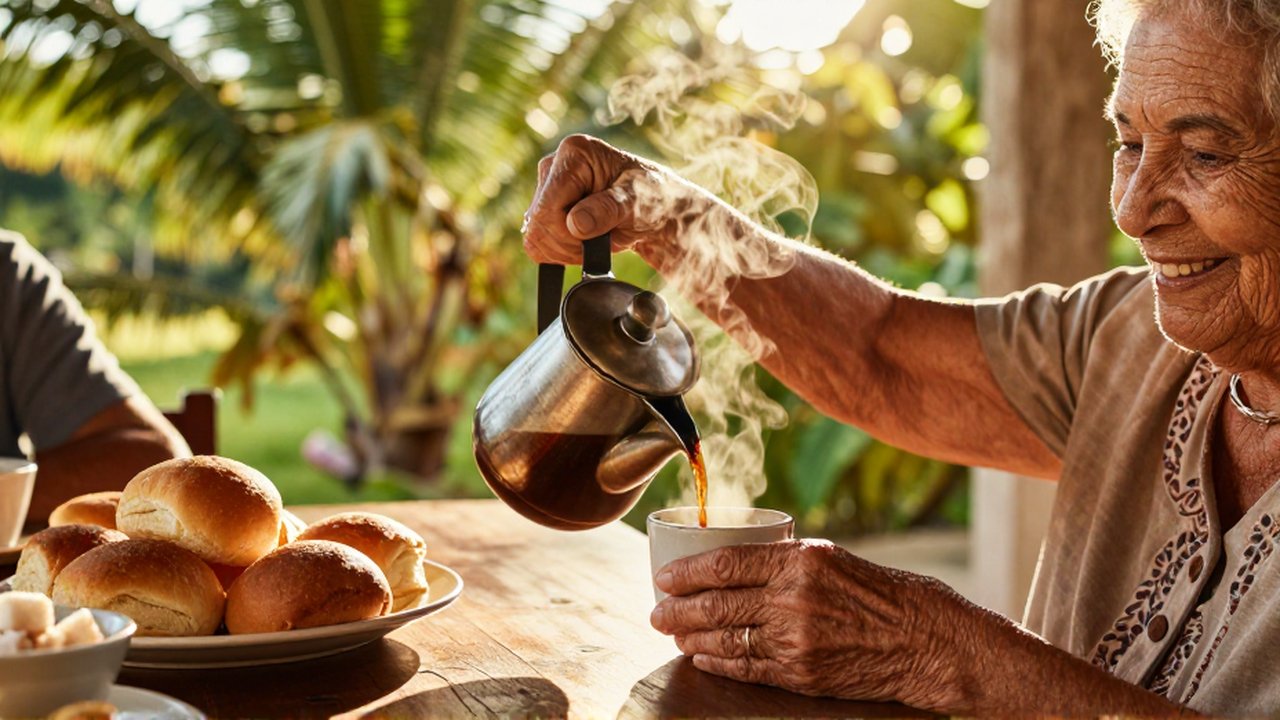
Coffee is the quintessential medium for hospitality in Dominican culture. When guests arrive at a home, the act of preparing coffee is often the first gesture of welcome. It signifies that the host is ready to dedicate time to the visitor, moving beyond mere politeness into true engagement. Unlike a rushed cup taken on the go, coffee in a family setting is meant to be sipped slowly, often accompanied by hours of uninterrupted dialogue.
The ritual serves several social functions. Firstly, it acts as a bridge between generations, where elders share wisdom while the younger members listen. Secondly, it serves as a "social lubricant," easing the transitions between heavy meals and the relaxed atmosphere of conversation. Finally, it represents a sense of stability and tradition; no matter how much the world changes, the ritual of the cafecito remains a constant in the Dominican household.
Preparation and traditional brewing methods
The quality of the coffee served is paramount to the success of the gathering. Most Dominican households take great pride in the preparation process, which often involves several traditional steps:
- Grinding: Coffee is frequently ground just before brewing to ensure maximum freshness and a potent aroma that fills the house.
- The Method: While modern machines exist, many families still prefer the traditional stovetop method using a small pot or a percolator. This ensures a strong, concentrated flavor.
- The Ratio: Dominican coffee is typically served very strong. The ratio of coffee to water is higher than in many Western styles, resulting in a dark, intense brew.
- Sweetening: Most coffee is served with sugar. In many households, the sugar is added during the brewing process or kept on the table for guests to customize their sweetness.
Common accompaniments and side dishes
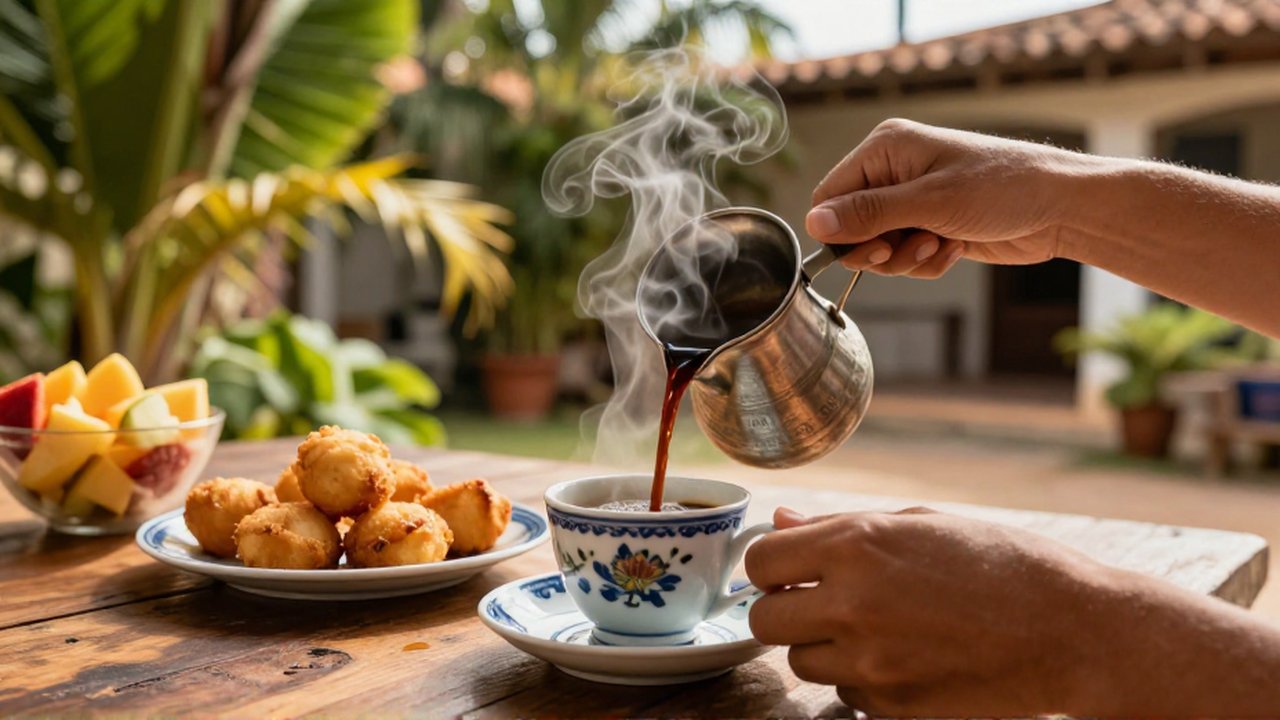
A cup of coffee in a Dominican home is rarely served in isolation. To balance the intensity of the brew, various local delicacies are almost always present on the table. These accompaniments turn a simple drink into a complete culinary experience.
| Type of Accompaniment | Examples | Role in the Ritual |
|---|---|---|
| Sweet Pastries | Dulce de leche, quesitos, or local cakes | To balance the bitterness of the strong coffee. |
| Savory Breads | Pan de agua or toasted bread | To provide a textural contrast and satisfy hunger. |
| Traditional Snacks | Casabe (cassava bread) or fried plantains | To ground the sweet flavors with earthy or salty notes. |
Serving these items is an art form in itself. A host will often present a tray containing the coffee pot, small cups, sugar, and a selection of these treats, allowing guests to create their own ideal combination.
Etiquette and social dynamics
There are subtle expectations regarding how coffee is handled during these gatherings. When a host offers coffee, it is generally considered polite to accept at least a small amount, even if you do not intend to drink a full cup. Declining too firmly can sometimes be perceived as a rejection of the host's hospitality.
The timing of the coffee service is also important. It typically follows the main meal or serves as the centerpiece of an afternoon visit. During these times, the focus should remain on the people present. It is considered impolite to be preoccupied with a phone or other distractions while the coffee is being served, as the ritual demands presence and attention to the social circle.
Frequently asked questions
Is Dominican coffee usually served with milk? While some individuals may prefer it, traditional Dominican coffee is most commonly served black and very strong. If milk is added, it is usually after the coffee has been brewed and poured.
What is the best time of day for coffee gatherings? While coffee is enjoyed throughout the day, the most significant social coffee rituals occur in the mid-afternoon (la merienda) or immediately following a large family lunch.
Can I serve coffee without sugar in a Dominican home? Yes, it is perfectly acceptable to request coffee without sugar, though you may find that many traditional preparations already include it. It is best to ask the host first.
Why is the coffee so strong compared to other styles? The preference for a strong, concentrated brew is cultural; it is intended to be an intense sensory experience that complements the heavy, flavorful foods often eaten during family meals.
Leave a Reply