How is La Bandera Dominicana served during holidays
Introduction
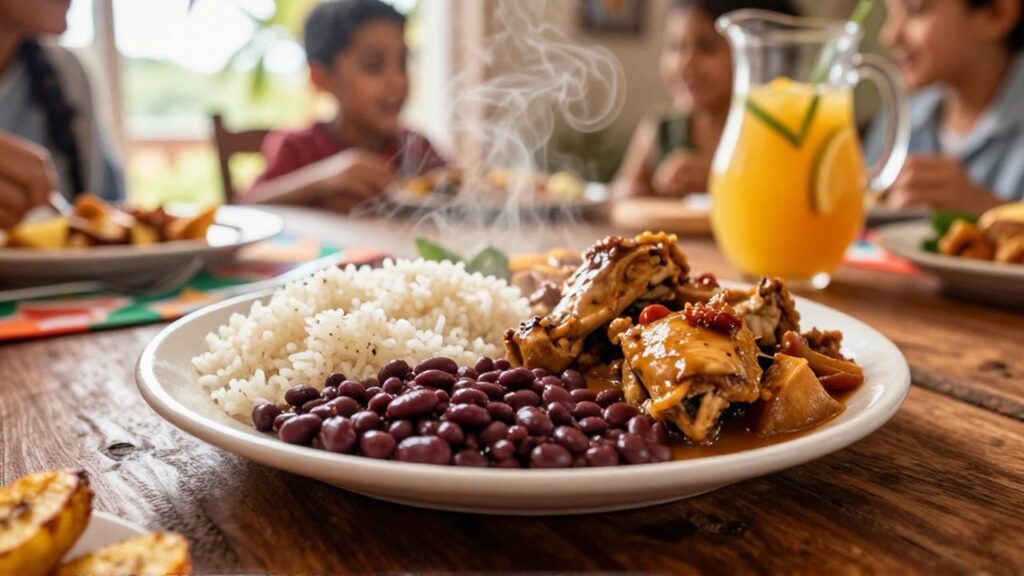
La Bandera Dominicana, or the Dominican Flag, is more than just a meal; it is the culinary heartbeat of the Dominican Republic. Consisting of white rice, red stewed beans, and braised meat—typically chicken or beef—accompanied by salad and fried plantains, it represents the essential daily diet of the nation. On holidays and special family gatherings, this dish transcends its status as a routine lunch to become a symbolic centerpiece of celebration and cultural identity.
Understanding how this dish is elevated during festive seasons is essential for anyone interested in Caribbean gastronomy. While the fundamental components remain consistent, the preparation, side dishes, and presentation undergo a transformation to reflect the joy and abundance of the occasion. During holidays, the meal becomes a communal ritual that brings generations together around a single table.
The essential components of the festive meal
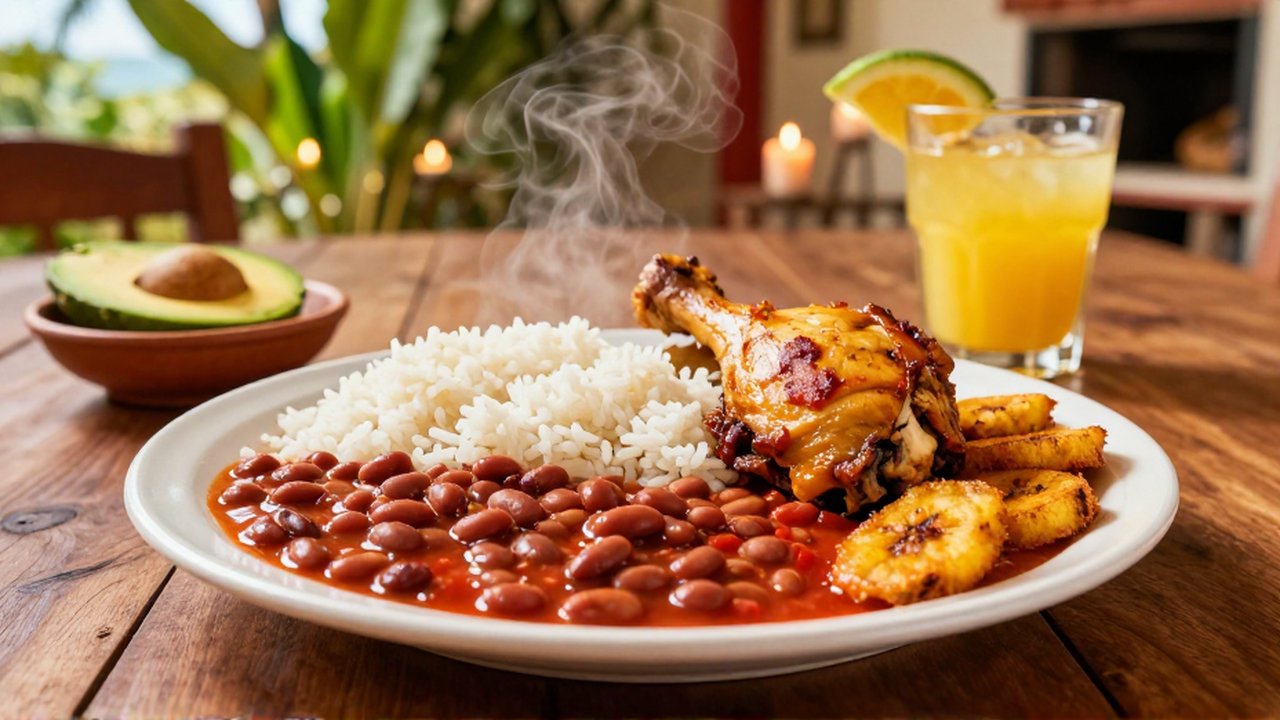
During holidays, the core elements of La Bandera are treated with extra care to ensure they meet the standards of a celebratory feast. The rice is often cooked with more aromatics, such as garlic, onions, and bell peppers, to provide a deeper flavor profile. The beans, a vital part of the dish, are frequently prepared with more "sazón" (seasoning), sometimes incorporating bits of smoked meat or salt pork to enhance the richness of the broth.
The meat component is where the most significant attention is paid. While a standard weekday meal might use simple braised chicken, holiday versions often feature more complex preparations. Braised beef (carne guisada) is a favorite, often cooked slowly until it is incredibly tender, or specialized cuts are used to ensure a premium dining experience.
Traditional accompaniments and side dishes
What distinguishes a holiday serving of La Bandera from a standard weekday lunch is the variety and quality of the sides. In a typical setting, a simple salad or fried plantains might suffice. However, during festive seasons, the spread expands significantly.
- Fried Plantains (Plátanos Fritos): While common daily, holiday plantains are often perfectly ripe and fried to a golden crisp to serve as a sweet contrast to the savory stew.
- Avocado (Aguacate): High-quality, creamy avocado slices are almost mandatory on the holiday plate, adding a necessary fat and texture.
- Fried Cheese (Queso Frito): A festive plate often includes pieces of salty, fried cheese, which adds a distinct textural element.
- Tostones: Crispy, twice-fried green plantains are frequently served as an alternative or addition to sweet plantains, providing a savory crunch.
- Salad Varieties: Instead of a basic lettuce salad, holiday versions might include a more robust vegetable salad or a creamy dressing to complement the heavy proteins.
Cultural significance of communal dining
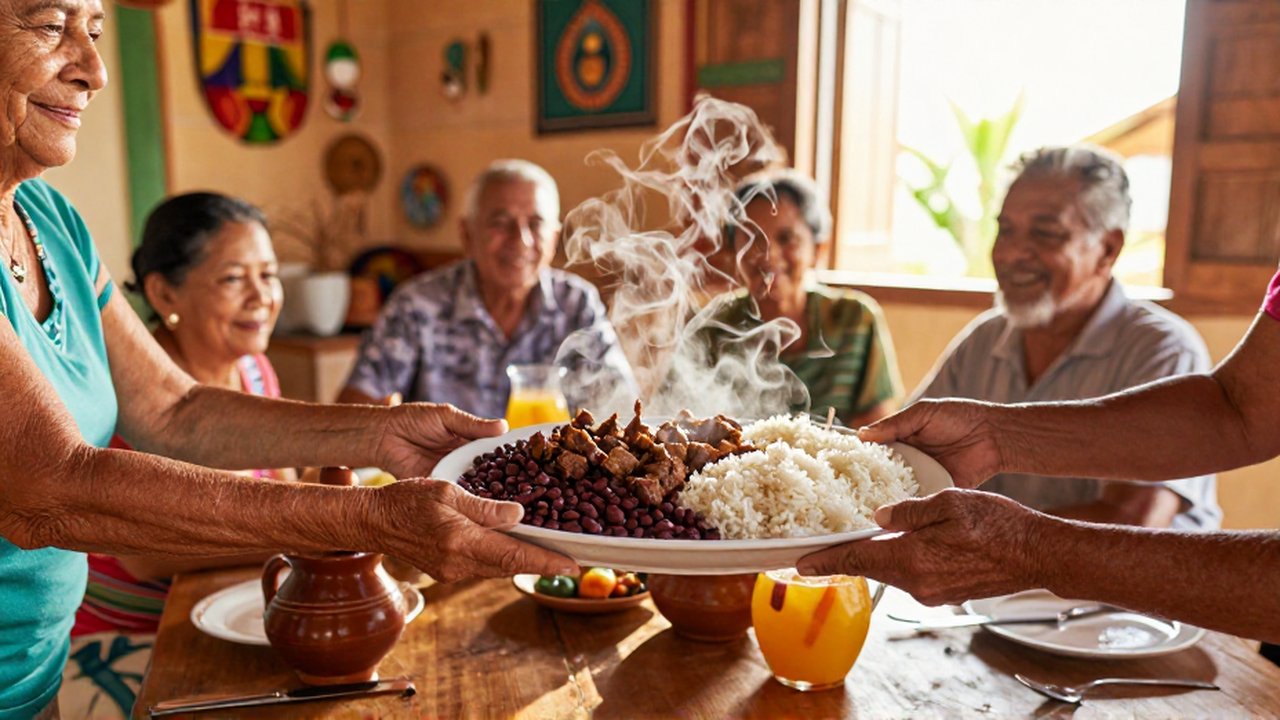
Serving La Bandera during holidays is a deeply social act in Dominican culture. It is rarely a solitary experience; instead, it is timed to coincide with the arrival of extended family. The preparation often begins hours before the guests arrive, as the slow-simmering of the beans and the braising of the meat are tasks that require patience and intention.
The act of serving the "flag" is a gesture of hospitality. Because the dish is so recognizable, it serves as a grounding point for the celebration. Even when other modern or international foods are present at a party, the presence of La Bandera signifies that the gathering is truly a traditional Dominican celebration. It fosters a sense of continuity between the past and the present, as recipes are often passed down through maternal lineages.
Tips for a successful holiday presentation
To elevate the dish for a special occasion, presentation and timing are key. A well-composed plate should show the distinct colors clearly—the white of the rice, the rich red of the beans, and the deep brown of the meat—resembling the stripes of the national flag.
| Element | Holiday Recommendation | Purpose |
|---|---|---|
| Rice | Use long-grain rice with extra garlic | Improves aroma and texture |
| Beans | Ensure a thick, flavorful gravy | Provides moisture to the rice |
| Meat | Slow-braise for maximum tenderness | Enhances the "premium" feel |
| Sides | Offer a mix of sweet and salty | Creates a balanced palate |
Frequently asked questions
Is La Bandera Dominicana only eaten at lunch? While it is traditionally a midday meal, during holidays or special celebrations, it can be served at various times to accommodate the flow of the gathering.
Can different meats be used for the holiday version? Yes, while beef and chicken are standard, some families may use pork or even seafood variations depending on regional customs and personal preference.
Why is it called "La Bandera"? It is called "The Flag" because the colors of the components—white rice, red beans, and the meat/salad—symbolically represent the colors found in the Dominican national flag.
What makes the holiday version different from the everyday version? The difference lies in the depth of seasoning, the addition of extra side dishes like fried cheese or tostones, and the increased quality and quantity of the ingredients used.
Leave a Reply