The evolution of traditional Dominican rice dishes
Introduction
In the Dominican Republic, rice is much more than a dietary staple; it is the rhythmic heartbeat of the national kitchen. Understanding the evolution of traditional Dominican rice dishes offers a profound look into the island's complex history, illustrating how indigenous, African, and European influences merged to create a unique culinary identity. This evolution matters because it tracks the transformation of simple sustenance into sophisticated cultural symbols that define Dominican hospitality and daily life.
Tracing this development allows us to appreciate how a single ingredient can vary so drastically in flavor and technique. Whether it is the daily comfort of a simple white rice or the celebratory complexity of a festive stew, these dishes reflect the shifting availability of ingredients and the blending of diverse ancestral cooking methods. Exploring this history helps food enthusiasts and historians alike connect the plate to the much larger narrative of Caribbean sociology.
The origins of rice in the Caribbean context
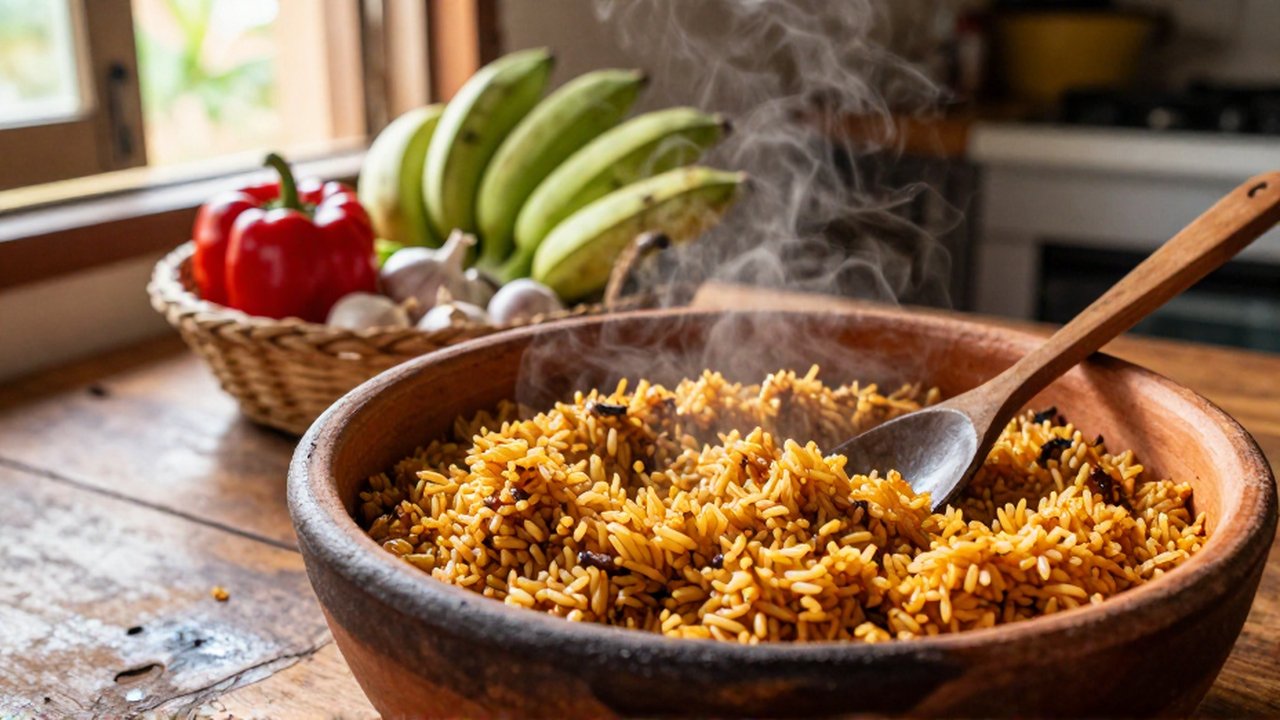
The history of rice in the Dominican Republic begins with the intersection of global trade and colonial arrival. While the Taíno people originally relied on tubers like cassava and corn, the introduction of rice by European settlers fundamentally altered the nutritional landscape of the island. This grain was easily stored, transported, and cultivated in the tropical climate, making it the perfect foundation for a burgeoning colonial diet.
As the plantation economy developed, the culinary techniques brought by enslaved African populations merged with Spanish methods. This fusion was crucial; African cooking traditions introduced bold seasoning, slow-cooking techniques, and the creative use of local aromatics. The result was a culinary synthesis where rice became the canvas upon which different cultures painted their flavors, moving from a foreign import to a foundational element of local survival and, eventually, national pride.
The emergence of La Bandera Dominicana
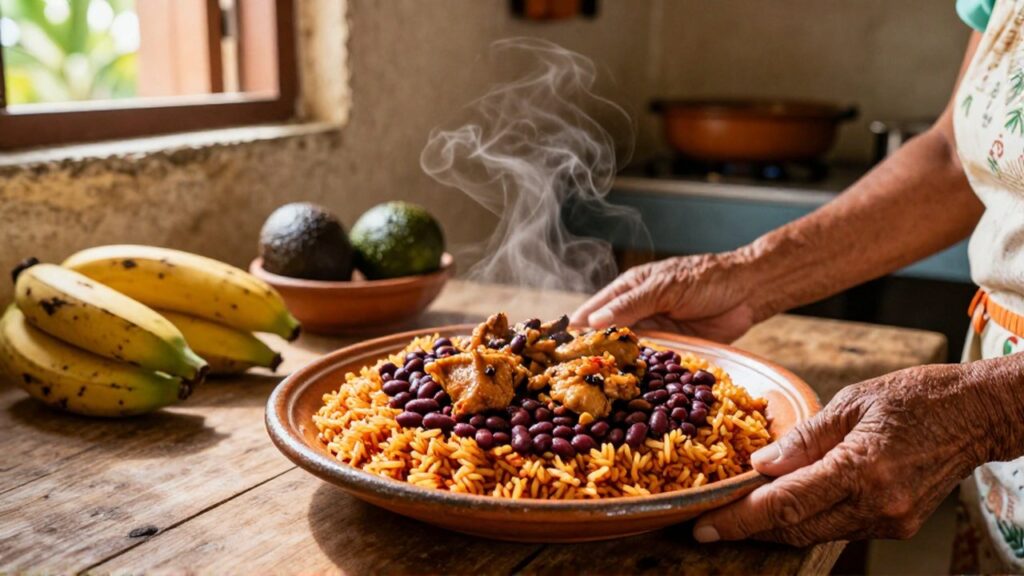
The most iconic milestone in the evolution of Dominican rice is the establishment of La Bandera Dominicana (The Dominican Flag). This dish is not merely a meal but a standardized cultural ritual consisting of white rice, stewed meat (usually chicken or beef), and red beans. The name itself symbolizes the national colors, reflecting the deep integration of this meal into the country's identity.
The evolution of this dish highlights a shift toward efficiency and nutritional balance. In early domestic settings, the ability to cook a large pot of beans and rice provided a reliable source of protein and carbohydrates for working families. Over time, the recipes became standardized, with the "gravy" from the meat being used to season the rice, creating a cohesive flavor profile that distinguishes it from other Caribbean rice preparations.
Variations in festive and regional rice preparations
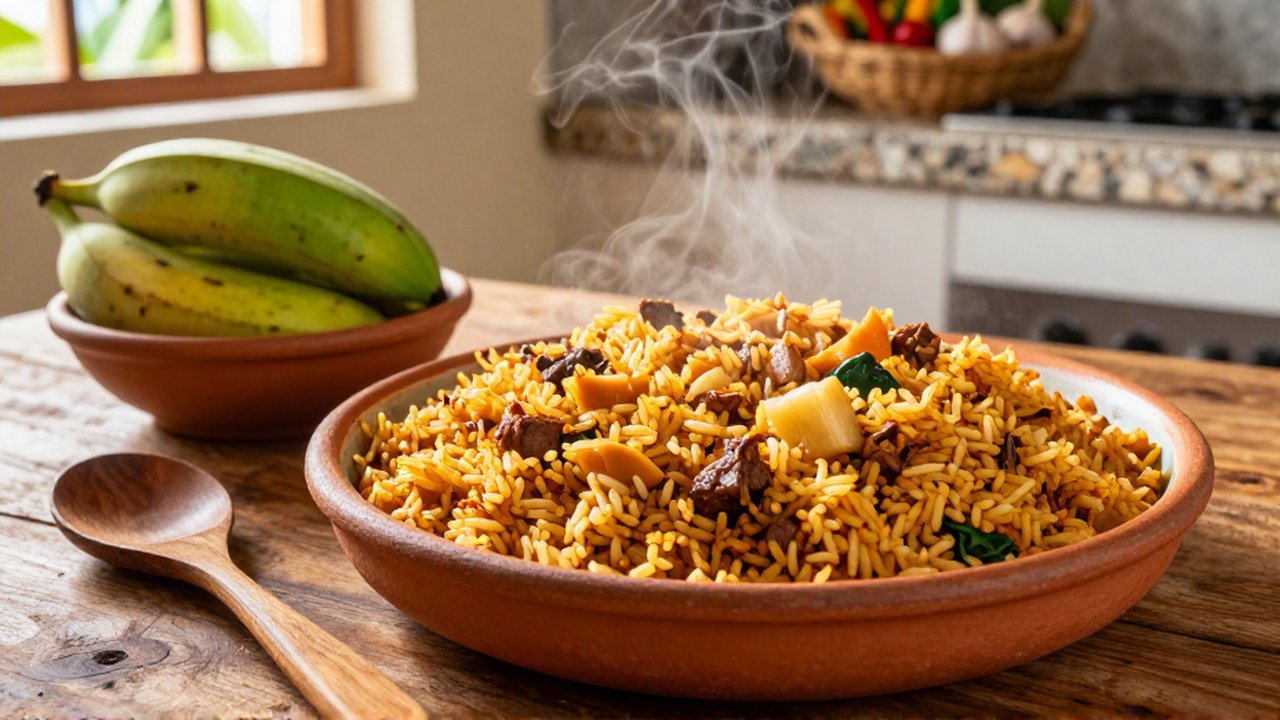
As the culinary landscape matured, rice dishes evolved beyond the daily routine into specialized categories for celebrations and regional preferences. This diversification is evident in several key styles:
- Moro: A cooking method where rice and beans are cooked together in a single pot. This technique allows the starch from the rice to absorb the full essence of the bean broth, resulting in a much more flavorful and textured dish than serving them separately.
- Arroz con Pollo: A celebratory dish where rice is seasoned with spices, vegetables, and pieces of chicken, often served at large gatherings. It represents a step up in complexity from daily staples.
- Concón: While not a separate dish, the crispy, toasted layer of rice at the bottom of the pot has evolved into a highly sought-after delicacy, valued for its unique texture and concentrated flavor.
These variations show how Dominican cooks moved from simple preparation to mastering the art of "one-pot" meals that balance texture, color, and nutrition.
Technological and ingredient influences on modern rice dishes
The evolution of Dominican rice has not stopped in the past; it continues through modern changes in ingredients and cooking technology. The availability of different rice varieties, such as long-grain or parboiled rice, has influenced the texture of traditional dishes, allowing for more consistent results in home kitchens. Similarly, the introduction of commercial seasonings has sometimes competed with traditional methods of using fresh sofrito (a base of onions, garlic, peppers, and herbs).
Modern culinary shifts also see a tension between tradition and innovation. While younger generations may seek faster ways to prepare these meals using modern appliances like pressure cookers, the fundamental flavor profiles—the balance of garlic, oregano, and bell peppers—remain largely unchanged. This tension ensures that while the speed of preparation evolves, the soul of the dish remains anchored in historical authenticity.
Frequently asked questions
What makes Dominican rice different from other Caribbean rice dishes?
The primary difference lies in the specific seasoning profiles and the technique of the moro, where the rice and beans are cooked together to absorb a specific broth, rather than being served as separate components.
Why is rice considered a cultural symbol in the Dominican Republic?
Rice is the foundation of the national diet and the centerpiece of the most important daily meal, La Bandera Dominicana, making it a constant thread through the social and domestic life of the country.
Is the crunchy rice at the bottom of the pot considered a mistake?
On the contrary, the concón is highly prized in Dominican culture. It is considered a delicious treat that requires specific skill to achieve the perfect texture without burning.
How did African influence affect Dominican rice dishes?
African influence introduced essential cooking techniques, such as the use of heavy seasoning and specific ways of slow-cooking legumes, which merged with European ingredients to create the modern Dominican flavor profile.
Leave a Reply