What is the cultural history of Mangú
Introduction
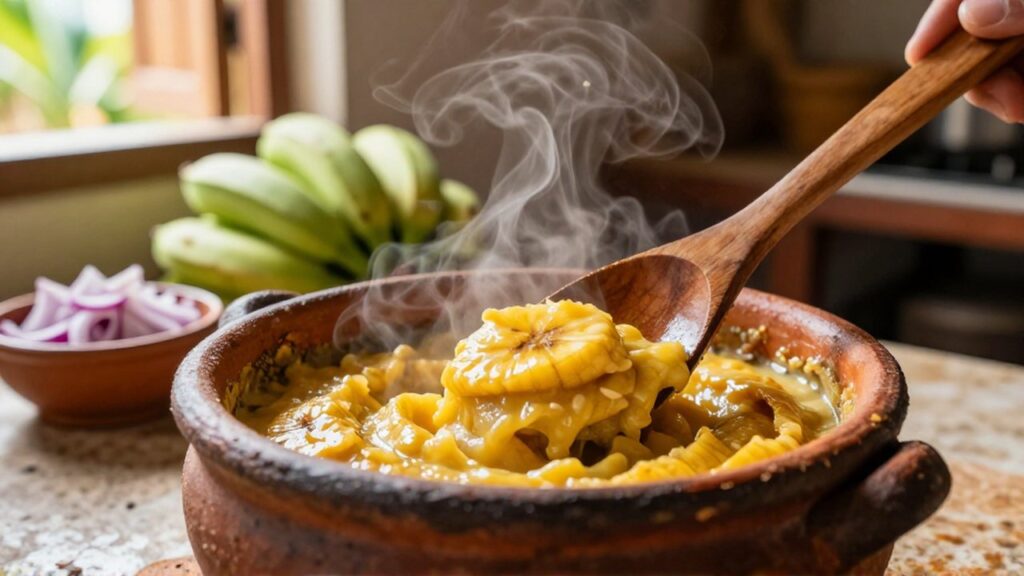
Mangú is more than just a staple dish in the Dominican Republic; it is a profound symbol of national identity and culinary heritage. Consisting of mashed green plantains seasoned with butter and salt, this dish serves as the cornerstone of the traditional Dominican breakfast, providing sustained energy and a sense of comfort to millions. Understanding its history is essential to appreciating how the Caribbean's complex socio-cultural fusion has shaped modern gastronomy.
The significance of Mangú lies in its ability to tell a story of migration, adaptation, and survival. It represents the intersection of indigenous, African, and European influences that define the Dominican soul. For anyone looking to understand the heartbeat of Dominican culture, studying the origins and evolution of this simple yet powerful dish is the most effective starting point.
The roots of the plantain in Caribbean cuisine

The history of Mangú begins with the plantain itself, a fruit that arrived in the Caribbean through trans-Atlantic maritime routes. While the plantain is not native to the Americas, it became deeply integrated into the landscape and the diet of the islands due to its resilience and high caloric yield. For the populations that shaped the Dominican Republic, the plantain was a reliable source of nutrition that could be grown in tropical climates with relatively little maintenance.
The technique of mashing boiled tubers and fruits is a practice that mirrors the culinary traditions of many African cultures. When enslaved populations were brought to the Caribbean, they brought with them sophisticated knowledge of how to process local and introduced crops to create nourishing, filling meals. This cross-pollination of African cooking methods and the availability of the plantain laid the groundwork for what would eventually become a national treasure.
The fusion of cultures in a single dish
The cultural history of Mangú is a testament to the "melting pot" nature of the Dominican Republic. The dish is a result of three distinct historical threads weaving together:
- Indigenous influence: The use of local tropical ingredients and the fundamental reliance on root vegetables and starchy fruits.
- African influence: The fundamental cooking technique of mashing and seasoning boiled starches, a method used to stretch ingredients and create satiety.
- European influence: The introduction of dairy products, such as butter and milk, which are often used to achieve the smooth, creamy texture that distinguishes high-quality Mangú.
This fusion transformed a simple survival food into a culinary standard. Over centuries, the dish evolved from a basic sustenance meal into a sophisticated component of the Dominican breakfast, often paired with specific accompaniments that reflect the country's broader culinary evolution.
Mangú as a symbol of Dominican identity

In the Dominican social fabric, Mangú is much more than a side dish; it is a communal experience. It is the meal that brings families together on Sunday mornings and the fuel that starts the workday for laborers across the country. This deep social integration has elevated the dish to a status of cultural pride, often used to represent Dominican identity in international settings.
The ritual of eating Mangú is often standardized through the "Los Tres Golpes" (The Three Hits), a traditional breakfast combination. This combination typically includes:
- Mangú: The mashed green plantain base.
- Fried Cheese: Typically queso frito, providing a salty, savory contrast.
- Fried Eggs: Adding protein and richness.
- Salami: Often Dominican fried salami, completing the savory profile.
This specific combination serves as a culinary shorthand for "home" for Dominicans, whether they are in a rural village or living in a diaspora community abroad.
Common variations and regional importance
While the core of the dish remains consistent—green plantains mashed with a fat source—there are subtle variations that depend on household traditions and regional availability. Some families prefer a more rustic, textured mash, while others strive for a velvety consistency using heavy amounts of butter or even a splash of milk.
In different contexts, the way Mangú is served can signal the importance of the occasion. In a domestic setting, it is a casual, heartfelt meal. However, in the culinary tourism sector, Mangú is presented with gourmet flourishes to showcase the richness of Dominican history to the world. Regardless of the presentation, the essence of the dish remains its connection to the land and the historical movement of people.
Frequently asked questions
What is the main difference between a banana and a plantain in Mangú? Mangú is made exclusively with green plantains. Unlike sweet bananas, plantains are starchy and savory, making them ideal for mashing and pairing with salty ingredients like cheese and eggs.
Why is the plantain used green instead of ripe? Green plantains have a higher starch content and a firmer texture. When boiled and mashed, they create a dense, satisfying consistency that holds up well to toppings, whereas ripe plantains would be too sweet and soft.
Is Mangú a breakfast dish or can it be eaten at any time? While it is most culturally significant as a breakfast staple, Mangú is versatile and can be enjoyed for lunch or dinner, especially when paired with different proteins like stewed meat or seafood.
Leave a Reply