What is the history of Dominican La Bandera

Introduction
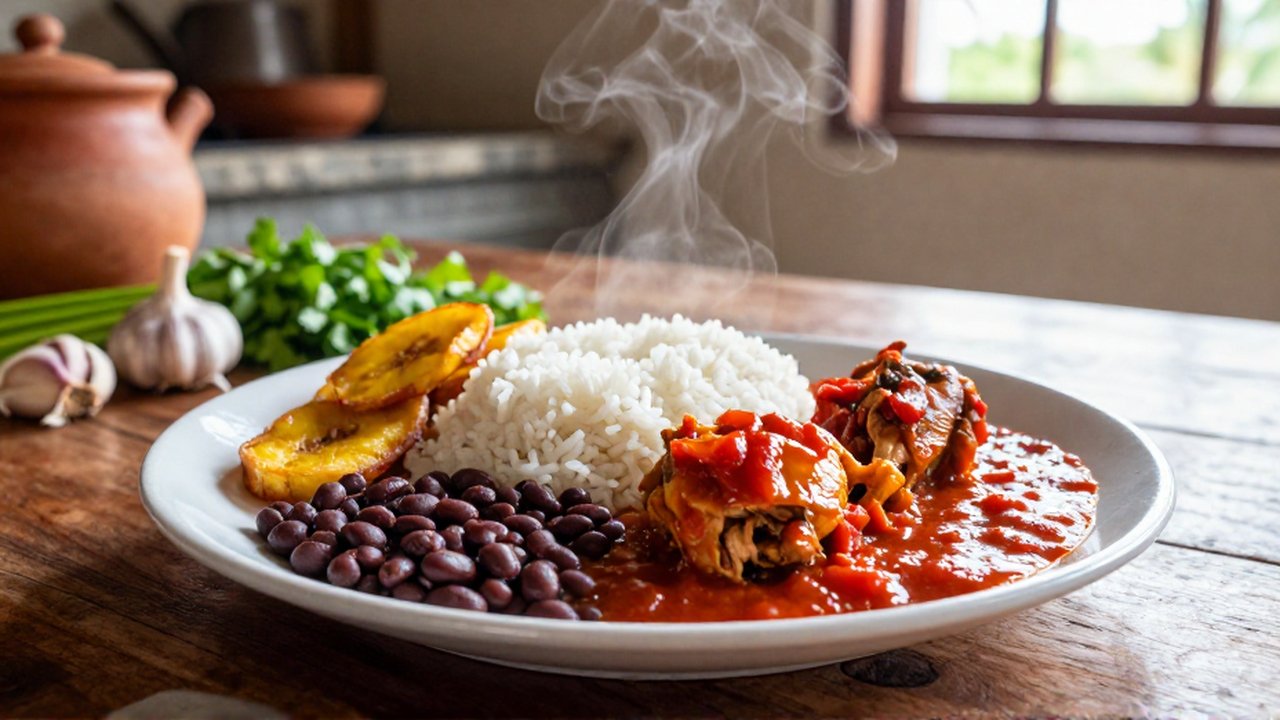
La Bandera Dominicana, or "The Dominican Flag," is the quintessential culinary symbol of the Dominican Republic. More than just a meal, it represents the fundamental nutritional pillars of the nation, consisting of white rice, red stewed beans, and braised meat, often accompanied by a side of salad or fried plantains. This dish is the heartbeat of Dominican homes, served daily to provide sustenance and a sense of identity to millions of people.
Understanding the history of this dish is essential for anyone interested in Caribbean gastronomy. It is not merely a collection of ingredients but a culinary narrative that reflects the complex history of the island. By examining the roots of La Bandera, we uncover the fusion of African, European, and Taíno influences that have shaped the Dominican culture over centuries.
Knowing the origins of this meal allows diners and food enthusiasts to appreciate the intentionality behind every bite. It explains why these specific components are paired together and how a simple combination of pantry staples evolved into a national icon that transcends social classes and geographic boundaries.
The cultural roots of the meal
The history of La Bandera is deeply intertwined with the colonial history of Hispaniola. The components of the dish represent a "tri-ethnic" fusion that characterizes the Dominican identity. The base of the meal—rice and beans—is a staple across many tropical regions, but the specific preparation methods used in the Dominican Republic tell a story of cultural crossroads.
The use of rice serves as a primary link to European influence, particularly through Spanish colonization, which introduced various grains to the Caribbean. However, the specific way beans are seasoned and stewed often draws from West African culinary traditions brought to the island by enslaved populations. These traditions emphasized slow cooking and the use of local aromatics to create deep, comforting flavors.
The meat component, typically beef or chicken, reflects the agricultural evolution of the island. As livestock became a central part of the Dominican countryside, braised meats became a standard way to provide protein to a family unit. This combination of starch, legume, and protein created a balanced meal that was both calorie-dense and culturally cohesive.
Symbolism of the name and presentation
The name "La Bandera" is a metaphor for the presentation of the plate. In Dominican culture, the visual arrangement of the components is meant to evoke the colors and the pride of the national flag. The white rice serves as the neutral base, while the reddish hue of the stewed beans and the savory meat provide the vibrant colors that command attention.
This naming convention elevates the meal from daily sustenance to a matter of national dignity. When a Dominican person speaks of "comiendo la bandera" (eating the flag), they are referring to the ritual of consuming their heritage. This symbolic connection ensures that the dish is respected and preserved through generations, as it is seen as a culinary representation of the country itself.
The ritual of eating La Bandera also plays a role in social cohesion. It is traditionally a midday meal, the most important sitting of the day. The structure of the plate—requiring a balance of textures and flavors—dictates a certain pace of eating, turning a simple lunch into a social pillar of Dominican life.
Essential components of the traditional recipe

While many variations exist depending on the region or specific family traditions, the core elements of La Bandera remain remarkably consistent. To understand the authenticity of the dish, one must look at how these three pillars are prepared:
| Component | Traditional Preparation | Role in the Dish |
|---|---|---|
| White Rice | Steamed or boiled to be fluffy and separate. | The essential starch and neutral base. |
| Red Beans | Stewed with sofrito, garlic, onion, and spices. | The primary source of flavor and texture. |
| Braised Meat | Beef or chicken cooked in a rich, savory sauce. | The central protein and hearty element. |
Beyond these three, the dish is frequently enhanced with side components. Salami, avocado, or fried plantains (maduros) are common additions that add complexity to the meal. The seasoning is almost always rooted in a "sofrito"—a base of sautéed onions, garlic, bell peppers, and cilantro—which acts as the flavor foundation for both the beans and the meat.
Common variations and regional adaptations
Although the standard version is widely recognized, the history of La Bandera is also one of adaptation. As families migrated from rural mountainous areas to urban centers, or as Dominican communities moved abroad, the dish evolved to meet available resources.
In some households, the meat might be replaced by fish if the family lives near the coast, though this is less common for the formal definition of the dish. In some regions, the beans may be prepared with a thicker consistency, almost becoming a gravy that coats the rice, whereas in others, they remain more liquid.
One of the most successful adaptations is the inclusion of "concón"—the crispy, toasted rice found at the bottom of the pot. While not a separate ingredient, the concón is a highly prized part of the experience for many, representing the resourcefulness and "zero waste" philosophy that has long been a part of Dominican home cooking.
Frequently asked questions
Is La Bandera eaten for breakfast? No, La Bandera is traditionally a lunch meal. It is considered the main, most substantial meal of the day, providing the energy needed for the afternoon.
Can I make La Bandera vegetarian? Yes, while the traditional version includes meat, many people prepare a version using extra vegetables or plant-based proteins, maintaining the rice and bean foundation.
Why are the beans often red? Red beans are a staple in the Dominican Republic because they hold their shape well during long simmering processes and provide a rich, earthy flavor that complements the rice.
Is the dish served with any specific beverage? While not part of the recipe itself, it is common to accompany La Bandera with a fresh tropical fruit juice, such as passion fruit (chinola) or tamarind, to balance the savory flavors.
Leave a Reply