Why is plantain a staple in Dominican culture
Introduction
The plantain is more than just a fruit in the Dominican Republic; it is a foundational pillar of the national diet and a symbol of cultural identity. Unlike the sweet banana, the plantain is a starchy vegetable that serves as a versatile base for countless meals, providing necessary calories and sustenance to the population. Understanding its importance requires looking beyond the plate to explore how this ingredient transitioned from a tropical crop to an indispensable culinary icon.
This article explores the historical, economic, and culinary reasons why the plantain holds such a dominant position in Dominican life. By examining its role in daily nutrition, its presence in traditional recipes, and its ability to adapt to different cooking methods, we can understand why no Dominican kitchen is complete without it. Whether boiled, fried, or mashed, the plantain is the heartbeat of the island's gastronomy.
Historical and geographical roots

The prevalence of the plantain in the Dominican Republic is deeply rooted in the island's geography and history. As a tropical climate that favors the growth of various Musa species, the Caribbean landscape provided the perfect environment for plantain cultivation to flourish. Historically, as agricultural practices evolved, the plantain became easy to grow, easy to transport, and remarkably resilient to the local climate.
Throughout the centuries, the blending of indigenous, African, and European influences shaped the Dominican palate. The plantain, which was widely cultivated and utilized in many parts of the world, integrated seamlessly into the local food systems. It became a reliable food source that could be harvested year-round, ensuring that even during times of scarcity, a nutritious carbohydrate was almost always available to the community.
Nutritional value and food security
One of the primary reasons the plantain remains a staple is its exceptional nutritional profile and its role in food security. For many generations, the plantain has provided a dense source of energy, making it an essential component of the daily diet for workers and families.
The benefits of including plantains in a regular diet include:
- Complex Carbohydrates: They provide sustained energy levels, which is vital for physical labor.
- Essential Vitamins: Plantains are rich in Vitamin A, Vitamin C, and Vitamin B6.
- Dietary Fiber: They aid in digestion and promote a feeling of fullness.
- Minerals: They are a significant source of potassium, which is essential for heart health and muscle function.
From a socioeconomic perspective, the plantain acts as an affordable nutritional insurance policy. Because it grows abundantly and has a relatively long shelf life when green, it provides a stable way for households to manage food costs while ensuring they meet their caloric needs.
Culinary versatility in Dominican dishes
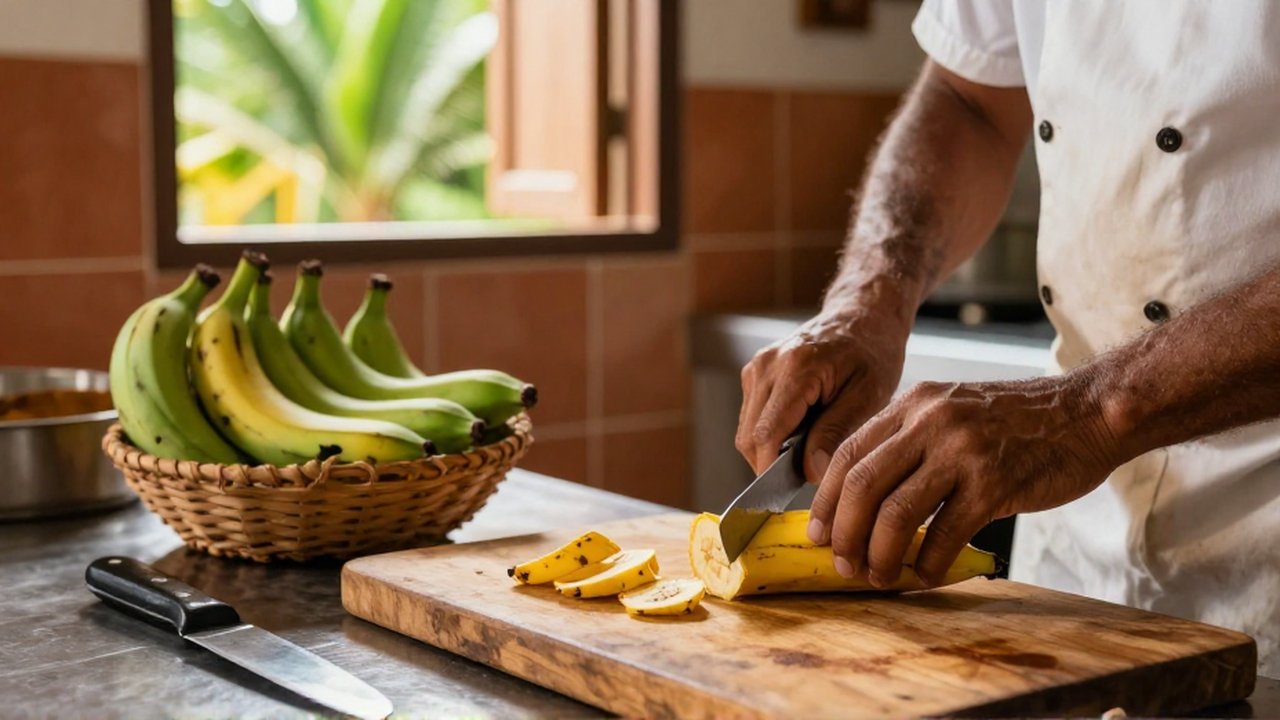
The true genius of the plantain lies in its versatility. Depending on its stage of ripeness and the cooking technique applied, a single plantain can transform into entirely different culinary experiences. This adaptability allows it to appear in breakfast, lunch, and dinner, as well as in snacks and side dishes.
| Ripeness Level | Cooking Method | Resulting Dish/Texture |
|---|---|---|
| Green (Unripe) | Boiling | Mangú (mashed with butter/oil) |
| Green (Unripe) | Frying | Tostones or Patacones (savory, crunchy) |
| Yellow (Ripe) | Frying | Plátanos maduros (sweet, caramelized) |
| Yellow (Ripe) | Boiling | Soft, sweet side dish |
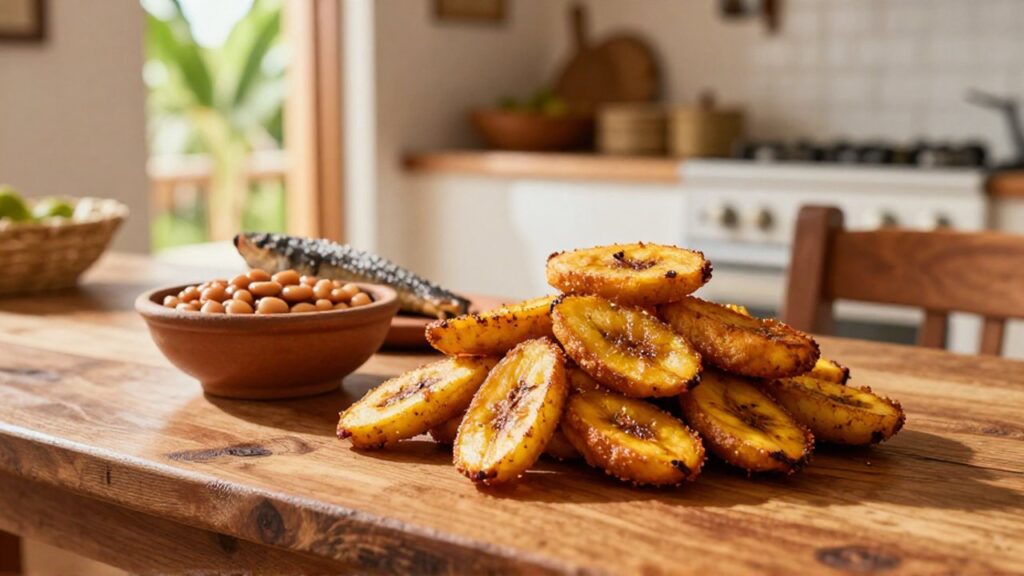
In the Dominican Republic, the most iconic preparation is undoubtedly Mangú. This dish, consisting of boiled green plantains mashed with water or milk and topped with pickled onions, is a cornerstone of the traditional Dominican breakfast. Beyond Mangú, the crunchy texture of tostones provides a savory contrast to meats and beans, while sweet fried ripe plantains offer a sugary complement to salty dishes.
Cultural identity and social connection
Beyond nutrition and flavor, the plantain is woven into the social fabric of the Dominican Republic. It is a common thread that connects urban centers to rural farming communities. The act of preparing plantains—whether it is the rhythmic mashing of Mangú in a morning household or the communal frying of tostones during a family gathering—is a ritual that reinforces cultural bonds.
The plantain also represents resilience and adaptation. It is an ingredient that has survived historical shifts and economic changes, remaining a constant in a changing world. For the Dominican diaspora living abroad, the scent of frying plantains is often a powerful sensory link to their homeland, serving as a vital piece of emotional and cultural heritage.
Frequently asked questions
What is the main difference between a banana and a plantain? While they belong to the same family, bananas are usually eaten raw and are much sweeter, whereas plantains are starchier and are almost always cooked before consumption.
Why are green plantains used for Mangú? Green plantains have a lower sugar content and a higher starch content, which allows them to be mashed into a smooth, savory consistency without becoming overly sweet.
Is the plantain considered a fruit or a vegetable in Dominican cooking? While botanically a fruit, in Dominican culinary practice, the plantain is treated and categorized as a starchy vegetable due to its savory application and nutritional role.
Can plantains be eaten raw? It is not common or recommended to eat plantains raw due to their high starch content and firm texture; they are much more palatable and digestible once cooked.
Leave a Reply