
How many calories are in Dominican sweet milk pudding
Introduction
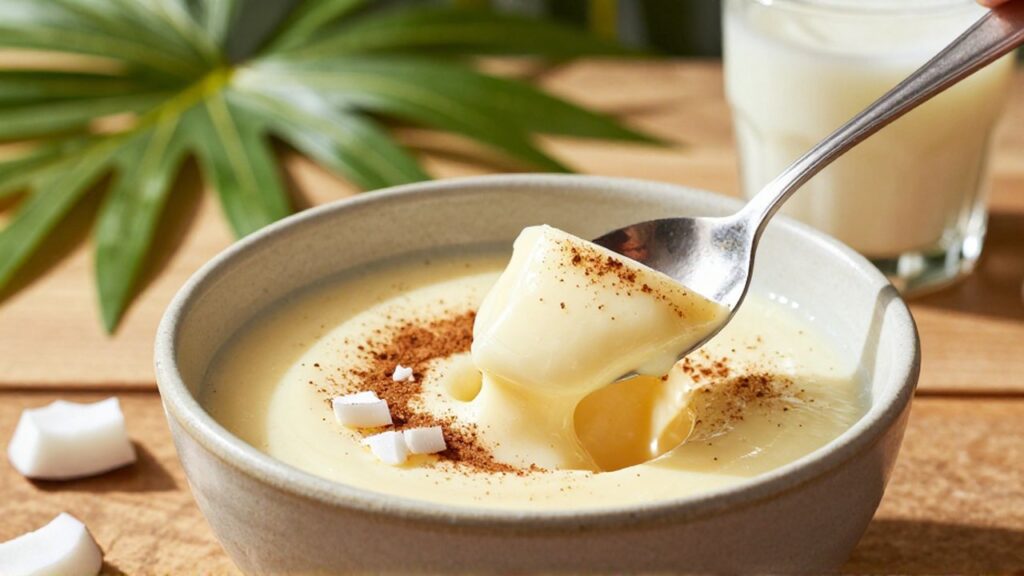
Dominican sweet milk pudding, often known as tembleque, is a beloved traditional dessert in the Dominican Republic. This creamy, silky custard is primarily made from coconut milk, cornstarch, and sugar, creating a unique texture that slightly trembles when served. It is a staple at family celebrations, holidays, and religious gatherings, representing the rich culinary heritage of the Caribbean. Understanding its nutritional composition is essential for those who wish to enjoy this cultural treasure while maintaining a balanced diet or monitoring their daily energy intake.
Calculating the calories in this dessert is important because the ingredients used are highly energy-dense. High levels of fats from coconut milk and carbohydrates from sugar and cornstarch contribute to a significant caloric load per serving. While it is a source of quick energy and provides a sense of comfort, mindful consumption is recommended for individuals tracking their macronutrient balance. This article provides a detailed breakdown of the caloric content and the factors that influence the nutritional profile of this classic sweet.
Caloric content of typical servings
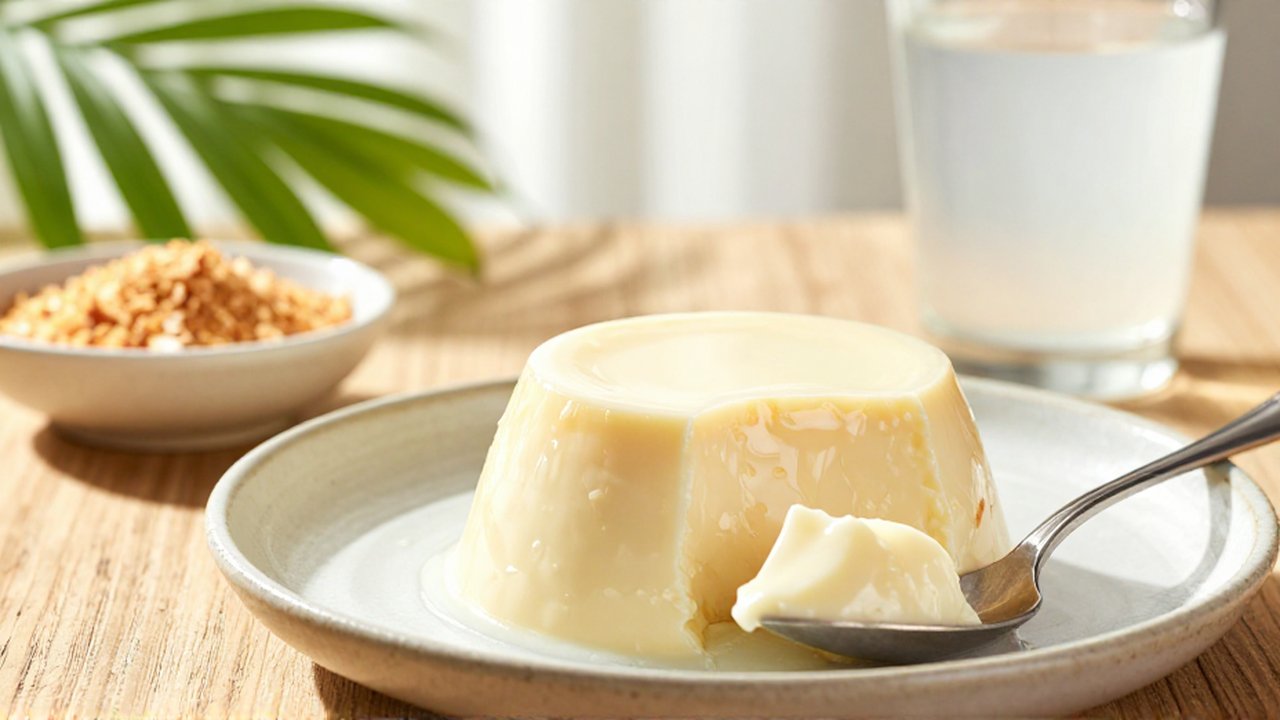
The number of calories in Dominican sweet milk pudding varies depending on the serving size and the specific ratio of ingredients used in the recipe. Because the dessert is quite rich, even a small portion contains a notable amount of energy.
On average, a standard serving of approximately 100 grams of tembleque contains between 200 and 280 calories. A larger portion, such as a typical dessert bowl seen at gatherings, can easily reach 350 to 450 calories. The variation in these numbers is primarily driven by the concentration of coconut milk and the amount of added sugar.
| Serving Size | Estimated Calories | Primary Macronutrient |
|---|---|---|
| Small portion (approx. 50g) | 110 - 140 kcal | Carbohydrates/Fats |
| Standard portion (approx. 100g) | 200 - 280 kcal | Carbohydrates/Fats |
| Large portion (approx. 150g) | 300 - 420 kcal | Carbohydrates/Fats |
Ingredients and their nutritional impact
To understand why the calorie count is relatively high, one must look at the core components of the recipe. Each ingredient plays a specific role in both the texture and the caloric density.
Coconut Milk Coconut milk is the base of the pudding and the primary source of fats. It is rich in medium-chain triglycerides (MCTs), which are fats that provide dense energy. The fat content in coconut milk significantly raises the calorie count compared to dairy-based puddings.
Sugar Sugar serves as the sweetener and helps in the preservation and flavor profile. As a pure carbohydrate, sugar adds "empty calories," meaning it provides energy without significant micronutrients. The higher the sweetness level, the higher the glycemic load and caloric density.
Cornstarch Cornstarch is the thickening agent that gives the pudding its signature consistency. As a refined starch, it is a concentrated source of carbohydrates. While essential for the structure, it adds to the total carbohydrate count of every spoonful.
Factors affecting total calories
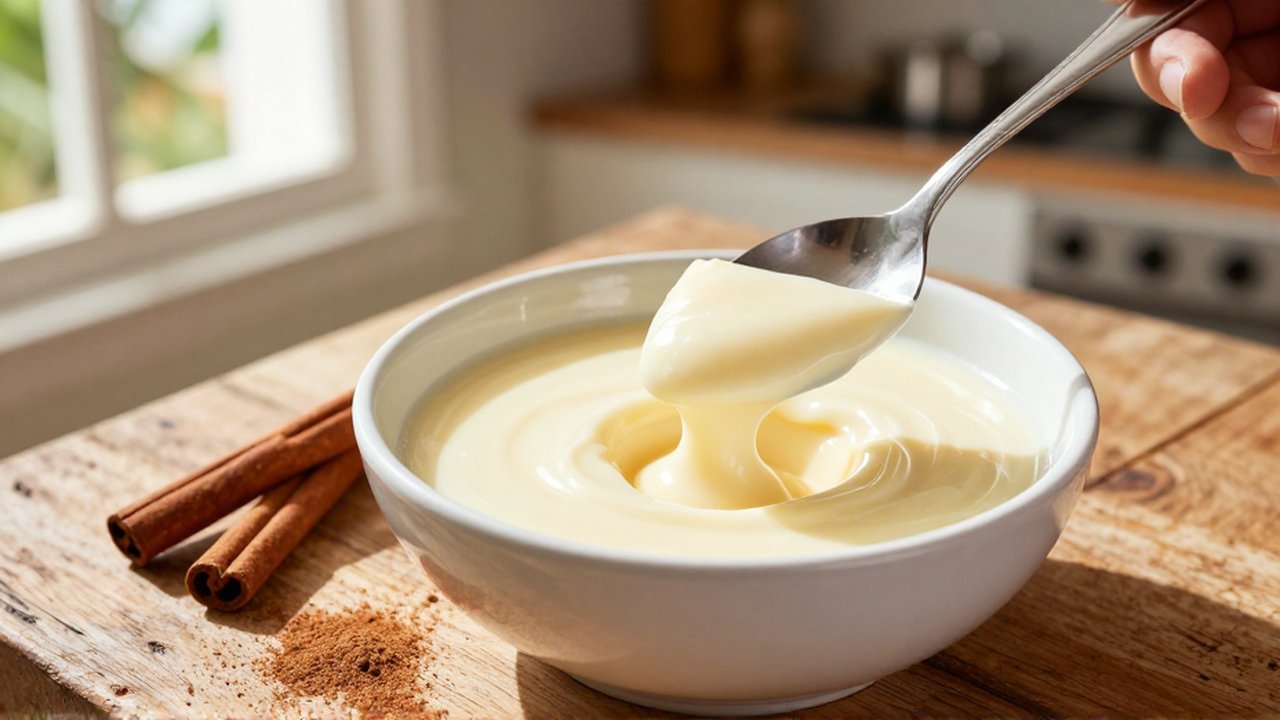
Several variables can change the nutritional profile of the dessert, making it difficult to provide a single, universal number.
Recipe variations Traditional recipes may vary by household. Some families might use a higher ratio of coconut milk to water to achieve a creamier texture, which increases the fat and calorie content. Others may use a more diluted version, which lowers the energy density.
Added toppings In some variations, the pudding is served with additional toppings such as cinnamon, raisins, or even extra coconut flakes. While cinnamon has negligible calories, dried fruits like raisins are concentrated sugar sources that can increase the total caloric value of the meal.
Serving density The way the pudding is prepared also matters. A very thick, dense custard will have more calories per cubic inch than a lighter, more liquid version of the same dessert.
Tips for mindful consumption
Enjoying Dominican sweets does not necessarily require strict avoidance, but rather informed moderation. If you are monitoring your caloric intake, consider the following approaches:
- Portion control: Use smaller bowls or ramekins to keep serving sizes consistent and manageable.
- Frequency: Treat the pudding as an occasional indulgence rather than a daily snack.
- Balance: Pair a small portion of the dessert with a meal that is high in fiber and protein to help regulate blood sugar responses.
- Homemade adjustments: If making the dessert at home, you can experiment with reducing the sugar content or using a slightly lighter coconut milk to lower the overall calorie density.
Frequently asked questions
Is Dominican sweet milk pudding high in fat? Yes, because the primary liquid base is coconut milk, the dessert is naturally higher in fat compared to many other milk-based puddings.
Is this dessert suitable for a low-carb diet? Due to the presence of both cornstarch and sugar, this dessert is high in carbohydrates and would generally not be considered suitable for strict low-carb or ketogenic diets.
Does coconut milk provide nutritional benefits? While high in calories, coconut milk does provide certain fats that are easily metabolized for energy, though it should be consumed in moderation within a balanced diet.
Can I make a lower-calorie version? You can reduce the calories by using less sugar or by using a mixture of coconut milk and water, though this may alter the traditional creamy texture.
Leave a Reply