How to reduce sodium in traditional Dominican stews
Introduction
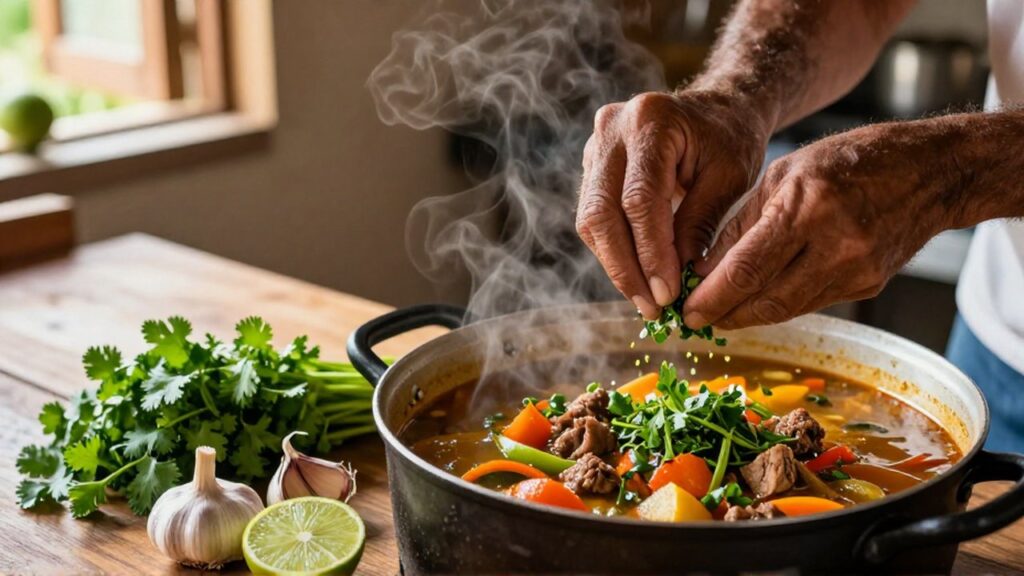
Dominican stews, such as Sancocho or Locrio, are the heart of Caribbean culinary heritage, offering deep, comforting flavors through slow-simmered meats and tubers. However, many traditional recipes rely heavily on salt and processed flavor enhancers to achieve their signature savory profile. Reducing sodium is essential for managing blood pressure and cardiovascular health without sacrificing the soul of these beloved dishes.
Learning to lower sodium levels is particularly important for individuals following dietary restrictions or those looking to improve their long-term nutritional habits. By substituting salt with aromatic foundations and natural acidity, you can maintain the complexity of the stew while making it significantly healthier for your daily diet.
Replace bouillon cubes with natural aromatics
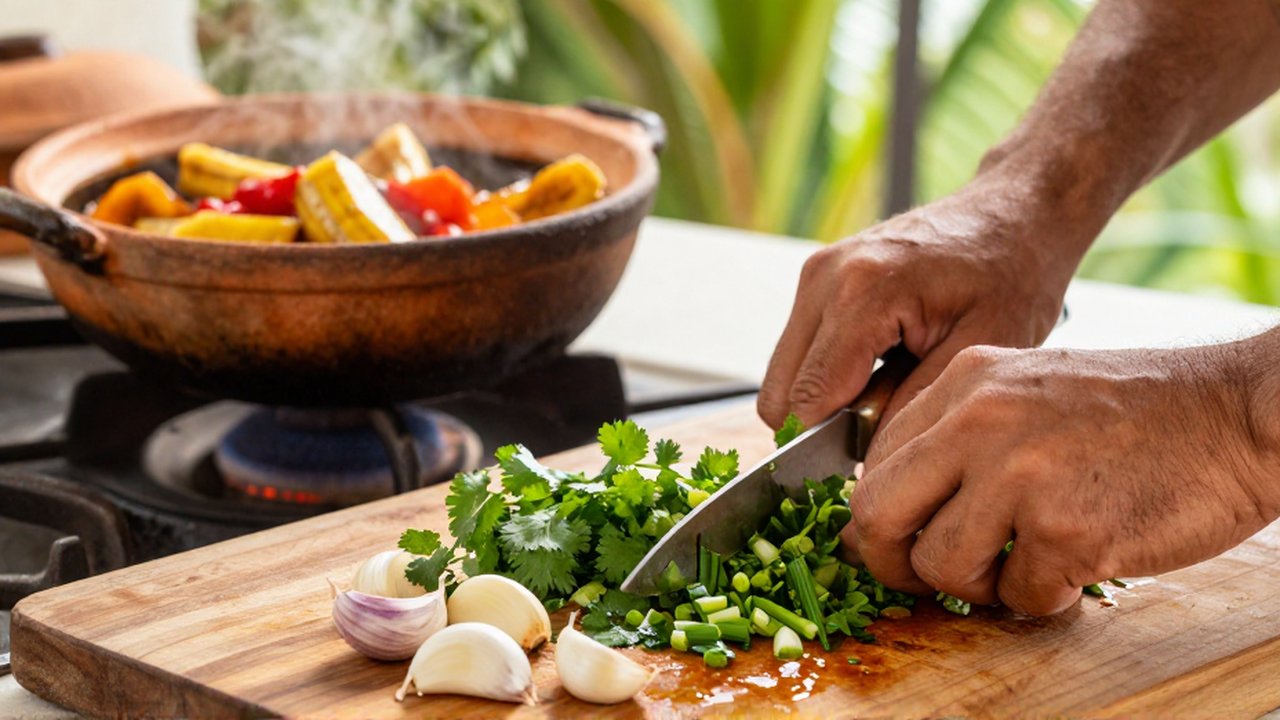
One of the most common sources of hidden sodium in Dominican cooking is the use of processed bouillon cubes or concentrated salty broths. These products are often composed mostly of salt and additives. To reduce sodium effectively, you should shift your focus toward building a "sofrito" base that provides flavor through depth rather than salinity.
Instead of reaching for a cube, start your stew by sautéing a generous amount of fresh ingredients. A traditional Dominican sofrito typically includes garlic, onions, bell peppers, and cilantro. To elevate the flavor profile without salt, consider adding:
- Fresh Herbs: Increase the amount of cilantro, oregano, or even fresh thyme.
- Alliums: Use more garlic and scallions than the recipe calls for to create a pungent, flavorful base.
- Spices: Incorporate cumin, smoked paprika, or dried oregano to add complexity that mimics the "savory" sensation people often seek from salt.
Use acidity to enhance salt perception
A professional culinary secret for reducing sodium is the strategic use of acid. When a dish tastes "flat," the instinctive reaction is to add more salt. However, adding an acidic component can brighten the flavors and trick the palate into perceiving more intensity, reducing the need for sodium.
In Dominican stews, you can introduce acidity at different stages of the cooking process. A squeeze of fresh lime juice or a small splash of vinegar added just before serving can cut through the richness of meat-based stews like Sancocho. This brightness highlights the natural sweetness of the tubers (like yuca or malanga) and the earthiness of the beans, making the overall dish feel complete and well-seasoned without the heavy hand of salt.
Optimize ingredient selection and preparation
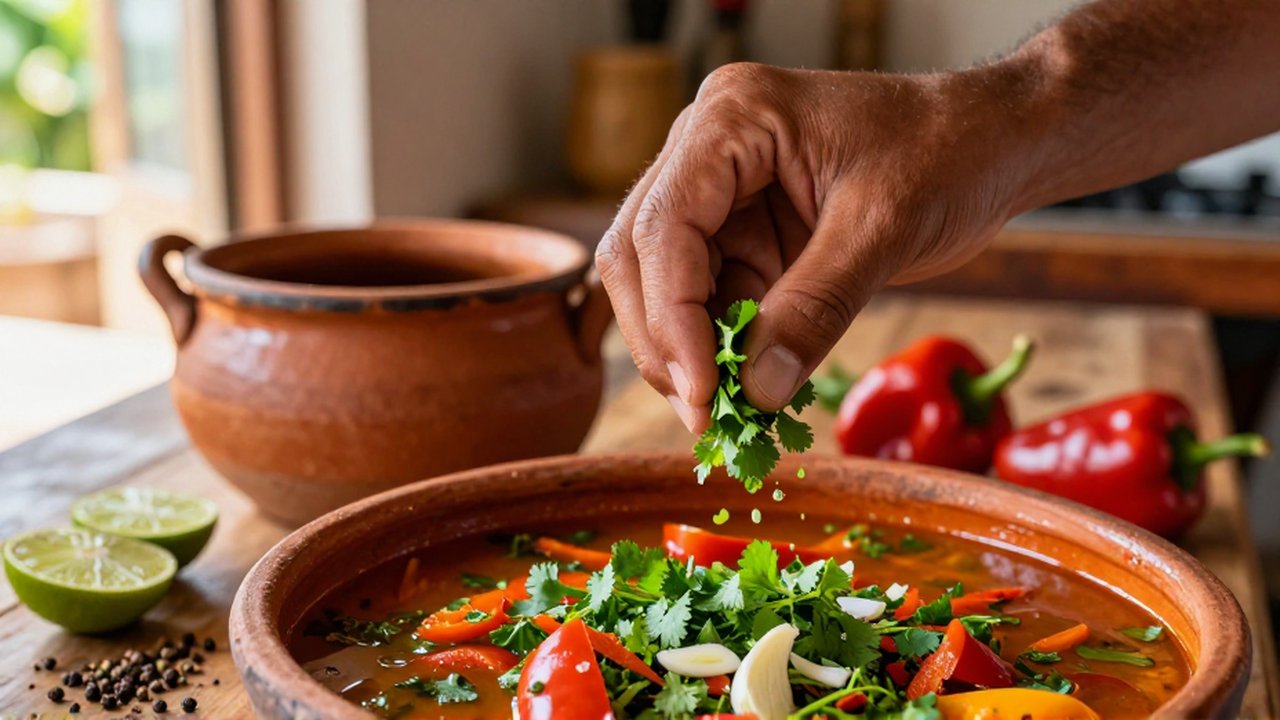
The way you handle your proteins and legumes significantly impacts the final sodium content of your meal. Many traditional stews use salted meats or canned goods, which are immediate sodium spikes. Moving toward whole, unprocessed ingredients is the most effective way to gain control over your nutrition.
| Ingredient Type | High-Sodium Version | Low-Sodium Alternative |
|---|---|---|
| Proteins | Salted pork, cured meats, canned tuna | Fresh chicken, beef, or pork cuts |
| Legumes | Canned beans in brine | Dried beans soaked overnight |
| Vegetables | Pre-seasoned or pickled vegetables | Fresh bell peppers, onions, and tubers |
When working with dried beans, avoid adding salt during the boiling process. Instead, season the broth at the very end of the cooking time. This allows you to control exactly how much seasoning is needed. Furthermore, if you use any processed items, always rinse them thoroughly under cold water to wash away excess surface salt.
Common mistakes to avoid when lowering salt
When transitioning to a lower-sodium diet, several frequent mistakes can undermine your efforts or result in unpalatable food. Avoid the temptation to simply remove salt without replacing the flavor profile; a salt-free stew often tastes hollow and uninspiring. Always aim for "flavor replacement" rather than "flavor removal."
Another mistake is relying on "low-sodium" packaged seasonings that are still high in other additives. Reading labels is crucial. Furthermore, many people make the mistake of adding salt too early in the cooking process. If you wait until the stew has reduced and the flavors have concentrated, you will realize you need much less salt than if you had seasoned a large pot of water at the beginning.
Frequently asked questions
Can I still use oregano in my stews if I am reducing salt? Yes, oregano is a staple in Dominican cooking and is actually highly recommended. It provides a strong, earthy aroma that helps distract the palate from the absence of salt.
Does soaking beans help reduce sodium? Soaking dried beans is a great way to prepare them for low-sodium cooking. While it doesn't remove salt from canned beans (rinsing does that), it prepares traditional ingredients for a flavor-first approach using spices instead of salt.
Will my family notice the difference in taste? If you replace salt with a strong sofrito and fresh herbs, the change in flavor profile is often perceived as "richer" rather than "less salty." The key is to increase the volume of aromatics to compensate for the reduction in sodium.
Leave a Reply