
Which Dominican foods are highest in magnesium
Introduction
Magnesium is an essential mineral that plays a vital role in hundreds of biochemical reactions within the human body. It is fundamental for maintaining healthy muscle and nerve function, regulating blood pressure, supporting the immune system, and ensuring proper bone density. Because the body cannot produce this mineral on its own, it must be obtained through a consistent and diverse diet to prevent deficiencies that can lead to fatigue or muscle cramps.
For those living in or enjoying the culinary traditions of the Dominican Republic, finding magnesium-rich foods is quite intuitive. The local diet is heavily based on natural, whole ingredients such as legumes, seeds, tropical fruits, and tubers. By understanding which traditional staples provide the highest concentration of this mineral, you can easily optimize your nutritional intake without departing from the delicious flavors of Dominican cuisine.
High magnesium legumes and grains
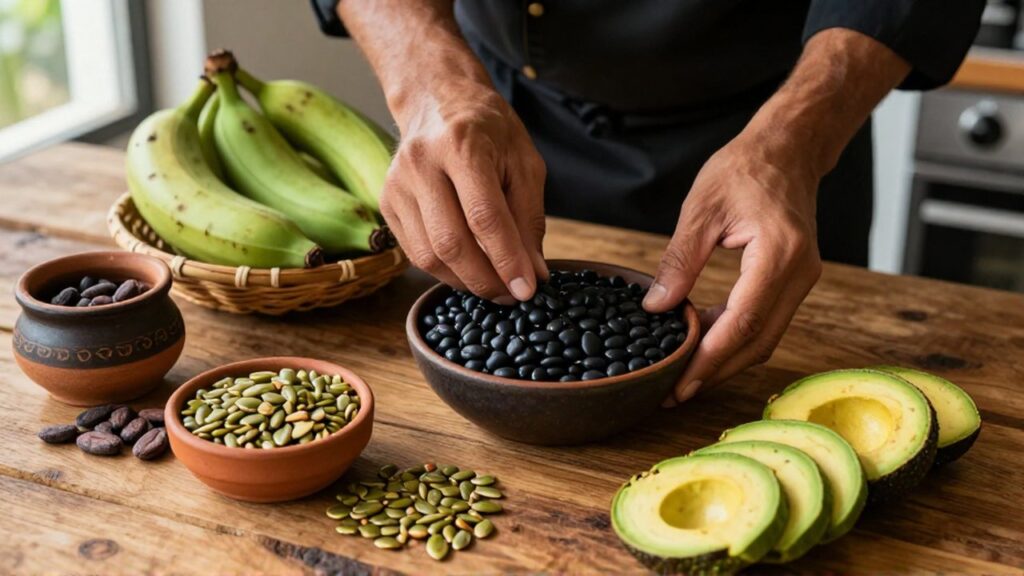
Legumes are the backbone of the Dominican diet and serve as one of the most reliable sources of magnesium. The most prominent example is the habichuela (beans). Whether they are red, black, or kidney beans, these legumes are nutritional powerhouses. Incorporating a bowl of habichuelas guisadas into your daily or weekly meal plan provides a significant dose of magnesium along with essential fiber and protein.
Grains also play a crucial role. While white rice is a staple, opting for whole-grain varieties or incorporating more traditional grains can boost mineral intake. Auyama (pumpkin) is another fantastic addition to the diet; when prepared in soups or stews, it contributes not only vitamins but also a helpful mineral profile. For those seeking a natural breakfast boost, incorporating seeds often found in local markets can significantly raise magnesium levels.
Tropical fruits and magnesium content
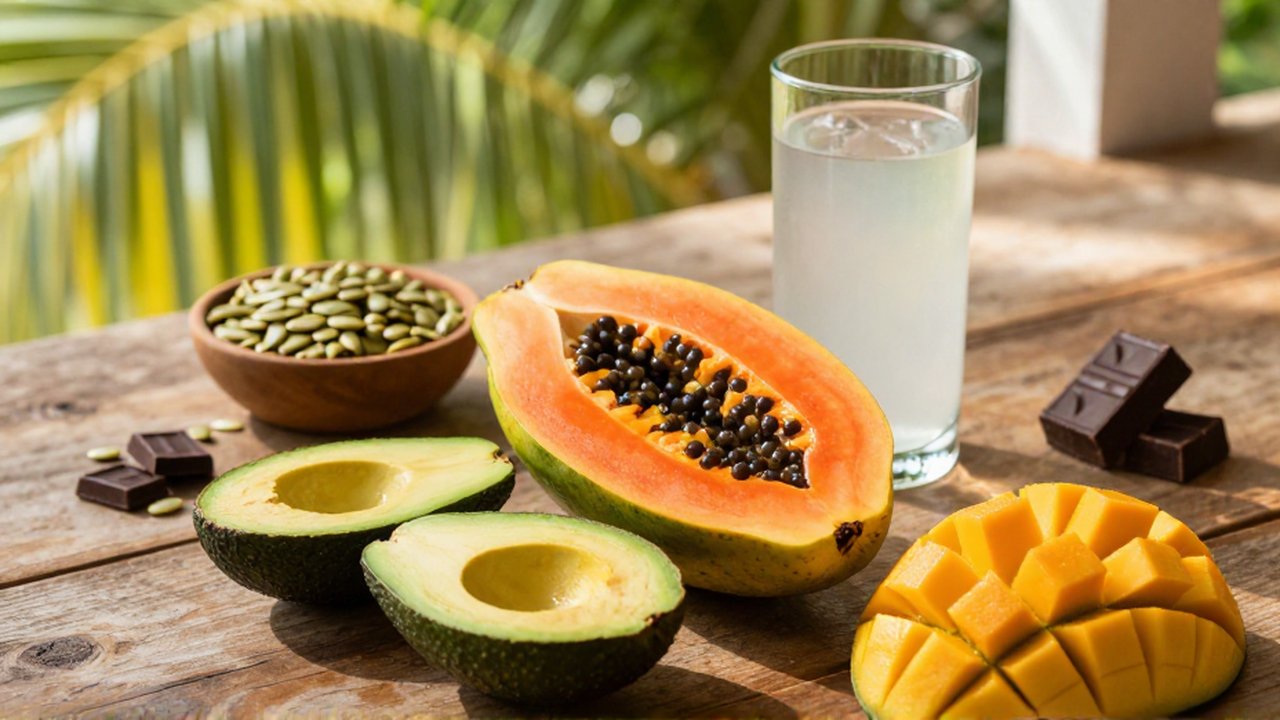
The Dominican Republic is blessed with a vast array of tropical fruits that are much more than just sweet treats. Many of these fruits contain essential minerals that support metabolic health.
- Avocado (Aguacate): This is perhaps one of the best sources of magnesium available in the local markets. Because avocados are rich in healthy fats and minerals, they are an excellent addition to any meal, whether eaten sliced in a salad or used to make a creamy dressing.
- Banana (Guineo): While often cited for potassium, bananas also contain a respectable amount of magnesium, making them a convenient snack for maintaining energy levels throughout the day.
- Papaya (Lechosa): This tropical fruit is excellent for digestion and contributes to a well-rounded mineral intake when consumed fresh.
Seeds and nuts in local cuisine
While large quantities of nuts are not always the centerpiece of a traditional meal, they are frequently used in snacks or as additions to various preparations. Cashew nuts (Marañones), which are native to the region, are particularly high in magnesium. Consuming these as a snack or incorporating them into sauces provides a dense source of nutrition.
Additionally, many traditional recipes utilize seeds. Making sure to include a variety of plant-based fats and protein sources through seeds can help ensure you meet your daily requirements. These small additions can have a large impact on your overall mineral bioavailability.
Comparison of magnesium rich Dominican staples
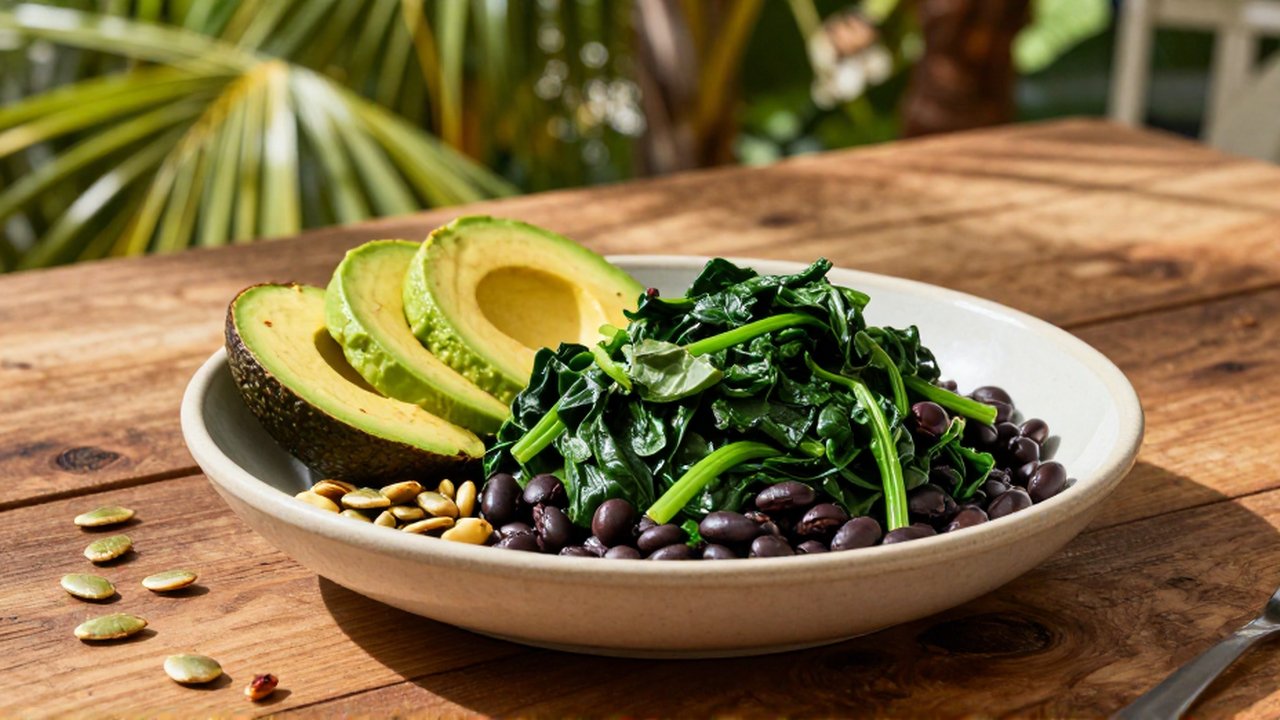
The following table provides a general guide to which common Dominican food groups offer the most nutritional value regarding magnesium.
| Food Group | Examples | Nutritional Benefit |
|---|---|---|
| Legumes | Red beans, Black beans, Lentils | High fiber and steady mineral release |
| Fruits | Avocado, Banana, Papaya | Healthy fats and enzymatic support |
| Nuts/Seeds | Cashews, Pumpkin seeds | Highly concentrated mineral density |
| Vegetables | Spinach, Auyama (Pumpkin) | Micronutrient richness and antioxidants |
Tips for maximizing mineral absorption
To get the most out of these magnesium-rich foods, it is important to consider how they are prepared. For instance, soaking legumes before cooking them can help reduce phytates, which are compounds that can sometimes interfere with mineral absorption.
Focusing on a "whole food" approach is the most effective strategy. Instead of relying on processed foods, which often have minerals stripped away during manufacturing, prioritize the fresh produce and dried legumes found in local Dominican markets. Combining these foods with a balanced diet that includes a variety of colors and textures will ensure a broad spectrum of nutrients.
Frequently asked questions
Can I get enough magnesium from a traditional Dominican diet? Yes, because the diet is rich in beans, avocados, and tropical fruits, it is very easy to meet magnesium requirements by eating whole, unprocessed foods.
Is cuisson (cooking) of beans necessary for magnesium? Yes, cooking beans is essential for safety and digestion, and while some minerals can leach into cooking water, much of the magnesium remains within the legume.
Are avocados better than beans for magnesium? Both are excellent, but they serve different roles. Beans provide more fiber and protein, while avocados provide healthy fats. A combination of both is ideal for nutritional balance.
Which fruit is the easiest snack for magnesium? A banana or a small portion of avocado is a very convenient, portable, and effective way to consume magnesium on the go.
Leave a Reply