
Calorie estimation for Dominican avocado and salt salads
Introduction
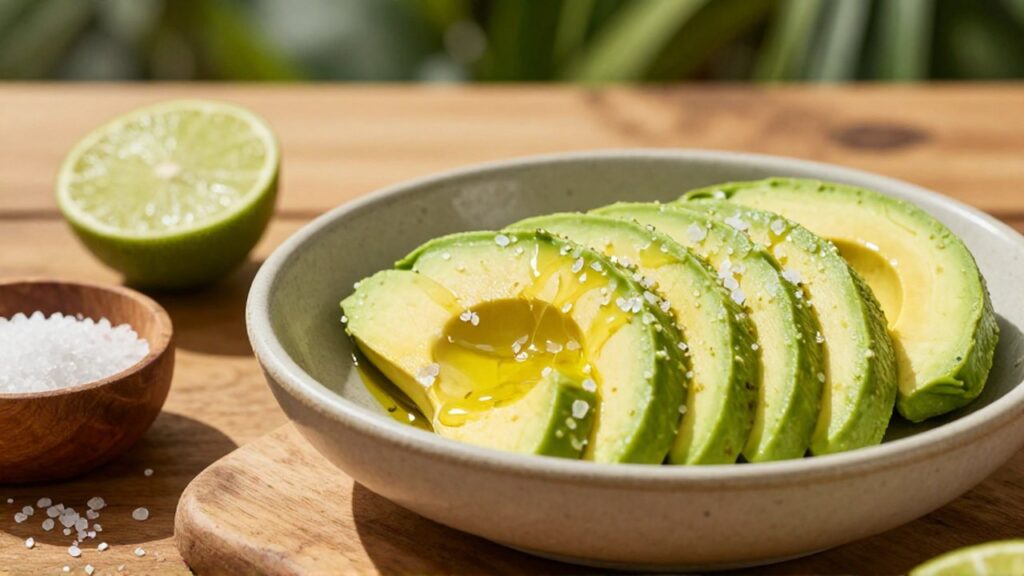
The Dominican avocado and salt salad, known locally as ensalada de aguacate, is a cornerstone of Caribbean gastronomy. While remarkably simple, consisting primarily of ripe avocado slices, salt, and sometimes a touch of lime or onion, it serves as a vital nutritional component in many traditional meals. For those managing their caloric intake or monitoring macronutrient balance, understanding the energy density of this dish is essential for maintaining a healthy lifestyle without sacrificing cultural flavors.
Estimating the calories in this salad is particularly useful for individuals tracking their daily nutritional goals or those following specific dietary patterns like the Mediterranean or ketogenic diets. Because the ingredients are whole and unprocessed, the calorie count remains relatively predictable, provided one accounts for the varying sizes of the fruit and the potential use of added oils. This guide provides a clear breakdown to help you integrate this delicious staple into your meal planning with precision.
Nutritional profile of avocado
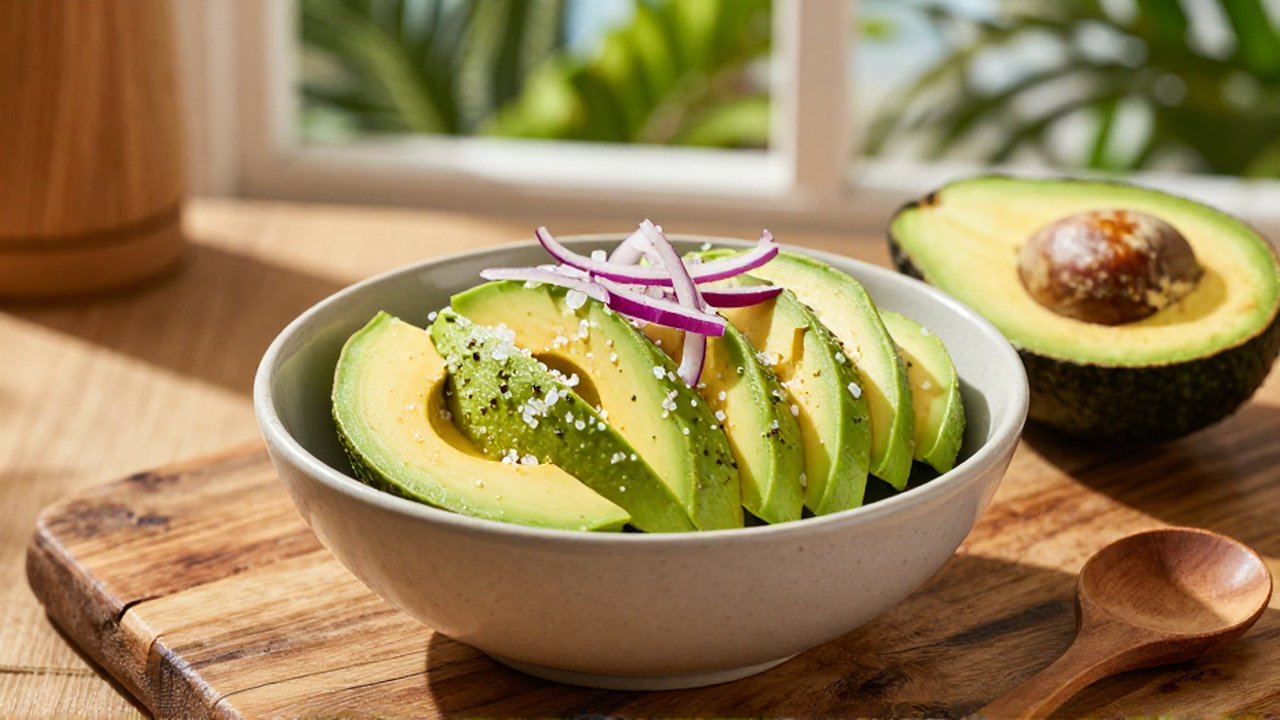
Avocados are unique among fruits because they are high in healthy fats rather than carbohydrates. In the context of a Dominican salad, the avocado provides the bulk of the caloric value. These fats are primarily monounsaturated, which are considered beneficial for heart health. However, because fats are more energy-dense than proteins or carbohydrates, the quantity of avocado consumed significantly impacts the total caloric load.
A medium-sized avocado typically contains a substantial amount of energy. When preparing a salad, it is important to recognize that the nutritional density depends heavily on the variety and ripeness of the fruit. While the fiber content is high—which aids in satiety and digestion—the calorie count remains high due to the lipid content. This makes the salad a filling option that can help prevent overeating during larger meals.
Calorie estimation by serving size
To accurately estimate the calories in a Dominican avocado and salt salad, one must consider the weight of the fruit used. Since the traditional preparation does not usually include heavy dressings, the calories come almost exclusively from the avocado itself.
Below is a general estimation based on standard portions:
| Portion Size | Approximate Weight | Estimated Calories |
|---|---|---|
| Small Portion | 50 grams | 80 kcal |
| Medium Portion | 100 grams | 160 kcal |
| Large Portion | 150 grams | 240 kcal |
| Whole Avocado | 200+ grams | 320+ kcal |
These figures assume a basic preparation of avocado, salt, and perhaps a small amount of lime juice. If you add extra ingredients, the numbers will shift accordingly.
Impact of additional ingredients
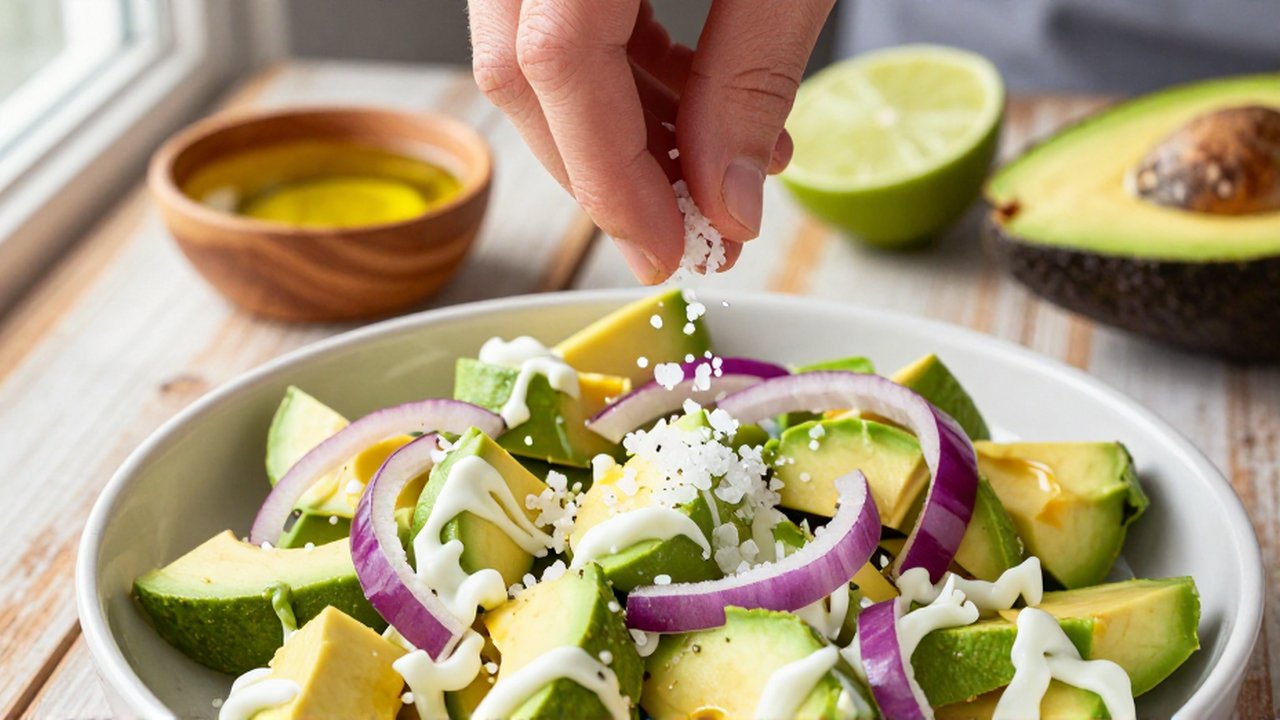
While the traditional "salt and avocado" method is very low in added calories, variations in Dominican households can change the nutritional profile. Adding other elements can transform the salad from a simple side dish into a more complex component of the meal.
Common additions and their caloric effects:
- Onion: Adding sliced red or white onions adds negligible calories but increases micronutrient density and flavor.
- Lime or Lemon Juice: These citrus additions are virtually calorie-free and are used to prevent oxidation (browning) and add acidity.
- Olive Oil: Drizzling a tablespoon of extra virgin olive oil can add approximately 120 calories to the dish.
- Vinegar: A splash of apple cider or white vinegar adds flavor with almost zero caloric impact.
When calculating your intake, always account for any oils or dressings used, as these are the most significant contributors to calorie increases beyond the fruit itself.
Tips for calorie management
Integrating avocado salad into a calorie-controlled diet does not require avoidance, but rather mindful portioning. Because of its high fat and fiber content, avocado can be a powerful tool for appetite control if consumed in the right amounts.
To manage calories effectively, consider serving the salad as a flavorful topping for proteins like grilled fish or chicken rather than a large standalone side. Using a smaller bowl or pre-weighing your avocado slices can prevent the "portion creep" that often happens with high-density foods. Additionally, leaning into the use of lime juice and onions instead of oils can keep the dish refreshing and light while maintaining the authentic Dominican flavor profile.
Frequently asked questions
Is avocado salad a high-calorie food? It is considered energy-dense due to the healthy fats in avocados. However, it is low in processed sugars and carbohydrates, making it a nutritious choice when portions are controlled.
How can I reduce the calories in my avocado salad? The most effective way is to avoid adding oils or heavy dressings. Stick to the traditional method of using salt, lime, and perhaps some onions to keep the calorie count strictly tied to the fruit.
Can I include this salad in a keto diet? Yes, because avocados are high in fats and relatively low in net carbohydrates, a traditional avocado and salt salad is an excellent fit for ketogenic meal plans.
Does the ripeness of the avocado affect the calories? The caloric content is determined by the fat and fiber content, which remains relatively stable regardless of ripeness, though the texture and ease of consumption will change significantly.
Leave a Reply