What is the significance of Dominican coffee culture
Introduction
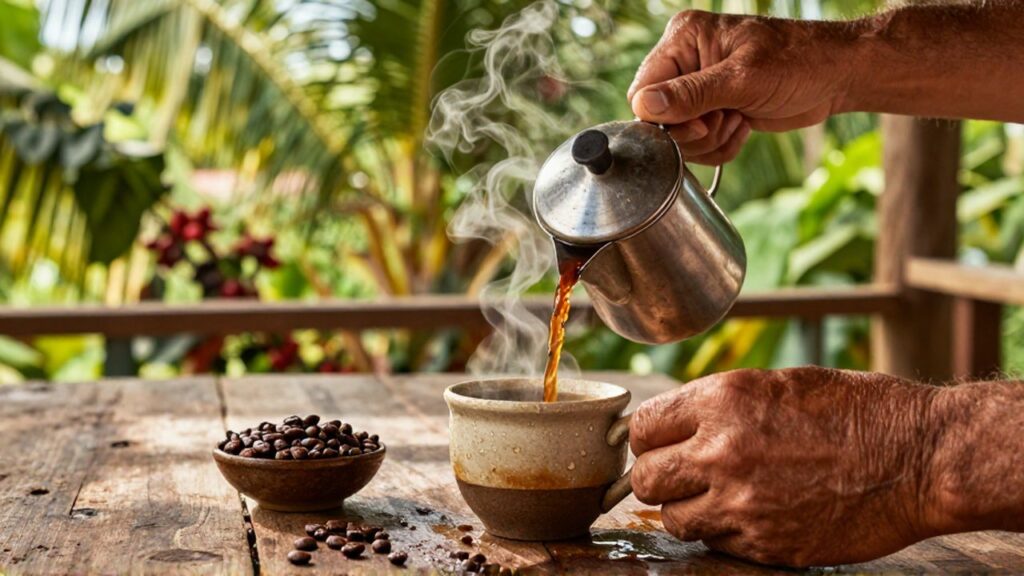
Dominican coffee culture is a profound social pillar that goes far beyond the simple act of consuming a caffeinated beverage. In the Dominican Republic, coffee serves as a fundamental medium for connection, hospitality, and daily ritual. It is a cornerstone of the island's agrarian identity, representing centuries of tradition passed down through generations from small-scale farmers to urban households.
Understanding this culture is essential for anyone wishing to grasp the true essence of Dominican social life. Coffee is present at almost every significant gathering, from the quiet moments of family breakfasts to the lively discussions in local plazas. It acts as a social lubricant, a gesture of welcome for guests, and a comforting constant in the rhythm of daily existence.
The historical roots of coffee in the Dominican Republic
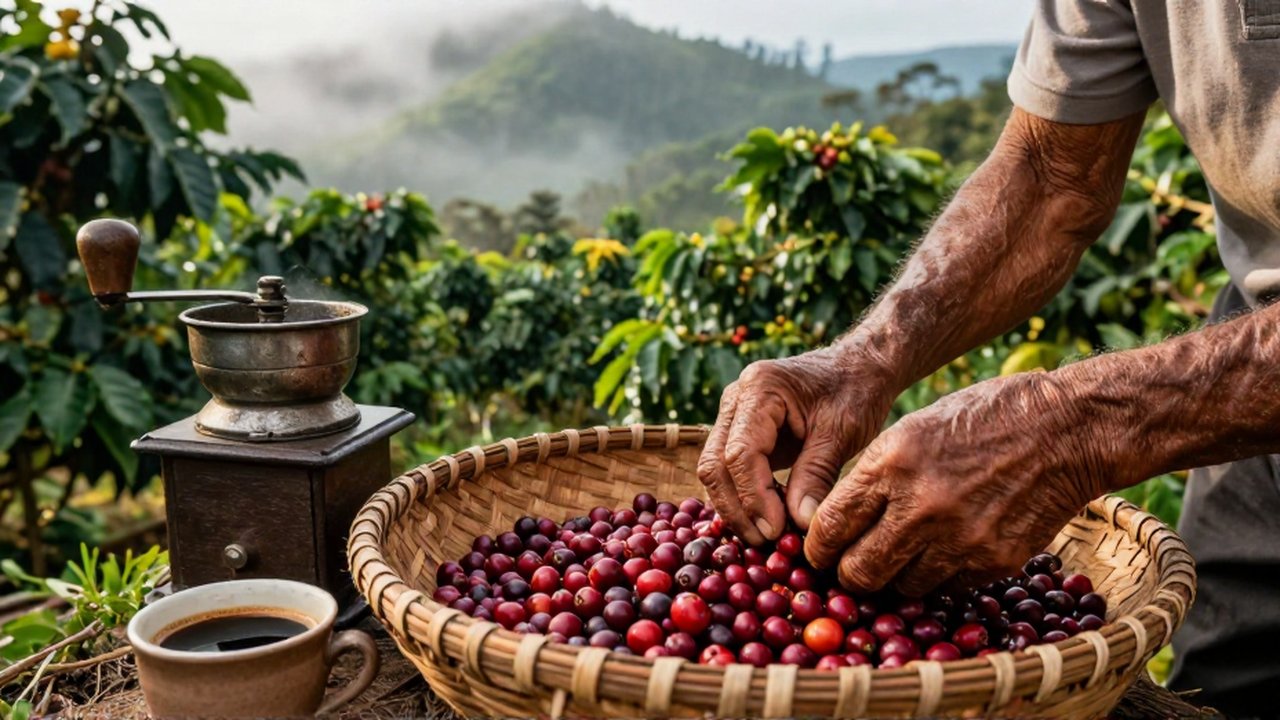
The cultivation of coffee in the Dominican Republic is deeply intertwined with the country's history and geography. High-altitude regions provide the perfect microclimate for growing premium Arabica beans, which have been a staple of the local economy for generations. Small family plots, often referred to as conucos, have historically been the primary source of production, fostering a culture of meticulous hand-harvesting and traditional processing.
This agricultural heritage has shaped the national identity. Unlike industrial coffee production seen in other parts of the world, much of the Dominican coffee tradition is rooted in artisanal methods. This connection to the land ensures that the flavor profiles remain distinct and that the knowledge of soil, shade, and harvest cycles is preserved within local communities.
Social rituals and the role of coffee in daily life
In Dominican society, offering a cup of coffee is a standard expression of hospitality. Whether a visitor enters a private home or a local business, the question of whether they would like some coffee is almost inevitable. This ritual serves several purposes:
- Hospitality: It signifies that a guest is welcome and valued.
- Connection: Coffee breaks provide a structured time for family members or colleagues to pause and engage in meaningful conversation.
- Comfort: Consuming coffee during the early morning or late afternoon is a way to ground oneself during the day's activities.
The "cafecito" is more than a drink; it is a social pause. In many neighborhoods, meeting at a local corner store or a small cafe to share a cup is a primary way that news is exchanged and community bonds are strengthened.
Traditional preparation and flavor profiles
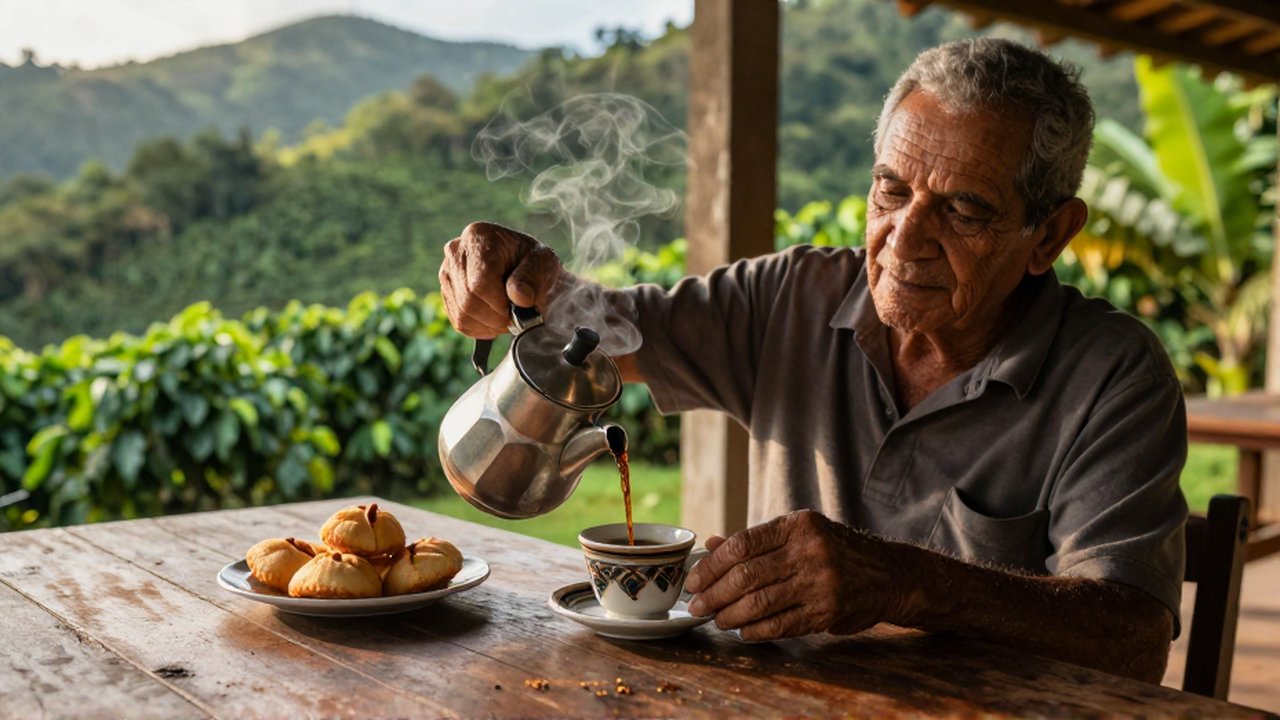
The way coffee is prepared in the Dominican Republic is specific and carries its own set of cultural expectations. While modern espresso machines and drip brewers are increasingly common in urban areas, the traditional method remains highly respected.
Traditional preparation often involves a stovetop pot, sometimes referred to as a colador method, where the coffee is brewed strongly. The profile of Dominican coffee is generally characterized by its medium to full body and a rich, aromatic quality. Depending on the specific region of origin, one might detect notes of chocolate, nuts, or subtle fruity undertones.
It is also common to find coffee served with a specific level of sweetness, often prepared with cane sugar, reflecting the tropical agricultural roots of the island. The balance between the intense strength of the brew and the sweetness of the sugar is a key element of the local palate.
Comparison of coffee consumption contexts
| Context | Primary Purpose | Common Accompaniments |
|---|---|---|
| Family Breakfast | Energy and tradition | Mangú, eggs, or local bread |
| Social Visits | Hospitality and conversation | Sweet pastries or local snacks |
| Work Breaks | Mental stimulation and rest | Minimal, often drunk black or with sugar |
| Street Vendors | Quick replenishment | Small pan dulce (sweet bread) |
Frequently Asked Questions
How is coffee typically served in Dominican homes? Coffee is most commonly served strong and hot, often using a stovetop method. It is frequently accompanied by sugar and is a standard offering for any guest who visits a household.
What makes Dominican coffee unique? The uniqueness comes from the combination of high-altitude Arabica beans, traditional artisanal processing methods, and a culture that treats coffee as a social ritual rather than just a quick caffeine fix.
Is coffee consumed at all times of the day? While it is most popular during breakfast and mid-afternoon, coffee is enjoyed throughout the day, especially during moments of social gathering or as a way to reset during work.
What are the most common flavor profiles? Dominican coffee is known for its rich, robust flavor, often featuring prominent notes of chocolate and toasted nuts, tailored to a preference for medium to full-bodied brews.
Leave a Reply