Nutritional profile of salted meat fats in Dominican food
Introduction
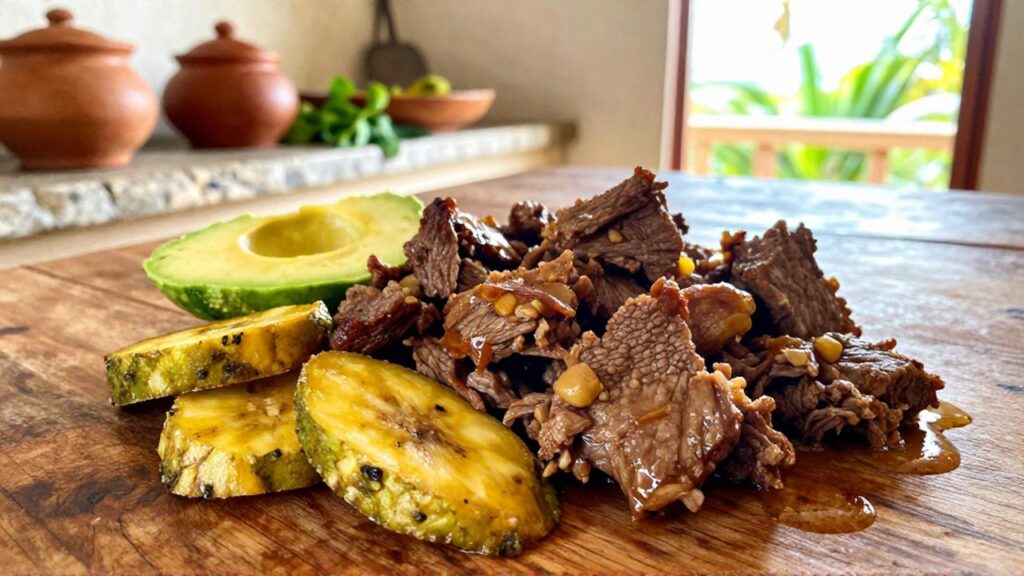
In Dominican culinary traditions, salted meats such as cecina or salted pork are fundamental ingredients used to provide deep, savory flavors to classic dishes like mangu or rice-based stews. Understanding the nutritional profile of the fats associated with these meats is essential for anyone looking to balance traditional flavors with modern dietary needs. These fats play a significant role in the caloric density and the overall lipid composition of the local diet.
Analyzing these fats matters because the preservation process of salting often alters how lipids are perceived and consumed within a meal. Since these products are concentrated through dehydration and salt addition, the proportion of fat to protein can vary significantly depending on the cut of meat used. Recognizing the nutritional implications allows for more informed meal planning and healthier preparation techniques in a Dominican kitchen.
Composition of fats in salted meats
The fats found in salted meats in the Dominican Republic are primarily composed of various types of lipids that provide both texture and flavor. Most traditional salted meats, such as salted beef or pork, contain a mixture of saturated fatty acids and monounsaturated fatty acids. The specific ratio depends heavily on the animal source and the degree of trimming performed before the salting process.
Saturated fats are a predominant component in these products, contributing to the firmness of the meat and the stability of the flavor during long cooking periods. While these fats are responsible for the characteristic mouthfeel of traditional Caribbean stews, they also increase the caloric density of the dish. Monounsaturated fats, which are generally considered more heart-friendly, are also present, though often in lower concentrations compared to the saturated portion.
Nutritional impact of the salting preservation process
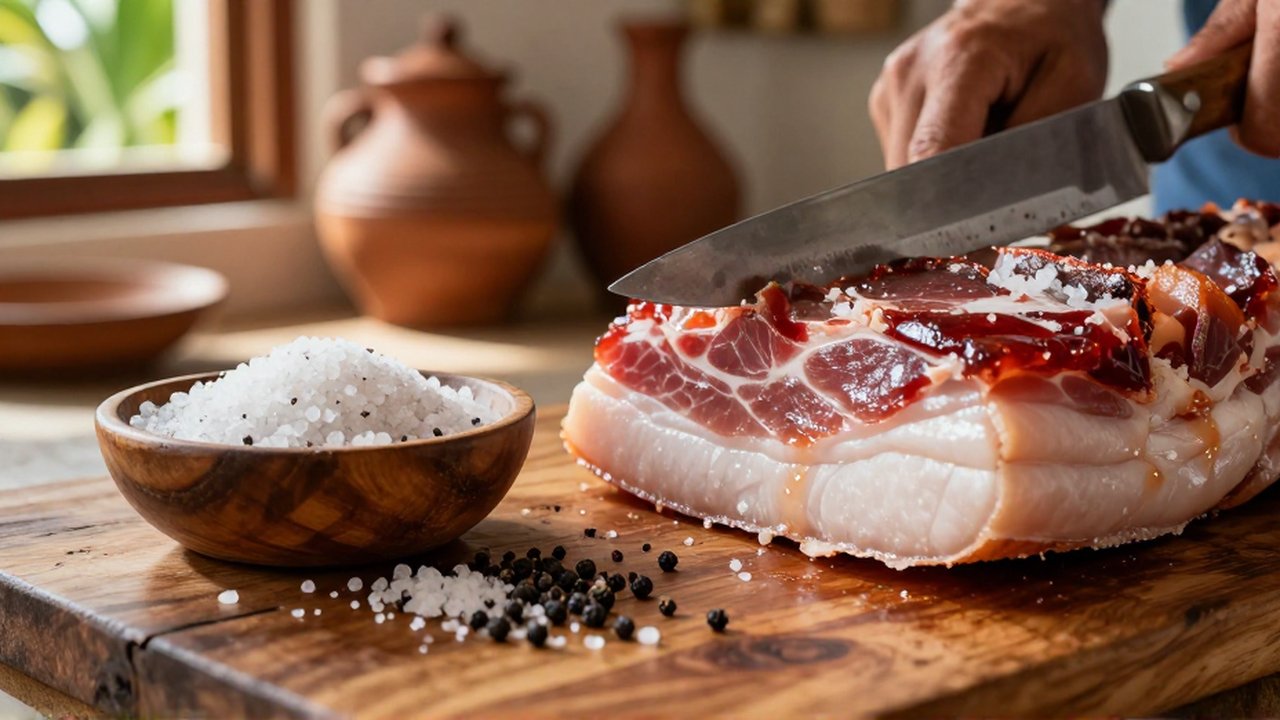
The process of salting does more than just preserve the meat; it creates a concentrated food matrix. When meat is salted, moisture is drawn out, which can lead to a higher concentration of both salt (sodium chloride) and fats per gram of finished product. This concentration means that even small portions of salted meat can contribute a significant amount of dietary fat and sodium to a single meal.
Furthermore, the way these fats interact with sodium is crucial. In many Dominican recipes, the fat from the meat is used as the primary cooking medium or is rendered out to flavor legumes and tubers. This integration means that the nutritional profile of the entire dish—not just the meat itself—is heavily influenced by the lipid content released during the cooking process.
Comparison of common salted meat lipids
The following table provides a general overview of how different types of salted meats typically contribute to the dietary fat profile in Dominican cooking:
| Meat Type | Primary Fat Characteristics | Culinary Role |
|---|---|---|
| Salted Pork | High saturated fat content | Provides richness to beans and stews |
| Salted Beef | Moderate to high fat depending on cut | Adds savory depth to rice dishes |
| Salted Cod/Fish | Generally lower in fat; higher in Omega-3 | Used for lighter, protein-focused meals |
Strategies for managing fat intake in traditional recipes
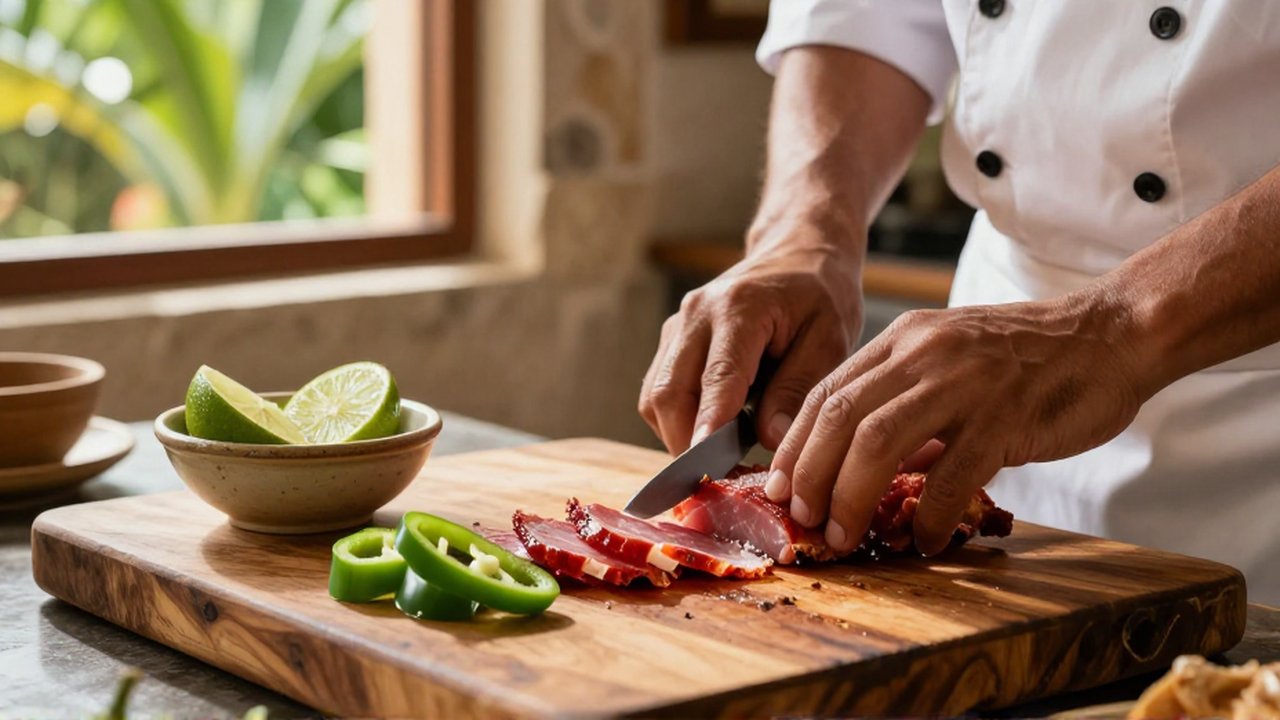
Cooking with salted meats does not necessarily mean sacrificing nutritional balance. There are several practical ways to manage the intake of fats and sodium while maintaining the authentic taste of Dominican cuisine.
One of the most effective methods is the desalting and skimming technique. By soaking the meat in water for several hours before cooking, much of the excess salt is removed. During the cooking process, if the meat is boiled, the rendered fat often rises to the surface. Skimming this layer off can significantly reduce the total fat content of the final dish.
Another approach involves pairing and portioning. Instead of using the salted meat as the main volume of the meal, it can be used as a flavor enhancer. Using smaller amounts of highly flavorful salted fat to season a large quantity of vegetables or grains allows for the preservation of traditional flavors with a lower overall lipid load.
Common mistakes in preparing salted meats
A frequent error in Dominican households is using the rendered fat from salted meats as the primary oil for frying other ingredients. While this adds immense flavor, it leads to an excessive accumulation of saturated fats in a single meal. It is often more nutritious to use a small amount of the rendered fat and supplement the rest with healthier plant-based oils.
Another mistake is neglecting to monitor the total fat content when combining salted meats with other high-fat ingredients, such as fried plantains (tostones). To maintain a balanced nutritional profile, if a meal includes salted meat fats, it is advisable to choose steamed or boiled side dishes rather than fried ones.
Frequently asked questions
Does salting meat change its fat content? Salting primarily removes water. While it doesn't change the chemical structure of the fat, it increases the concentration of fat per weight of the meat because the overall volume of the product decreases during dehydration.
Can I use salted meat fats to replace cooking oil? While you can use the rendered fat for flavor, it is a saturated fat. For nutritional balance, it is better used sparingly as a seasoning rather than as a total replacement for all cooking oils.
Is salted beef healthier than salted pork? Generally, beef tends to have a different fatty acid profile than pork, but the nutritional value depends entirely on the cut used. Leaner cuts of either meat will result in a lower fat profile regardless of the animal type.
How can I reduce the calories in a dish made with salted meat? Focus on removing the top layer of fat after boiling the meat and incorporate more fiber-rich vegetables to balance the meal, which helps with satiety and digestion.
Leave a Reply