
Tips for achieving perfect texture when steaming root vegetables
Introduction
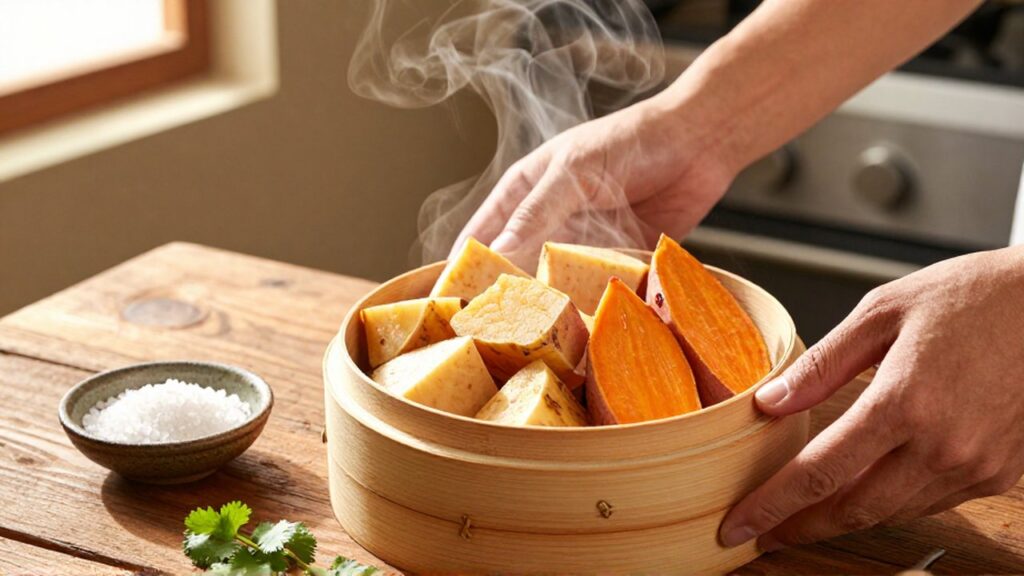
Steaming is one of the most effective methods for preparing root vegetables, as it preserves their natural nutrients, vibrant colors, and essential flavors. Unlike boiling, which can cause delicate minerals to leach into the water, steaming uses gentle, indirect heat to soften the vegetable's structure from the outside in. This technique is particularly important when working with starchy roots like cassava, sweet potatoes, or yams, where the goal is to achieve a creamy interior without making the exterior mushy or waterlogged.
Understanding the nuances of moisture control and heat distribution is vital for anyone looking to master this cooking style. Whether you are preparing a side dish for a traditional meal or experimenting with new flavors, achieving the right texture requires attention to detail regarding cutting sizes, timing, and heat intensity. When done correctly, steamed root vegetables offer a clean, earthy taste and a mouthfeel that ranges from tender-crisp to buttery smooth.
Importance of uniform cutting and preparation
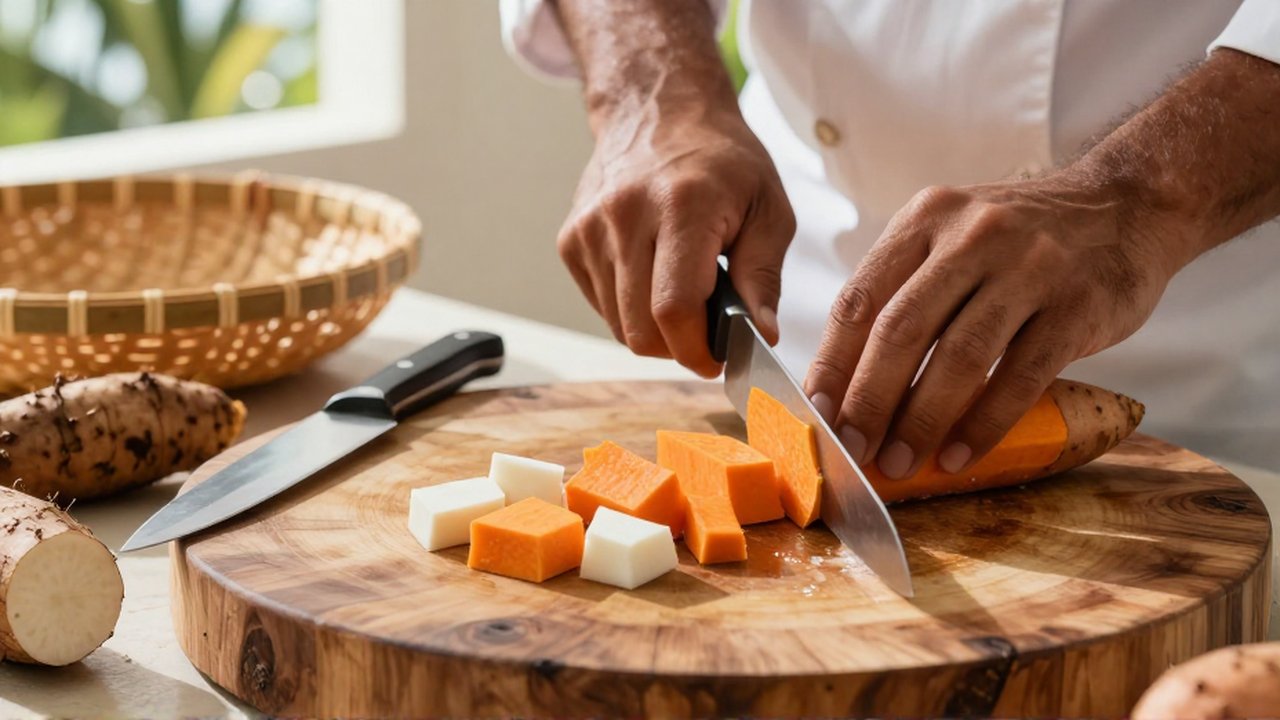
The most common mistake in steaming root vegetables is inconsistent sizing. Because steam surrounds the food, every piece of vegetable must be subjected to the same amount of heat for the same duration to ensure even cooking. If you place large chunks of yam next to thin slices of sweet potato, one will likely turn into a puree before the other is even tender.
To achieve perfection, always aim for uniform shapes. If you are cooking cubes, ensure they are roughly the same volume. For denser roots like malanga or taro, slicing them into even rounds or wedges is a better approach. Additionally, always peel the vegetables thoroughly before steaming unless the recipe specifically calls for skin-on preparation, as the skin can sometimes trap excess moisture against the flesh, leading to a soggy texture.
Managing water levels and steam intensity
A successful steaming process depends heavily on the amount of water in your steamer pot and the intensity of the heat. You must ensure there is enough water to create a steady flow of steam, but you must also prevent the water from touching the vegetables. If the water level is too high, the vegetables will essentially boil, destroying the light, airy texture that makes steaming superior.
Follow these guidelines for managing your steamer:
- Watch the water level: Always check the water halfway through the cooking process, especially if you are steaming dense roots that require longer durations.
- Maintain a steady simmer: Heat should be high enough to produce a continuous, vigorous steam, but not so high that the water boils violently and splashes into the steamer basket.
- Use a tight lid: Ensure your lid fits snugly to prevent steam from escaping, which can lead to uneven temperature fluctuations inside the pot.
Determining the perfect cooking time
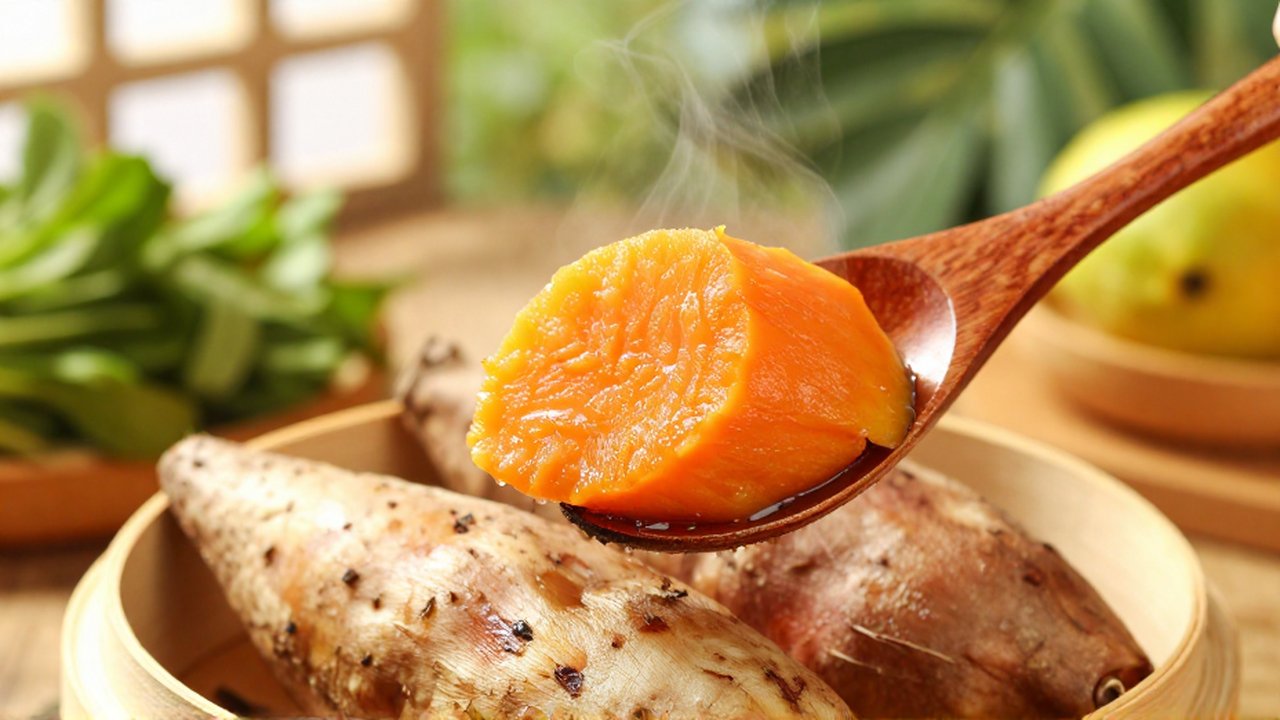
Cooking times for root vegetables vary significantly based on the type of vegetable and its density. Harder, starchier roots generally require more time, while smaller or more delicate varieties cook quickly. Using a timer is helpful, but relying solely on a clock is a mistake; you must learn to use sensory cues to determine when the vegetables are truly done.
| Vegetable Type | Texture Goal | Common Indicator |
|---|---|---|
| Starchy (Cassava, Yams) | Soft and creamy | A fork slides in with zero resistance |
| Sweet/Medium (Sweet Potato) | Tender but holding shape | Slight resistance at the center |
| Dense/Nutty (Malanga, Taro) | Smooth and velvety | Easily pierced but not falling apart |
A reliable method to test for doneness is the "fork-tender" test. Insert a fork or a paring knife into the thickest part of the vegetable. If it slides in smoothly and the vegetable yields easily when the fork is twisted slightly, it is ready. If the vegetable feels gummy or resists the fork, it needs more time.
Avoiding common texture pitfalls
Even with the right tools, certain errors can ruin the texture of your steamed roots. One major issue is overcooking, which transforms a beautifully textured vegetable into a water-saturated mass. This often happens when vegetables are left in the pot after the heat has been turned off. As soon as the vegetables reach the desired tenderness, remove them from the steamer immediately.
Another risk is "carry-over cooking." If you leave the vegetables in a closed pot with the heat off, the residual steam will continue to cook them, often leading to a mushy consistency. For the best results, transfer the cooked vegetables to a warm plate or a tray to allow excess steam to evaporate quickly. This helps set the texture and prevents them from becoming soggy while you prepare the rest of your meal.
Frequently asked questions
Can I steam different root vegetables at the same time? Only if they have similar cooking times. It is best to group vegetables with similar densities together. If you must mix them, start the denser vegetables first and add the faster-cooking ones later.
Why are my steamed vegetables sometimes watery or mushy? This usually happens because the water level was too high, causing the vegetables to boil, or because they were overcooked. Ensure the water stays below the steamer basket.
Does the type of steamer matter for texture? While any steamer works, a bamboo steamer provides very gentle, even heat, whereas metal steamers can be more intense. The key is ensuring the vegetables remain elevated above the boiling water.
How do I prevent starchy vegetables from sticking to the steamer basket? You can line your steamer basket with parchment paper (with holes poked in it) or large leaves of vegetables like banana leaves to create a non-stick barrier.
Leave a Reply