
How to clean and prepare fresh Caribbean red snapper
Introduction
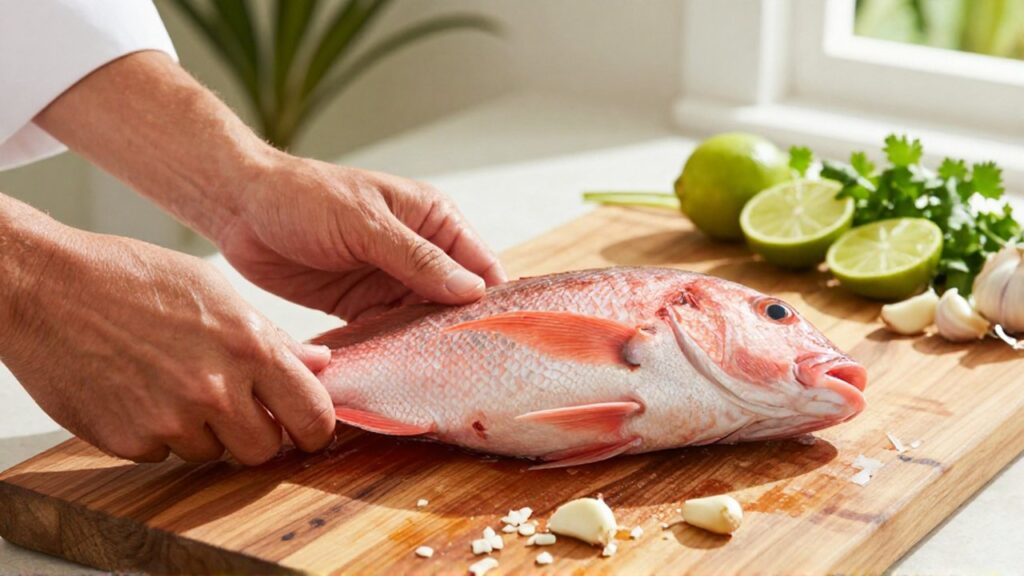
Caribbean red snapper is one of the most prized seafood varieties in tropical waters, cherished for its firm, white flesh and mild, sweet flavor. Mastering the art of cleaning and preparing this fish is essential for anyone looking to recreate the authentic coastal dining experience found in the Dominican Republic and across the Caribbean. Knowing how to handle the fish properly ensures that you preserve its delicate texture and prevent any unwanted bitterness from the organs or bones.
Proper preparation is not just about hygiene; it is about maximizing the culinary potential of the ingredient. Whether you intend to fry the snapper whole for a festive feast or fillet it for a sophisticated pan-sear, the initial steps of scaling, gutting, and rinsing set the foundation for a successful meal. By following a structured cleaning process, you can avoid common mistakes like overcooking or leaving behind scales that ruin the mouthfeel of your dish.
Essential tools for fish preparation
Before you begin handling the snapper, it is vital to have the correct equipment ready. Using the wrong tools can lead to uneven cuts or, more importantly, physical injury. To clean a red snapper effectively, you should gather the following items:
- A sharp fillet knife: A flexible, thin blade is best for following the contours of the backbone.
- Kitchen shears: Useful for cutting through fins if you are preparing the fish whole.
- Scaling tool or a dull knife: A dedicated scaler is ideal, but the back of a knife can also work to remove scales.
- Large cutting board: A non-porous surface, such as plastic or glass, is preferred for seafood hygiene.
- Paper towels: Essential for patting the fish dry to ensure a crisp skin during cooking.
How to scale and gut a whole red snapper
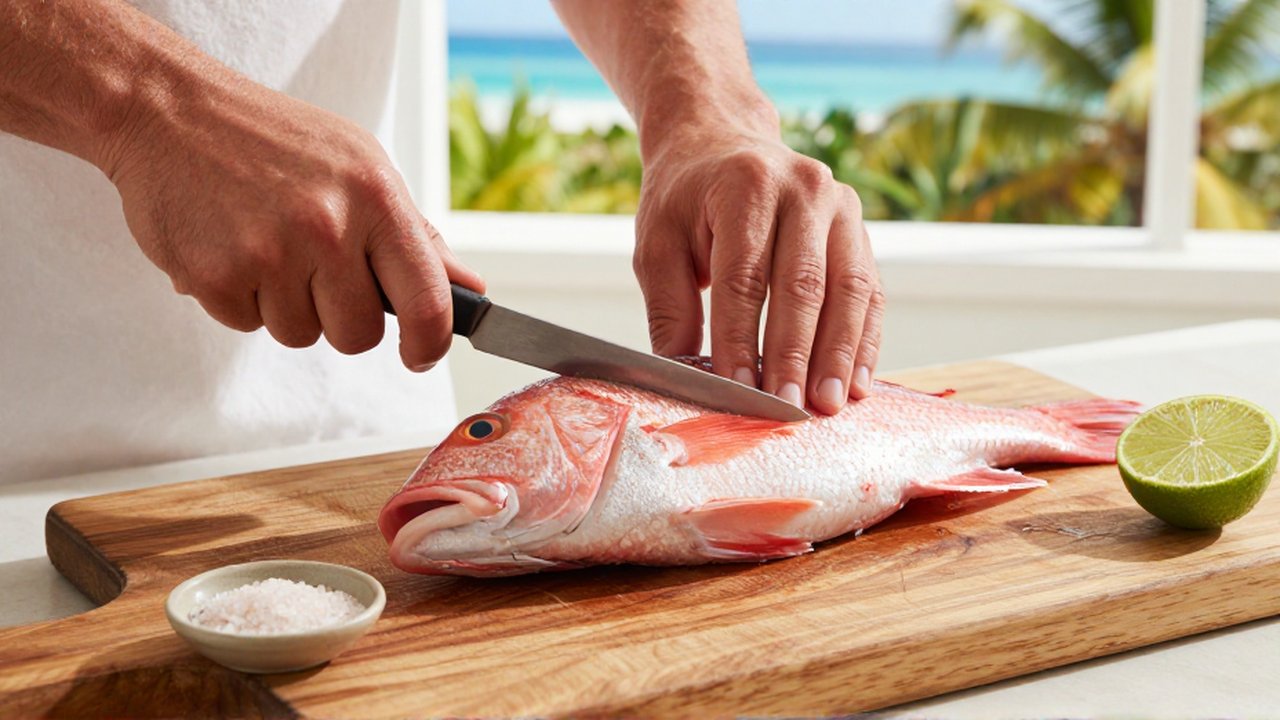
If you have purchased a whole fish, the cleaning process begins with removing the outer scales and the internal organs. This is the most critical stage for maintaining the freshness of the meat.
First, hold the fish firmly by the tail. Using your scaling tool or the back of a knife, scrape from the tail toward the head in short, firm strokes. It is important to work under running water or inside a large plastic bag to prevent scales from flying around your kitchen. Once the skin is smooth, move to the gutting process.
To gut the fish, make a shallow incision from the vent (the opening near the tail) up toward the throat. Be careful not to puncture the internal organs, as this can release fluids that affect the flavor of the meat. Reach inside with your fingers to scoop out the entrails entirely. After removing the guts, inspect the cavity to ensure no small bits of blood or membrane remain. Finally, rinse the entire fish thoroughly under cold, clean water to remove any residual debris.
Steps to fillet red snapper for cooking
Filleting allows you to serve portions of the fish without the inconvenience of bones, making it ideal for tacos, ceviche, or pan-searing. To fillet a red snapper, follow these logical steps:
- Remove the head and fins: Use kitchen shears to cut through the gills and the neck area to detach the head. Trim off the dorsal and pectoral fins to make handling easier.
- Make the initial cut: Lay the fish flat on the board. Make a diagonal cut behind the pectoral fin, slicing down toward the backbone.
- Follow the spine: Insert the tip of your fillet knife into the cut and run it along the backbone toward the tail. Use long, sweeping motions to keep the knife pressed against the bone.
- Flip and repeat: Turn the fish over and repeat the process on the other side.
- Check for pin bones: Once the fillets are removed, run your fingers along the center of the flesh to feel for any small, needle-like bones. Use tweezers or the tip of your knife to remove them.
Tips for seasoning and cooking techniques
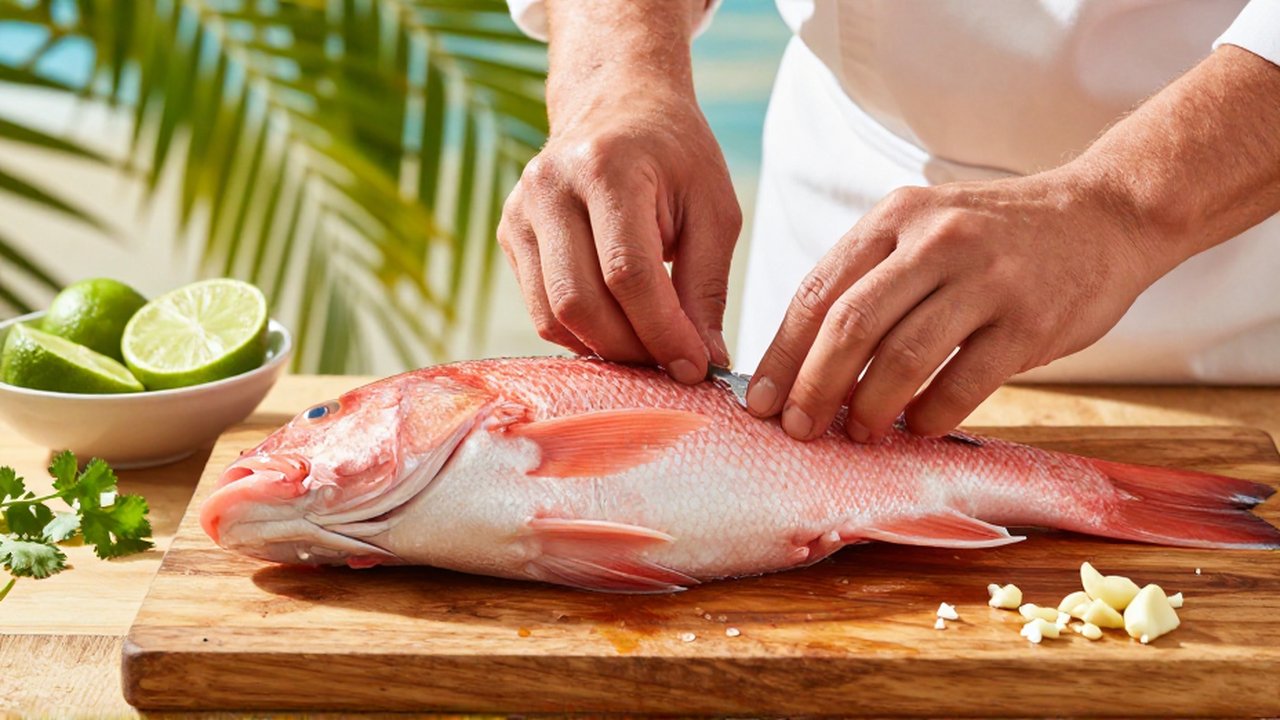
Preparation does not end with cleaning; how you treat the flesh before it hits the heat determines the final quality. For Caribbean-style preparation, it is recommended to pat the fillets or the whole fish completely dry with paper towels. Moisture is the enemy of a good sear; a wet fish will steam rather than crisp.
For a classic flavor profile, consider the following methods:
| Method | Best For | Common Seasonings |
|---|---|---|
| Deep Frying | Whole fish | Salt, garlic, lime, and light flour coating |
| Pan-Searing | Fillets | Olive oil, butter, thyme, and oregano |
| Grilling | Whole or large fillets | Citrus juices, chili, and onion rub |
Avoid over-seasoning with salt too far in advance, as this can draw out moisture and change the texture of the snapper. Instead, season right before cooking to maintain the integrity of the white meat.
Common mistakes to avoid
One of the most frequent errors is failing to remove the bloodline. The dark red strip running along the spine of the fillet carries a stronger, more metallic flavor. For a clean, mild taste, trim this strip away carefully with your knife.
Another mistake is cooking the fish at a temperature that is too low. Red snapper has a relatively delicate structure; if the heat is insufficient, the skin will stick to the pan and tear. Always ensure your pan or oil is sufficiently hot before adding the fish to achieve a golden, crispy exterior.
Frequently asked questions
How can I tell if red snapper is fresh? Fresh red snapper should have clear, bright eyes, a firm body that springs back when touched, and a mild, sea-like scent rather than a "fishy" odor.
Can I freeze red snapper after cleaning it? Yes, you can freeze cleaned fillets or whole fish. Ensure they are vacuum-sealed or wrapped tightly to prevent freezer burn, and thaw them in the refrigerator overnight before cooking.
Do I need to remove the skin before cooking? No, keeping the skin on is often beneficial. It helps hold the fillet together during cooking and provides a delicious, crispy texture if pan-seared or fried.
Is red snapper a good source of nutrition? Yes, red snapper is an excellent source of high-quality protein, healthy omega-3 fatty acids, and essential minerals like selenium and vitamin B12.
Leave a Reply