Essential tools for traditional Dominican braising techniques

Introduction
Braising is a cornerstone of Dominican culinary heritage, serving as the primary method for transforming tougher cuts of meat into tender, flavorful masterpieces. By combining searing with slow simmering in a liquid base, this technique allows the deep aromas of garlic, oregano, and sofrito to penetrate every fiber of the protein. Understanding the right tools is essential for anyone looking to master dishes like carne guisada or slow-cooked goat, as the equipment directly influences moisture retention and heat distribution.
In a Dominican kitchen, the goal is often to achieve a rich, thick sauce (often called salsa) while ensuring the meat falls apart with minimal effort. To do this effectively, one must select tools that can withstand long cooking times and provide consistent, gentle heat. Using the wrong vessel or utensil can lead to uneven cooking, scorched sauces, or dried-out meat, undermining the essence of the braising process.
The importance of heavy bottomed cookware
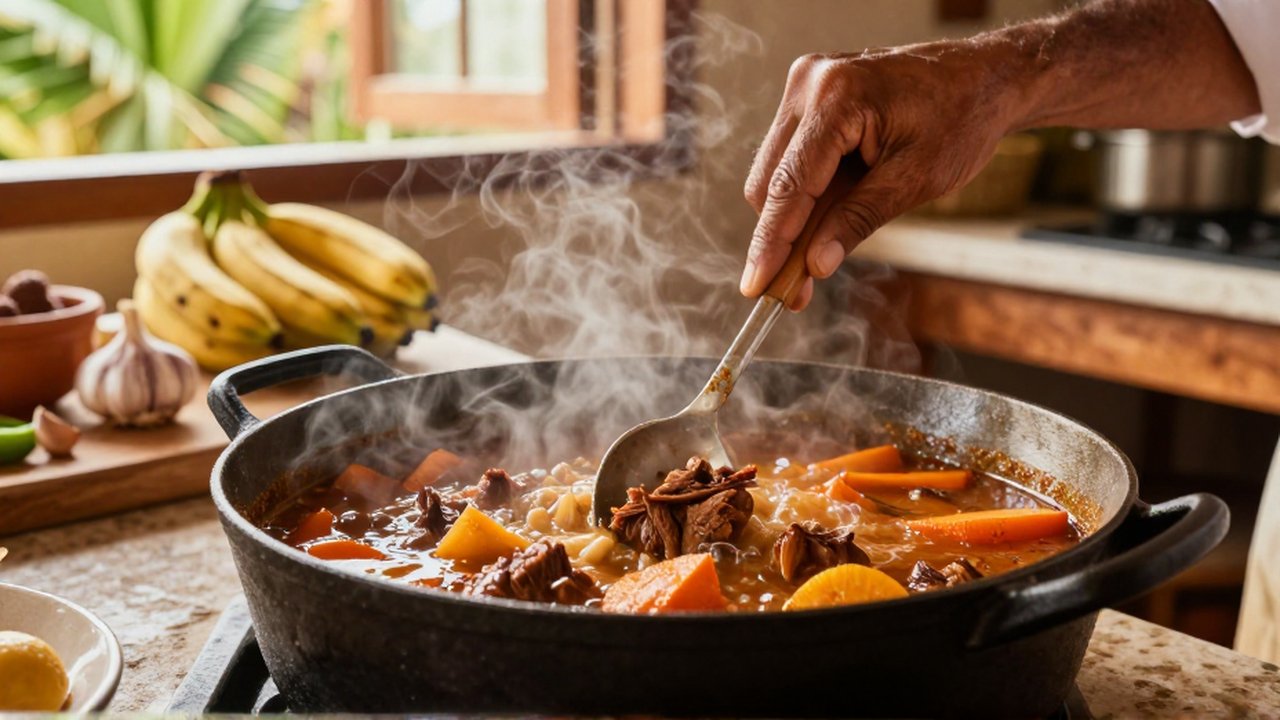
The most critical tool in the braising process is the vessel itself. Because braising involves transitioning from high heat (for searing) to low heat (for simmering), the material must manage thermal fluctuations without causing hot spots. In traditional Dominican cooking, a heavy-bottomed pot is indispensable.
A thick base ensures that heat is distributed evenly across the entire surface of the pot. This prevents the garlic and onions in your sofrito from burning at the bottom before the meat has had time to cook through. For those seeking authenticity, a Dutch oven or a heavy caldero is the gold standard. These vessels are typically made of cast iron or thick aluminum, which are excellent at retaining heat. The heavy lid is equally important; a tight-fitting cover prevents steam from escaping, which keeps the meat moist and allows the flavorful juices to recirculate throughout the cooking process.
Essential utensils for searing and stirring
While the pot does the heavy lifting, specialized utensils ensure the execution of the technique is flawless. The braising process is not a "set it and forget it" method; it requires active management during the initial stages.
- Long-handled tongs: These are vital for searing meat. They allow you to turn large pieces of beef, pork, or chicken without crowding the pot or losing control of the heat. Tongs provide the precision needed to achieve a perfect golden-brown crust, which is the foundation of flavor.
- Sturdy wooden spoons: Once the liquid is added, a wooden spoon is the preferred tool for stirring. Unlike metal utensils, wood is gentle on the surface of your cookware and allows you to scrape the bottom of the pot (deglazing) to incorporate the flavorful browned bits—known as fond—into the sauce.
- Chef's knife and cutting board: Preparation is part of the braising workflow. You need reliable tools to chop aromatics like bell peppers, onions, and garlic, as well as to portion the meat into uniform pieces that will cook at the same rate.
Measuring and liquid management tools
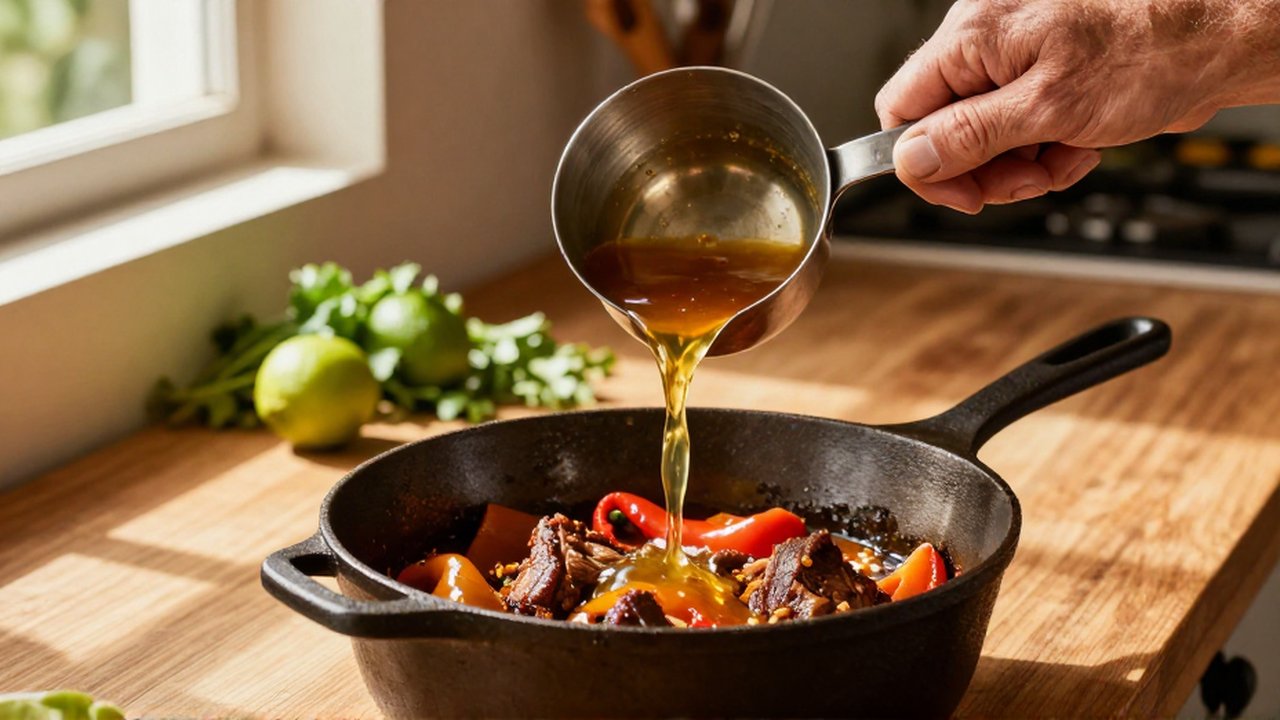
The quality of a Dominican braise is often judged by its sauce. Achieving the right consistency requires careful management of liquids, such as tomato sauce, broth, or even wine.
A set of measuring cups and spoons is helpful for maintaining the balance between acidity and savory notes. Furthermore, a ladle is an essential tool for testing the seasoning and consistency of the sauce without disturbing the meat. If a sauce is too thin, a ladle allows you to easily remove some liquid or monitor the reduction process. For more advanced cooks, a slotted spoon can be used to remove meat from the sauce once it has reached the desired tenderness, allowing the liquid to reduce independently to reach a thicker, more concentrated state.
Common mistakes in braising equipment selection
Many cooks make the mistake of using thin-walled stainless steel pots for braising. While these are excellent for boiling water or making quick sauces, they lack the heat retention needed for long, slow cooks. In a thin pot, the heat is concentrated at the bottom, which often results in a burnt sauce and meat that is dry on the outside but tough on the inside.
Another frequent error is using lids that do not seal well. If steam escapes too rapidly, the braising liquid will evaporate prematurely. This turns a moist, succulent dish into a dry one and can cause the salt levels to become unpleasantly high as the liquid reduces too quickly. Always ensure your lid sits flush against the rim of the pot to maintain the internal environment necessary for tenderizing meat.
Frequently asked questions
Can I use a regular frying pan for braising? Generally, no. A frying pan lacks the high sides and heavy lid required to hold enough liquid and trap steam. A wide, shallow pan might work for very brief braises, but a deep, heavy-bottomed pot is much more effective.
Does the material of the pot affect the flavor? Yes. Heavy materials like cast iron or thick aluminum promote even heat distribution, which prevents scorching. Scorched ingredients can impart a bitter taste to the entire dish, ruining the delicate balance of the seasonings.
What should I do if my sauce is too thin? If you have the right tools but the sauce is too watery, you can continue to simmer the liquid with the lid slightly offset. This allows excess moisture to evaporate, thickening the sauce into a rich glaze.
Is a Dutch oven better than a traditional caldero? Both are excellent. A Dutch oven often provides a tighter seal, which is great for very long cooking times, whereas a traditional caldero is a versatile staple in Dominican kitchens that is perfect for a wide variety of everyday braised meals.
Leave a Reply