
Tips for frying Dominican bacalao without breaking
Introduction
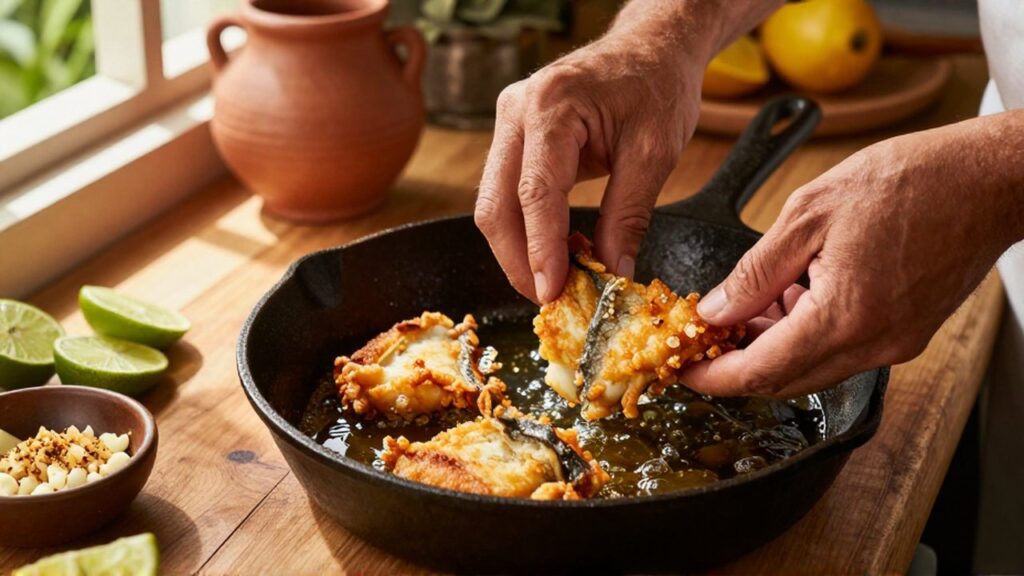
Frying salted cod, known in Dominican gastronomy as bacalao, is a cornerstone technique for preparing one of the island's most beloved protein sources. Whether it is being served as part of a traditional breakfast with mangú or as a centerpiece in a festive meal, the texture of the fish is paramount. A perfect piece of bacalao should be crispy on the exterior while remaining intact and fleshy on the inside.
Mastering this technique is essential because salt cod is inherently delicate. If handled incorrectly, the fish tends to crumble into small, unappealing flakes during the frying process, making it difficult to serve graceful portions. Learning how to manage the hydration, seasoning, and temperature ensures that you achieve that professional, restaurant-quality finish every time you cook in a Dominican kitchen.
Proper preparation and desalination steps
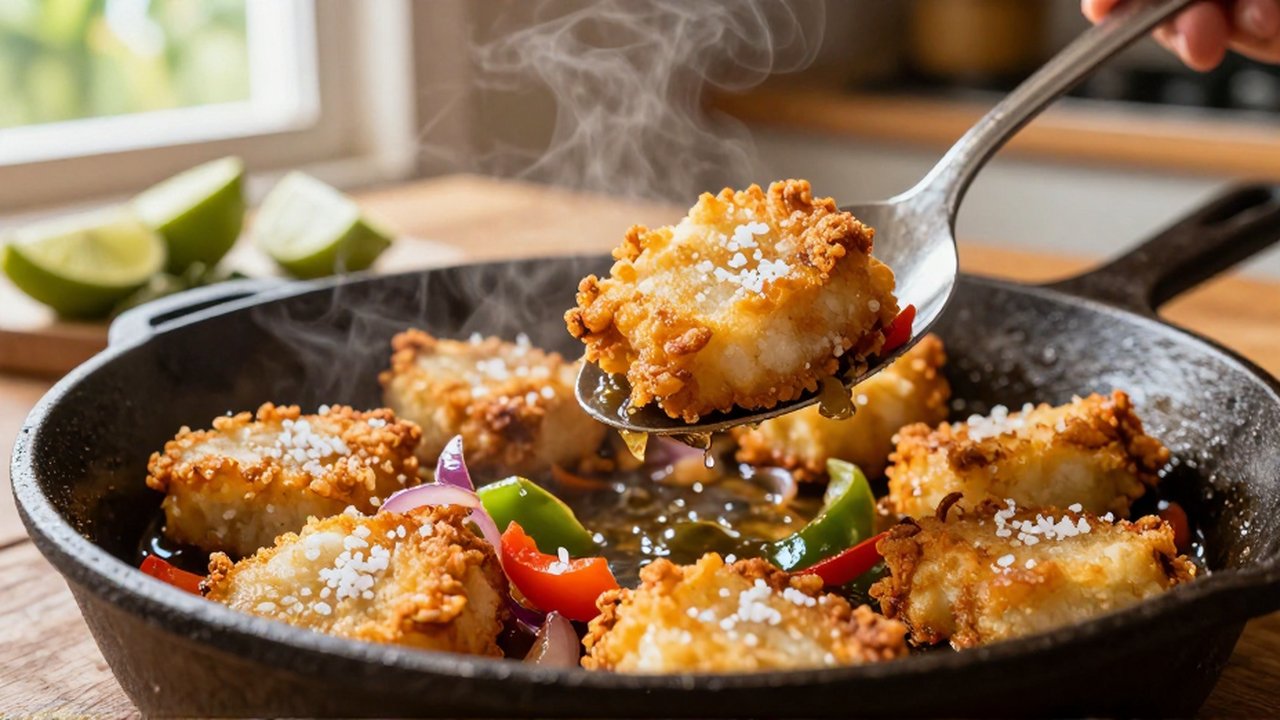
The secret to preventing your bacalao from breaking starts long before the oil hits the pan. Because salt cod is preserved in heavy brine, the desalination process is the most critical stage of preparation. If the fish is not desalted correctly, the cellular structure remains unstable, leading to a mushy texture that collapses under heat.
To begin, you must soak the fish in cold water for several hours, changing the water multiple times. This removes the excess salt and rehydrates the muscle fibers. Once the fish is adequately desalted, it is vital to pat it completely dry with paper towels. Any residual moisture on the surface of the fish will create steam; this steam creates internal pressure that pushes against the flakes, causing them to separate and break apart during frying.
Coating techniques for structural integrity
To ensure the fish maintains its shape, many Dominican cooks employ a light coating method. While some prefer to fry the fish plain to enjoy its natural flavor, applying a thin layer of flour can act as a protective "shield." This coating helps to lock the moisture inside the fish while creating a barrier that holds the larger flakes together.
When using flour, follow these guidelines for the best results:
- Dryness is key: Ensure the fish is bone-dry before dredging.
- Light application: Shake off any excess flour. A thick, doughy batter is more likely to slide off the fish, whereas a light dusting adheres better.
- Seasoning the coating: Since the fish is already salty, do not season the flour with salt. Instead, use garlic powder, oregano, or black pepper to add depth without unbalancing the flavor profile.
Temperature control and frying methods
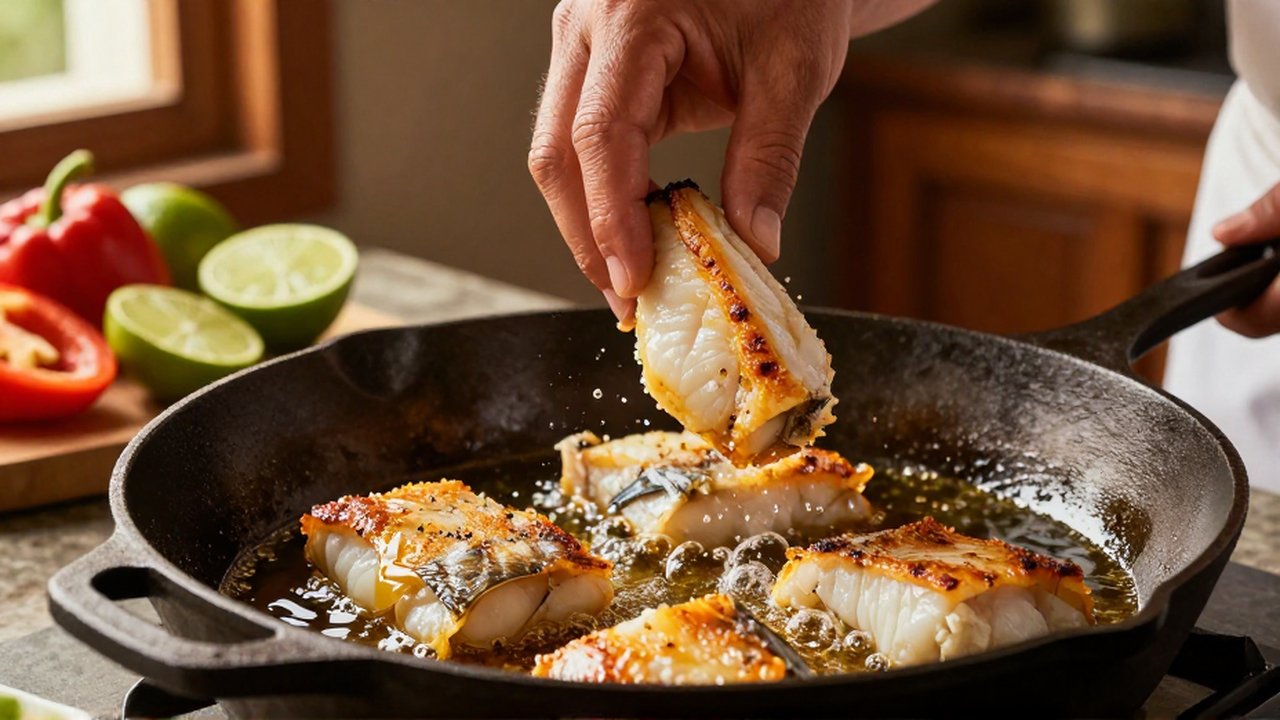
The temperature of the oil is perhaps the most significant factor in determining whether your bacalao remains whole or turns into debris. If the oil is too cold, the fish will absorb too much fat and become soggy, causing the structure to weaken. If the oil is too hot, the exterior will burn before the interior is heated, leading to an uneven texture that can cause the fish to split.
For the best results, use a medium-high heat setting. You want the oil to be hot enough that the fish sizzles immediately upon contact, creating an instant crust. Once the pieces are in the pan, avoid the temptation to stir them constantly. Every time you move the fish with a spatula, you risk physically breaking the delicate flakes. Let the crust form completely before gently turning the pieces.
Common mistakes to avoid
Even experienced cooks can run into trouble when frying salt cod. Recognizing these frequent errors will help you troubleshoot your technique and improve your consistency.
| Mistake | Consequence | Solution |
|---|---|---|
| Over-soaking or under-soaking | Fish becomes too soft or stays too salty. | Test the salt level by tasting a small piece mid-soak. |
| Crowding the pan | Oil temperature drops rapidly. | Fry in small batches to maintain heat. |
| Using too much oil | Fish becomes greasy and heavy. | Deep fry or shallow fry with enough oil to submerge at least halfway. |
| Aggressive stirring | The fish breaks into small pieces. | Use a wide, flat spatula and turn only once. |
Frequently asked questions
Can I use frozen bacalao for frying? Yes, but you must ensure the fish is completely thawed and properly desalted before frying. Frozen fish holds more moisture, so extra attention must be paid to drying the surface to prevent breaking.
Should I use olive oil or vegetable oil? Vegetable oils with a high smoke point are generally preferred for frying to avoid burning the oil. However, a small amount of olive oil can be used for flavor if you monitor the temperature closely.
Why does my bacalao always fall apart? This is usually due to either insufficient desalinization (which weakens the fibers) or moving the fish too much in the pan before a crust has formed.
How do I know when the oil is ready? You can test the oil by dropping a small pinch of flour into it; if it sizzles immediately and bubbles steadily, the oil is at the correct temperature.
Leave a Reply