
Benefits of slow braising for Dominican flavors

Introduction
Slow braising is a fundamental cooking technique that involves searing meat at a high temperature and then simmering it in a small amount of liquid over a long period. In Dominican cuisine, this method is essential for transforming tougher, more affordable cuts of meat into tender, flavorful masterpieces. By applying gentle, consistent heat, the connective tissues break down, allowing the meat to absorb the complex aromas of local herbs and spices.
This technique is particularly appropriate when preparing traditional stews or meat-based dishes that require a deep, unified flavor profile. Mastering braising allows home cooks to achieve a level of depth that quick-cooking methods simply cannot replicate. It is the bridge between simple ingredients and the rich, soulful meals that define the Dominican culinary identity, turning a standard meal into a celebratory feast.
How braising enhances meat texture

The primary benefit of slow braising is the radical transformation of meat texture. Many cuts of meat used in Dominican households, such as beef shank or pork shoulder, are rich in collagen. If cooked quickly, these cuts remain tough and chewy. However, the slow application of moisture and heat triggers a chemical process that converts collagen into gelatin.
This gelatinization process provides two distinct advantages. First, it results in a "melt-in-your-mouth" texture that is highly sought after in traditional slow-cooked meals. Second, the gelatin adds a silky, luxurious mouthfeel to the cooking liquid, creating a sauce that coats the palate. This characteristic is a hallmark of a well-executed Dominican stew, where the sauce is just as important as the meat itself.
Deepening the complexity of Dominican aromatics
Braising is not just about texture; it is a powerful vehicle for flavor infusion. In Dominican cooking, the base of most dishes is a combination of garlic, onions, bell peppers, and oregano. When these ingredients are braised alongside the meat, they do not merely sit on the surface; they integrate into the very structure of the protein.
During the long simmering process, the aromatics release their essential oils into the liquid, which is then reabsorbed by the meat. This creates a multidimensional flavor profile where the seasoning feels internal rather than external. The flavors of the sofrito become inseparable from the meat, ensuring that every bite is consistent and deeply seasoned.
Creating rich sauces and gravies
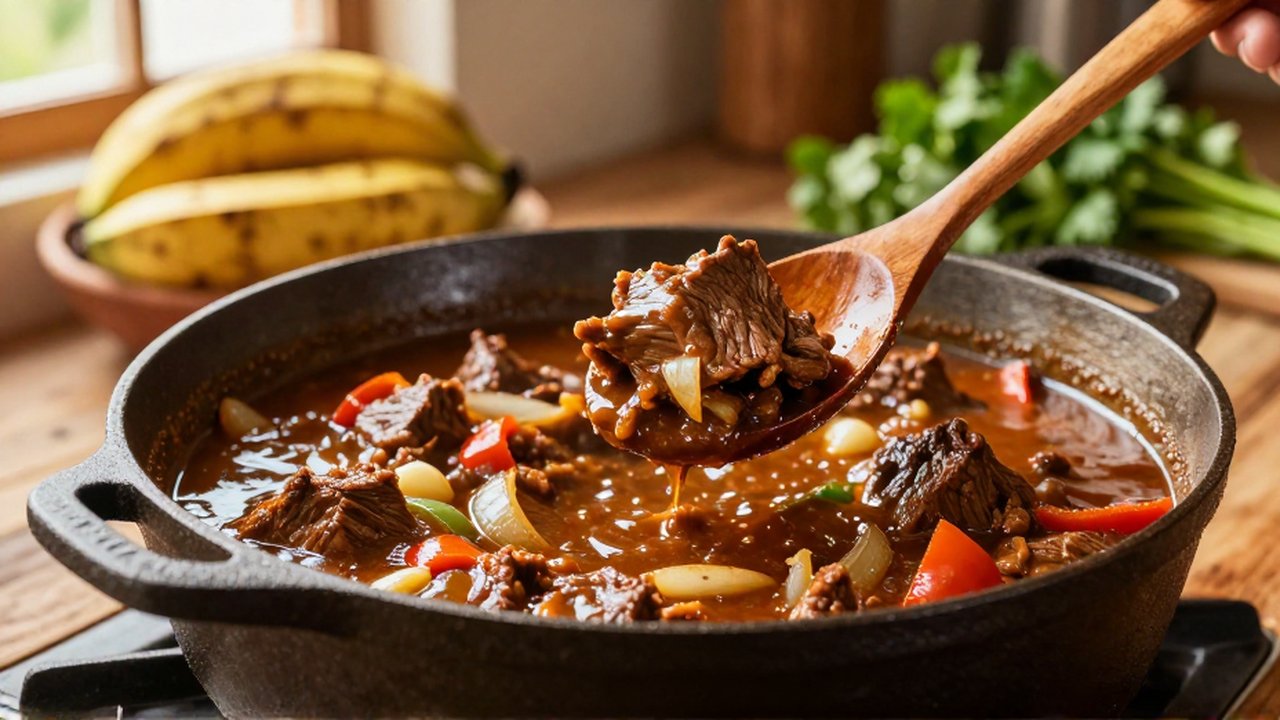
One of the most significant advantages of the braising method is the creation of an exceptional cooking liquid. As the meat cooks, it releases juices that mingle with the added liquids—such as tomato sauce, wine, or even coconut milk—and the rendered fats.
| Element of Braising | Contribution to Flavor |
|---|---|
| Searing | Creates a caramelized base (Maillard reaction) for the sauce. |
| Liquid Reduction | Concentrates flavors as moisture evaporates. |
| Collagen Breakdown | Adds body and thickness to the sauce through gelatin. |
| Aromatic Infusion | Ensures the sauce carries the essence of the seasonings. |
As the liquid reduces over time, it becomes a concentrated sauce. This "jus" or gravy is often used to serve over white rice or boiled plantains, ensuring that the seasoning from the meat is distributed throughout the entire meal.
Common mistakes to avoid when braising
To achieve the best results, it is important to avoid certain pitfalls that can compromise the quality of the dish. One frequent mistake is failing to sear the meat properly at the beginning. Searing is crucial because it develops the complex flavors that will later form the foundation of the sauce.
Another common error is using too much liquid. Braising is a moist-heat method, but the meat should not be completely submerged like a soup. The liquid should only come halfway up the meat to ensure that the flavors concentrate rather than becoming diluted. Furthermore, turning the meat too frequently can prevent it from developing a proper crust, and using heat that is too high can cause the sauce to break or the meat to become grainy rather than tender.
Frequently asked questions
Why must I sear the meat before adding liquid? Searing creates a caramelized crust through the Maillard reaction. This not only adds flavor to the meat itself but also provides the essential browned bits at the bottom of the pot that deepen the color and taste of the final sauce.
Can I use any liquid for braising? While water can be used, using stocks, coconut milk, or even a bit of tomato juice will yield much richer results. The liquid acts as the medium through which all flavors travel, so its quality directly impacts the final dish.
How do I know if my meat is properly braised? The most reliable indicator is tenderness. When the meat can be easily pierced with a fork or pulled apart with minimal pressure, the collagen has successfully broken down into gelatin.
Is it better to braise on the stove or in the oven? Both methods work well. Stove-top braising allows for easier monitoring of the liquid levels, while oven braising provides more consistent, surrounding heat that can result in more even cooking.
Leave a Reply