What role does sugar history play in Dominican desserts
Introduction
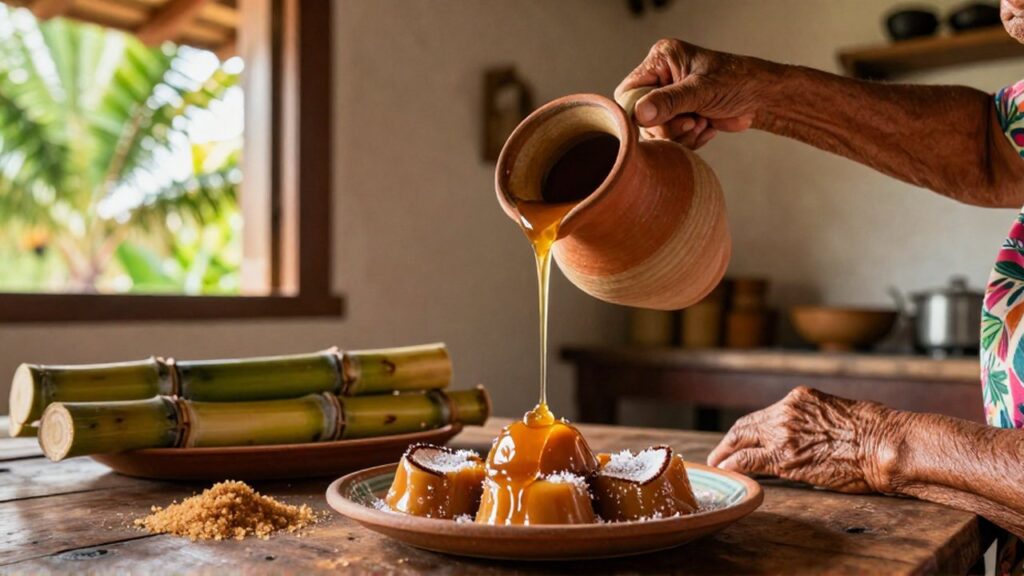
The relationship between sugar and the Dominican Republic is a profound historical narrative that transformed the island's landscape, economy, and culinary DNA. To understand Dominican desserts, one must first understand the colonial history of sugarcane cultivation, which introduced this sweet ingredient to the Caribbean and shaped the social structures of the region. This historical foundation is essential for anyone seeking to appreciate the depth and complexity of traditional Dominican confectionery.
By examining the transition from indigenous ingredients to the widespread use of cane sugar, we can see how a single ingredient became the backbone of a national identity. This article explores how the history of sugar production influenced the flavors, textures, and cultural importance of the sweets enjoyed in the Dominican Republic today.
The colonial influence on ingredient availability
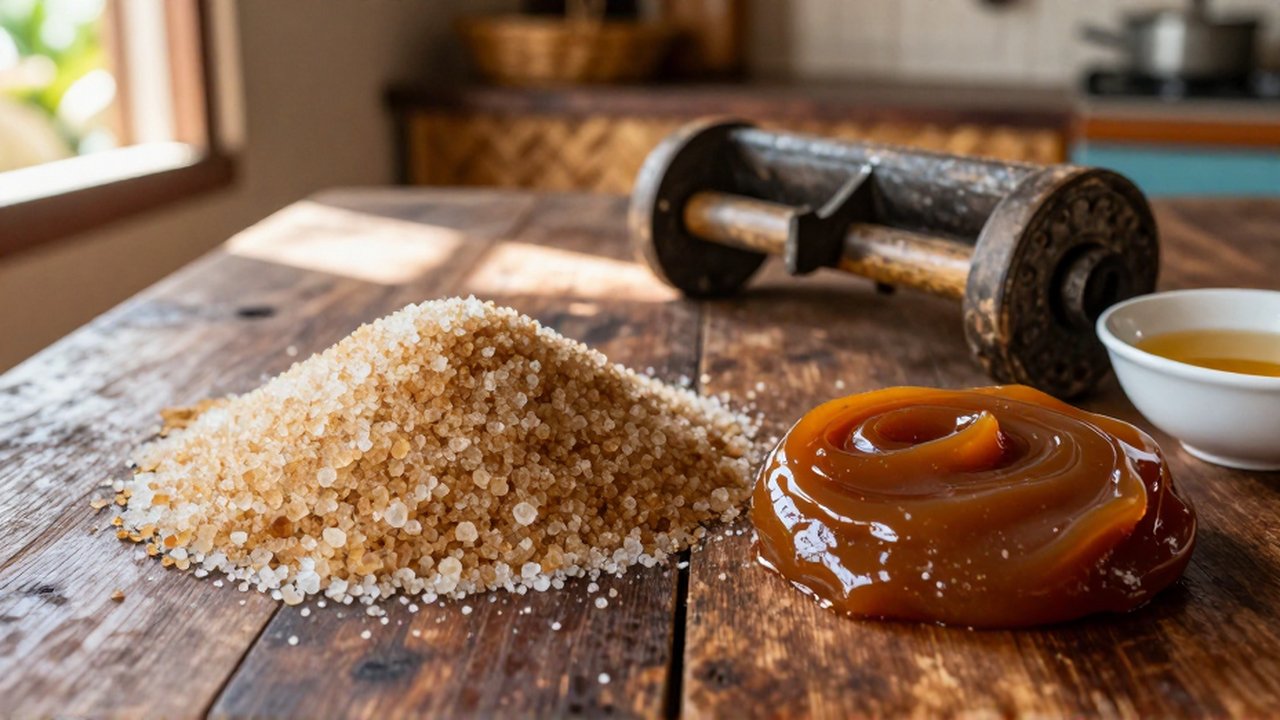
Before the arrival of European settlers, the indigenous Taíno people relied on natural sweeteners such as honey and various tropical fruits. However, the establishment of the sugar industry during the colonial era fundamentally altered the Dominican pantry. Sugarcane became one of the most dominant crops on the island, making sugar an accessible and central element of daily life rather than a rare luxury.
This abundance led to a fusion of culinary traditions. Spanish techniques for making syrups, preserves, and pastries merged with local ingredients like coconut, cassava, and tropical fruits. The result was a unique culinary legacy where sugar served as the bridge between Old World methods and New World resources. This fusion is evident in how sugar is used not just as a sweetener, but as a structural component in many traditional recipes.
Evolution of traditional dessert profiles
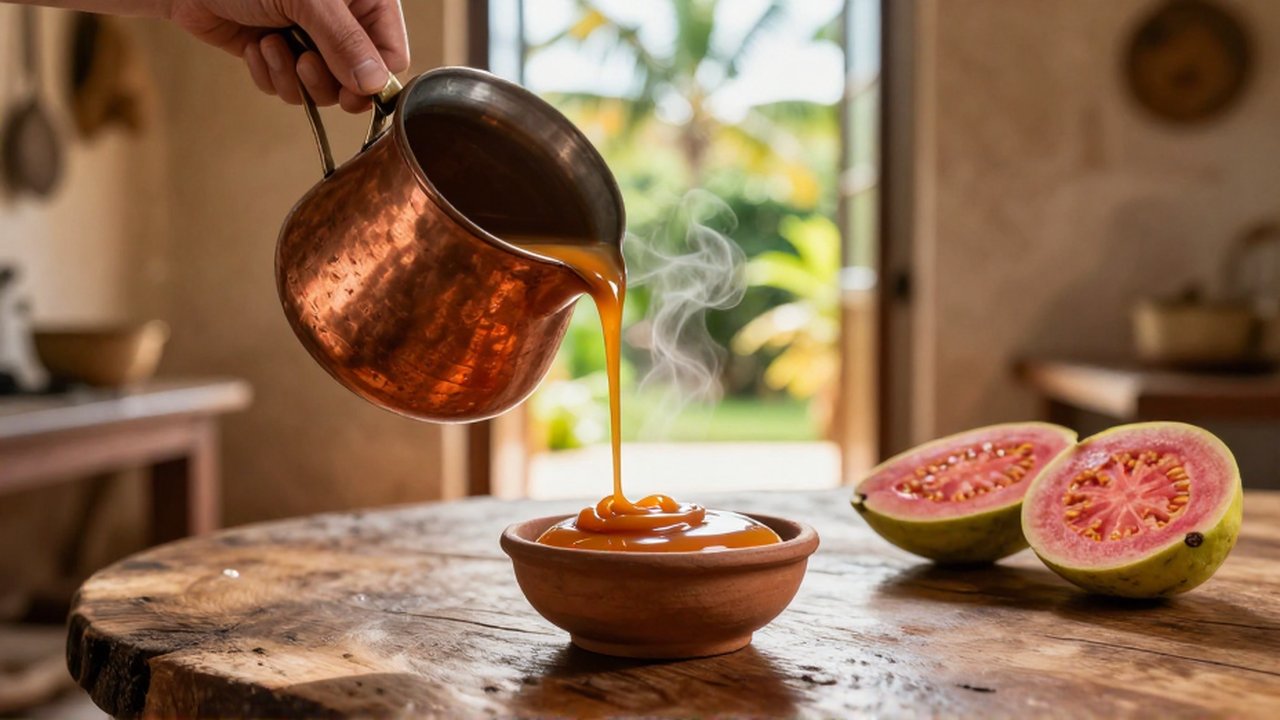
The historical dominance of the sugar industry allowed for the development of several distinct dessert styles that characterize Dominican gastronomy. These can be categorized by how sugar is applied to the base ingredients:
- Syrup-based sweets: Many traditional treats rely on heavy cane syrups or honey-like consistencies derived from boiled sugar, often used to soak cakes or preserve fruits.
- Coconut and sugar combinations: The marriage of sugarcane and coconut is a hallmark of the island. The fat from the coconut creates a rich medium for the sweetness of the sugar, a technique refined over centuries.
- Dairy and sugar infusions: The introduction of livestock alongside sugar production led to the creation of sweets involving milk, such as various types of custards and milk-based puddings.
These profiles demonstrate that sugar is not merely an additive in Dominican desserts; it is the catalyst that allows local flavors to reach their full potential.
Cultural significance of sugar in celebrations
In the Dominican Republic, sugar-heavy desserts are deeply intertwined with social and religious festivities. The history of sugar cultivation created a culture of abundance, where certain sweets are reserved for specific milestones, such as weddings, baptisms, or patron saint festivals.
The preparation of these desserts is often a communal or familial activity, passing down recipes that have survived generations. For example, the making of traditional sweets during the holiday season is a ritual that reinforces cultural continuity. The presence of these sweets at gatherings acts as a symbol of hospitality and celebration, marking the importance of the occasion through the indulgence of sweetness.
Comparison of sugar applications in local sweets
| Dessert Type | Primary Role of Sugar | Common Accompaniments |
|---|---|---|
| Fruit Preserves | Preservation and flavor enhancement | Local tropical fruits |
| Milk-based Puddings | Texture and sweetness balance | Cinnamon and nutmeg |
| Syrup-soaked Cakes | Moisture and deep caramel notes | Coconut milk |
Common misconceptions regarding Dominican sweets
A frequent mistake is assuming that Dominican desserts are exclusively "sweet for the sake of sweetness." In reality, the historical use of sugar in the Caribbean often involved balancing extreme sweetness with acidity (from citrus) or saltiness (from dairy or toasted nuts). Understanding this balance is key to appreciating the sophisticated palate developed through centuries of culinary evolution.
Additionally, while sugar is central, it is important to recognize that the "sweetness" of Dominican desserts often comes from the natural sugars of tropical fruits, which are then enhanced—rather than replaced—by cane sugar.
Frequently Asked Questions
How did the sugar industry change the local diet? The sugar industry shifted the diet from a reliance on wild and gathered ingredients to a more structured use of cultivated cane, introducing heavy syrups and caramelized flavors into the culinary repertoire.
Are all Dominican desserts made with cane sugar? While cane sugar is the historical and most common sweetener, many traditional recipes also utilize the natural sweetness of fruits like guava, coconut, and mango to achieve flavor.
Why is coconut so frequently paired with sugar in local recipes? The pairing is a result of the historical availability of both ingredients. The richness of coconut complements the intensity of cane sugar, creating a balanced and iconic flavor profile.
Is sugar history relevant to modern Dominican cooking? Yes, the historical availability and use of sugar have established the flavor profiles, textures, and ceremonial importance that continue to define Dominican confectionery today.
Leave a Reply