
Which characters appear in Dominican oral folk legends

Introduction
Dominican folklore is a rich tapestry woven from Taino, African, and Spanish influences, manifesting most vividly through its oral traditions. These legends serve as more than just bedtime stories; they act as a cultural mechanism for teaching morality, explaining the unknown, and preserving the collective memory of the island. By passing these tales down through generations, Dominican communities maintain a unique identity that connects the modern era to a mystical, ancestral past.
Understanding the characters within these legends is essential for anyone looking to grasp the true soul of Dominican culture. These figures range from mischievous spirits and terrifying monsters to legendary heroes and supernatural beings. Each character carries specific symbolic weight, often representing human fears, desires, or the unpredictable forces of nature found in the tropical landscape.
Exploring these mythical beings allows us to see how the Dominican people have interpreted the world around them. Whether through a tale told in a rural village or a story shared in a bustling city, these characters continue to shape the imagination and the cultural consciousness of the nation.
Mythical creatures and spirits of the night

The most recognizable characters in Dominican folklore are often those that inhabit the darkness or the edges of human civilization. These beings are frequently used in traditional storytelling to warn children against wandering off at night or to explain unexplained occurrences in the household.
One of the most prominent figures is the Ciguapa. Described as a beautiful woman with long, flowing hair that covers her entire body, the Ciguapa is famously known for having feet that face backward. This physical trait is a clever folkloric device used to confuse hunters or pursuers, as their tracks lead in the opposite direction of their movement. They are seen as wild, elusive beings of the mountains.
Another significant character is the Galipote. Often depicted as a creature with a mix of human and animalistic features, the Galipote is a shapeshifter that can inhabit the dark corners of the forest or rural areas. These beings are typically viewed with caution, as they represent the unpredictable and sometimes dangerous aspects of the wilderness.
Additionally, stories often feature various types of spirits or "duendes" (elves/gnomes) that play tricks on unsuspecting humans. These entities are not always malevolent, but they are certainly unpredictable, often rearranging household items or causing minor mischief to remind people of the supernatural presence in the world.
Supernatural beings with moral significance
Many Dominican legends feature characters that serve a didactic purpose, meaning they are designed to teach a lesson about behavior, religion, or social ethics. These stories often involve the consequences of greed, disobedience, or disrespect.
The Manate or figures related to the "mal de ojo" (evil eye) often appear in tales regarding spiritual protection and the vulnerability of the human soul. While not always a single character, the concept of the personification of bad luck or jealousy is a recurring theme in oral traditions.
In some regions, legends speak of transformed humans—people who have been cursed due to their wicked actions. These "living ghosts" or cursed individuals serve as a stark warning to the community. Through these characters, folklore emphasizes the importance of maintaining a good reputation and adhering to community values.
Comparison of major folkloric figures
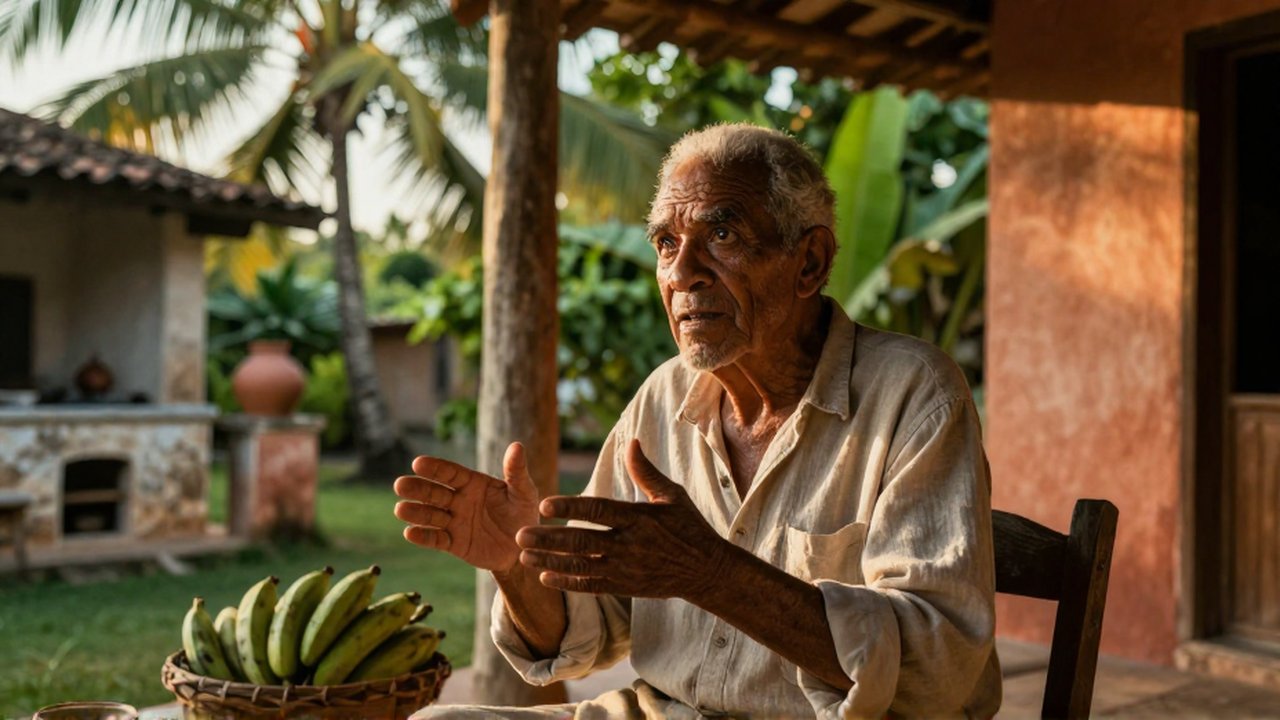
To better understand the different roles these characters play, it is helpful to categorize them by their primary traits and the emotions they evoke in the listener.
| Character | Primary Trait | Typical Habitat | Emotional Response |
|---|---|---|---|
| Ciguapa | Backward feet, beautiful | Mountains/Forests | Curiosity and awe |
| Galipote | Shapeshifting, mysterious | Rural areas/Woods | Fear and caution |
| Duendes | Mischievous, small | Households/Gardens | Annoyance or suspicion |
| Cursed Souls | Moral consequences | Villages/Roadsides | Reflection and fear |
Common themes in Dominican oral storytelling
When these characters appear in legends, they are rarely isolated. They are part of a larger narrative structure that focuses on several recurring themes:
- The boundary between civilization and nature: Many characters exist in the "in-between" spaces, such as the edge of a forest or a darkened path, symbolizing the thin line between the known world and the wild.
- Deception and trickery: Many spirits use illusions to mislead humans, emphasizing the need for discernment and wit.
- The power of the unseen: A central theme is that the physical world is only a small part of reality, and that there are spiritual forces constantly influencing human lives.
Frequently asked questions
What is the most famous character in Dominican folklore? The Ciguapa is perhaps the most iconic figure due to her unique physical description and the mystery surrounding her existence in the mountains.
Are Dominican legends considered scary or educational? They serve both purposes. While many tales involve frightening creatures to instill caution, they are fundamentally educational, teaching lessons about morality and respect for nature.
Do these legends still influence modern Dominican culture? Yes, these characters frequently appear in contemporary Dominican literature, art, and even popular media, proving their lasting impact on the national identity.
Where can one find the origins of these characters? The characters are a blend of Taino indigenous myths, Spanish colonial superstitions, and African spiritual traditions, reflecting the diverse heritage of the Dominican Republic.
Leave a Reply