Why is Sancocho a symbol of Dominican culture
Introduction
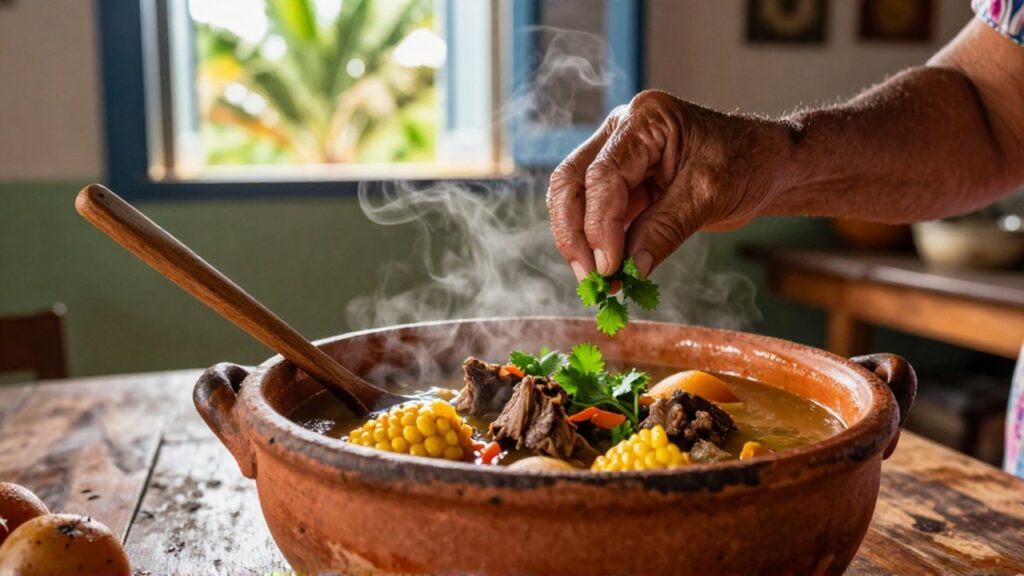
Sancocho is much more than a simple hearty stew; it is a profound expression of Dominican identity and a culinary cornerstone of the island. This thick, nourishing soup, composed of various meats and a variety of root vegetables, serves as a communal centerpiece during celebrations, family gatherings, and holiday festivities. Understanding sancocho means understanding the history, the land, and the social fabric that binds Dominican people together through a shared love for rich, flavorful nourishment.
The significance of this dish lies in its ability to bring people together. Whether it is a Sunday lunch with extended family or a large-scale community event, sancocho demands time, patience, and cooperation to prepare. It is a dish that celebrates abundance, even when ingredients are sourced from simple, local harvests. Its presence on a table signals hospitality, warmth, and a deep connection to ancestral cooking traditions that have been passed down through generations.
The historical roots of the dish
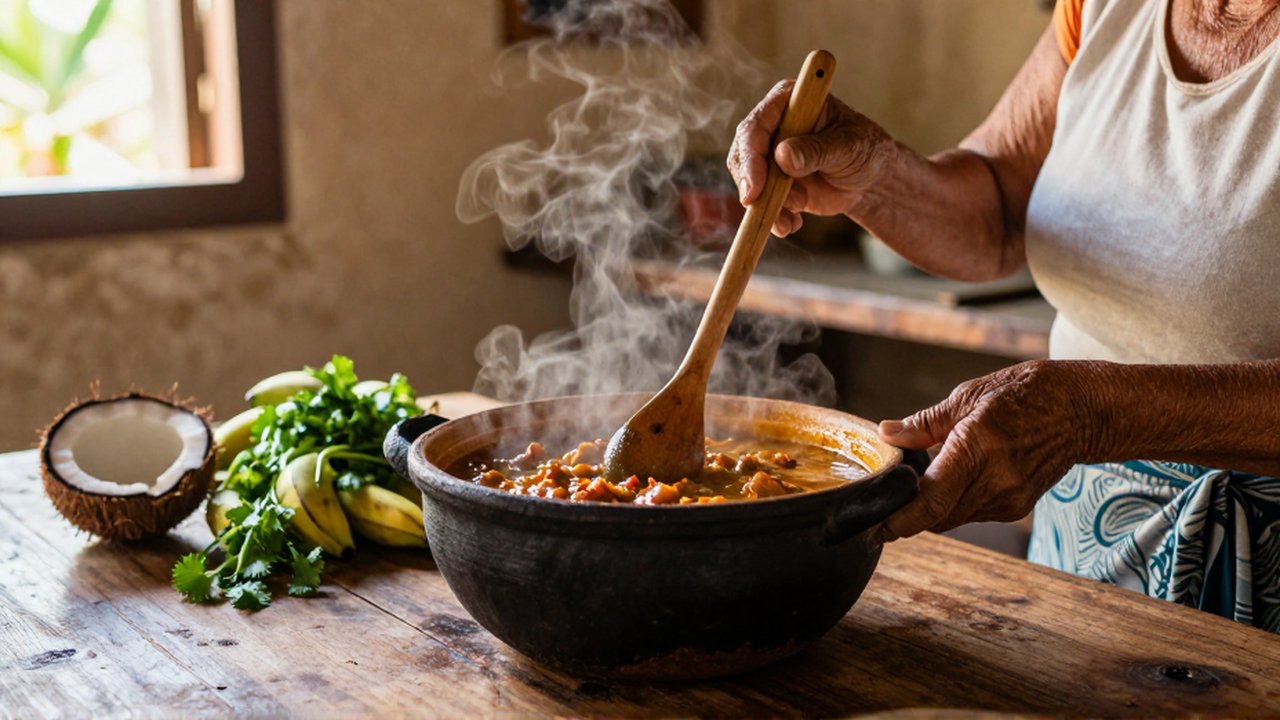
The origins of sancocho are deeply intertwined with the complex history of the Dominican Republic. Like many Caribbean culinary traditions, sancocho is a product of cultural fusion, blending indigenous Taíno influences with Spanish and African elements. The Taíno people provided the foundational knowledge of local tubers and starchy vegetables, while the Spanish brought various meats and seasoning techniques. The African influence added depth through specific cooking methods and the use of diverse ingredients that became staples in the tropical landscape.
This fusion created a dish that was inherently adaptable. Depending on the region and the era, the type of meat used or the specific variety of tubers included might change, but the essence of the dish—a slow-cooked, multi-ingredient stew—remained constant. This adaptability allowed sancocho to evolve from a survival meal into a celebratory masterpiece, absorbing the flavors of the local terrain and the history of its people.
Essential ingredients that define the flavor
A true Dominican sancocho is characterized by its complexity and its density. While recipes vary from household to household, certain elements are considered non-negotiable for achieving the authentic profile of this cultural icon.
| Ingredient Category | Common Examples | Role in the Dish |
|---|---|---|
| Proteins | Chicken, beef, pork, goat, or sausages | Provides depth, fat, and substance |
| Tubers (Viandas) | Yuca, plantains, pumpkin (auyama), cassava | Creates the thick, creamy texture |
| Aromatics | Garlic, onions, peppers, cilantro, oregano | Forms the flavor base |
| Liquid Base | Water or meat broth | Acts as the medium for slow simmering |
The "viandas" or root vegetables are particularly crucial. Unlike thin soups, a sancocho must be thick enough that a spoon can almost stand upright. This texture is achieved by allowing the starches from the plantains and yuca to break down slightly during the long simmering process, creating a cohesive and comforting consistency.
Social significance and community connection
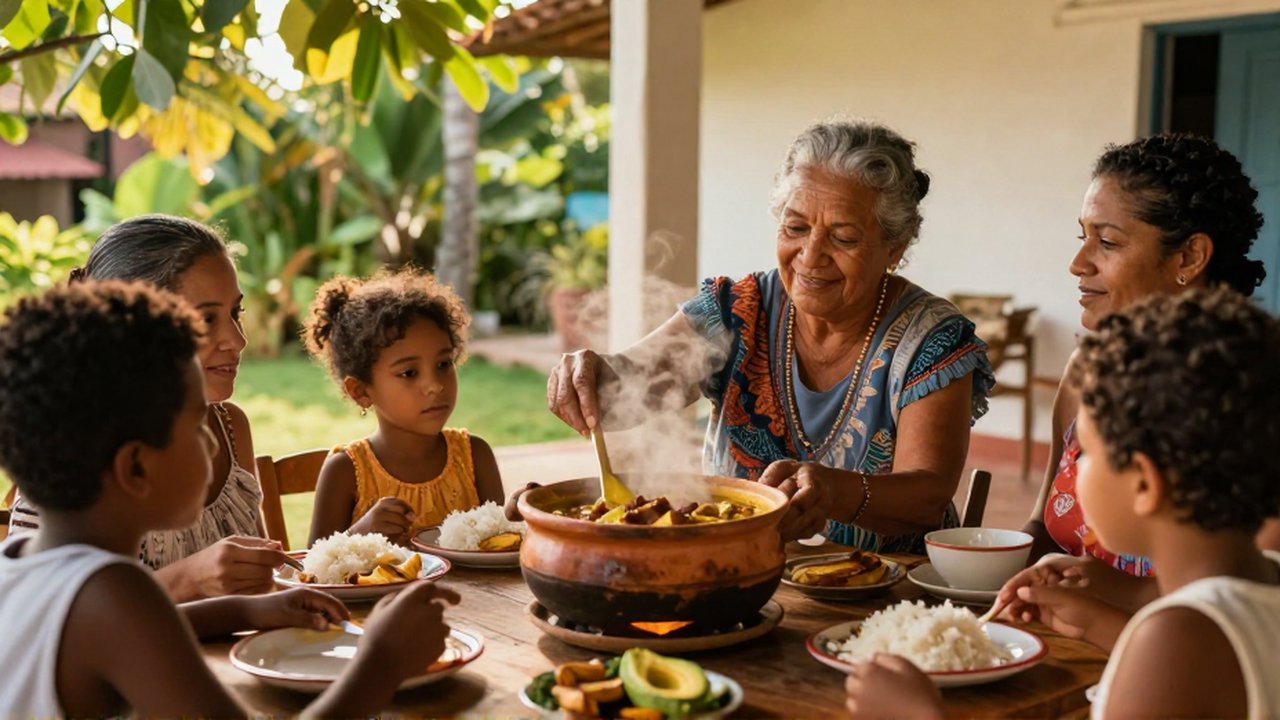
In Dominican culture, the preparation of sancocho is often a collective effort. It is not uncommon for a large pot to be started early in the morning, with different family members assigned to peel the vegetables, clean the meats, or prepare the seasonings. This ritualistic aspect of cooking turns a meal into a social event, strengthening family bonds and community ties.
Furthermore, sancocho is the ultimate symbol of hospitality. To offer a guest a bowl of sancocho is to offer them the very best of the home. It is traditionally served during significant life events, such as weddings, patron saint festivals, and large family reunions. Because it is a dish that requires a significant amount of ingredients, serving it is often viewed as a gesture of generosity and plenty, reinforcing the idea that there is always enough to share.
Common variations and regional nuances
While the concept of sancocho remains steady, it is not a monolith. Variations exist based on what is available in specific regions or what a particular family prefers.
- Sancocho de siete carnes: A prestigious version that utilizes seven different types of meat, often reserved for the most important celebrations.
- Vegetarian adaptations: Though less traditional, modern versions may focus on a wider array of tropical vegetables and legumes to achieve the same richness.
- Regional specialties: Some areas might lean more heavily on certain tubers like yuca, while others might emphasize the use of specific local herbs.
These variations do not diminish the dish's status; rather, they demonstrate its versatility and its ability to reflect the local environment of different Dominican provinces.
Frequently asked questions
What makes sancocho different from other stews? Sancocho is distinguished by its specific combination of tropical root vegetables (viandas) and its characteristic thickness, which is achieved through the slow breakdown of these starches during cooking.
When is sancocho typically eaten? While it can be eaten any time, it is most commonly served during special occasions, family gatherings, and as a substantial weekend meal.
Can sancocho be made with just one type of meat? Yes, while many traditional versions use multiple meats, a sancocho can be made with a single protein, such as chicken or beef, depending on availability and preference.
What is the importance of the "viandas" in the recipe? The viandas (tubers and starchy vegetables) are essential because they provide the unique texture and nutritional density that define a true sancocho.
Leave a Reply