
How to store coconut water to keep it fresh longer
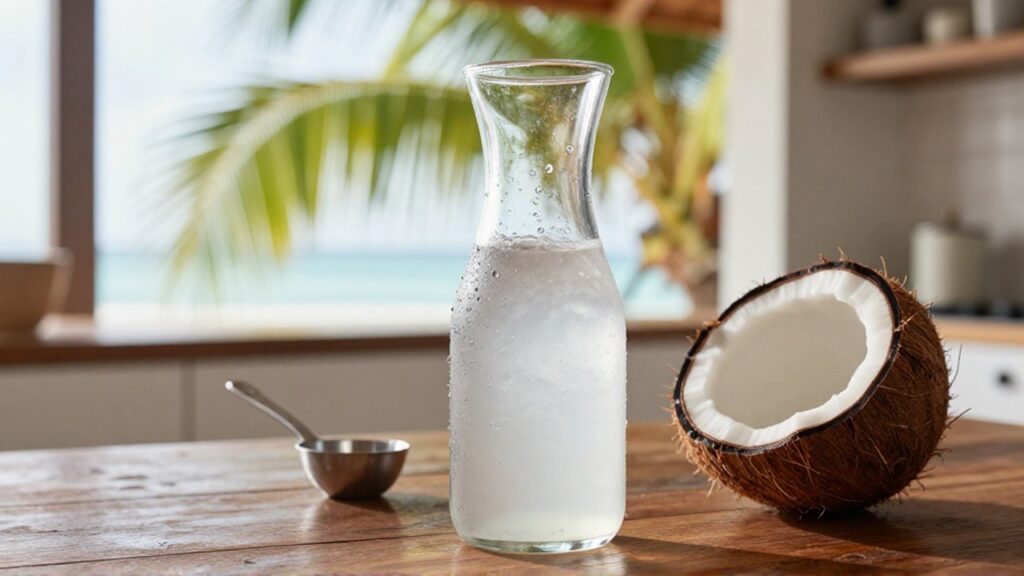
Introduction
Coconut water is one of the most refreshing and hydrating beverages found in tropical regions like the Dominican Republic. Rich in electrolytes and natural minerals, it serves as an excellent alternative to sugary sports drinks. However, because it is a natural, unprocessed liquid, it is highly perishable and can quickly ferment or develop an unpleasant taste if not handled correctly.
Learning how to store coconut water properly is essential for minimizing waste and ensuring you always have a nutritious drink available. Whether you are dealing with fresh coconuts harvested from a local tree or store-bought packaged versions, understanding temperature control and airtight sealing is the key to maintaining its delicate flavor profile and nutritional integrity.
Proper storage not only preserves the taste but also prevents the growth of bacteria. By following specific guidelines regarding refrigeration and freezing, you can extend the shelf life of this tropical treasure from a few hours to several days or even months.
Importance of temperature control
Temperature is the most critical factor when it comes to preserving the quality of coconut water. Once a coconut is opened, the liquid is exposed to oxygen and environmental microorganisms. If left at room temperature, the natural sugars in the water will begin to ferment, leading to a sour or fizzy taste that indicates spoilage.
To keep the liquid fresh, it must be kept consistently cold. Refrigeration slows down the metabolic processes of any bacteria present and prevents the enzymatic breakdown that changes the flavor. For fresh coconut water extracted directly from the fruit, immediate refrigeration is mandatory. Even for pasteurized versions found in stores, keeping them at a stable, low temperature in the refrigerator is the best way to ensure they remain palatable for as long as possible.
Best practices for storing fresh coconut water

If you are harvesting fresh coconuts, the moment you puncture the shell, the clock starts ticking. Fresh coconut water is highly unstable compared to processed versions. To maximize its lifespan, follow these steps:
- Use airtight containers: Transfer the liquid into a glass or high-quality BPA-free plastic container with a tight-sealing lid. This prevents the water from absorbing odors from other foods in the refrigerator.
- Minimize air exposure: When pouring the water into a container, try to fill it near the top to reduce the amount of oxygen trapped inside, which helps slow down oxidation.
- Keep it strictly refrigerated: Store the container in the main body of the refrigerator rather than the door, as the temperature in the door fluctuates frequently when opened.
Typically, freshly extracted coconut water will remain at its peak quality for about two to three days when stored under these conditions.
Freezing coconut water for long term use
For those who want to stock up on coconut water without the risk of spoilage, freezing is the most effective method. Freezing effectively stops the degradation process, allowing you to preserve the liquid for much longer periods.
To freeze coconut water effectively, use ice cube trays. Once the cubes are frozen, transfer them to a heavy-duty freezer bag. This method is particularly useful for several reasons:
- Portion control: You can pop out a few cubes to add to smoothies or water.
- Cooking and recipes: Frozen cubes can be used in tropical cocktails or as a base for dessert recipes.
- Space saving: Small bags of cubes take up less room than large bottles.
When stored in airtight freezer bags, coconut water can maintain its quality for several months. However, be aware that the texture and subtle flavor notes may change slightly upon thawing.
Common mistakes to avoid
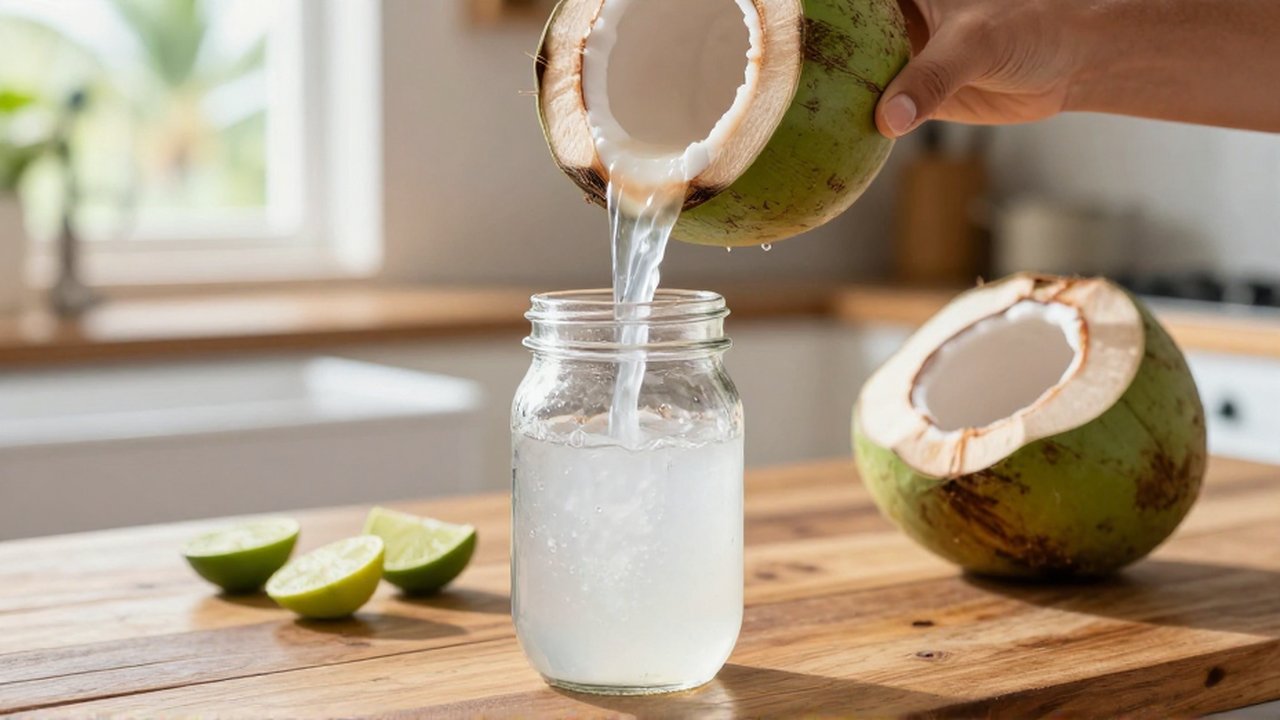
Avoiding certain habits can significantly extend the freshness of your beverage. One of the most frequent mistakes is consuming directly from the coconut or the main container. Saliva introduces enzymes and bacteria that accelerate spoilage. Always pour the desired amount into a separate glass.
Another error is leaving the container open in the fridge. Even if it is not "open," a lid that is not airtight allows the water to oxidize and absorb the smells of onions, garlic, or other strong-smelling foods. Lastly, do not attempt to store coconut water at room temperature for extended periods, even if it is a high-quality brand, as heat is the primary driver of fermentation.
Signs of spoiled coconut water
It is important to know when the coconut water is no longer safe to consume. Before drinking, perform a quick sensory check:
| Feature | Fresh Coconut Water | Spoiled Coconut Water |
|---|---|---|
| Smell | Mild, sweet, and nutty | Sour, fermented, or vinegary |
| Appearance | Clear or slightly translucent | Cloudy, thick, or bubbly |
| Taste | Clean and refreshing | Fizzy, salty, or bitter |
If you notice any bubbling (similar to carbonation) or a distinct sour odor, discard the liquid immediately. Consuming spoiled coconut water can lead to digestive discomfort.
Frequently asked questions
How long does bottled coconut water last in the fridge? Once a sealed bottle of store-bought coconut water is opened, it should generally be consumed within 3 to 5 days, provided it is kept refrigerated.
Can I freeze coconut water in its original carton? It is not recommended to freeze liquid in a carton that is filled to the top, as the liquid will expand when it freezes and may burst the packaging. It is better to transfer it to a freezer-safe container.
Does coconut water turn cloudy when it goes bad? Yes, cloudiness is often a sign that the liquid has begun to ferment or that microbial growth is occurring. While some natural variations exist, significant cloudiness is a warning sign.
Why does my coconut water taste sour? A sour taste is a primary indicator of fermentation. This happens when the natural sugars react with yeast or bacteria, usually due to improper storage or exposure to heat.
Leave a Reply