
Essential steps for ripening green plantains at home

Introduction
Ripening green plantains is a fundamental skill for anyone looking to master Dominican cuisine. Unlike sweet bananas, plantains are culinary staples that undergo a significant transformation in flavor and texture as they age. While green plantains are perfect for savory preparations like tostones, knowing how to accelerate the ripening process allows you to enjoy the sweeter, softer varieties used for dishes like maduros.
Understanding the science of ripening is essential for proper meal planning and reducing food waste. By managing temperature, ethylene gas, and humidity, you can control exactly when your plantains reach the desired stage of maturity. This guide provides practical, reliable methods to turn firm, starchy green fruit into golden, ripe delicacies right in your own kitchen.
Difference between green and ripe plantains

Before beginning the ripening process, it is important to recognize the different stages of a plantain's lifecycle. A green plantain is high in starch and low in sugar, making it firm and ideal for frying into crispy snacks. As the fruit ripens, its chemical composition changes: starches convert into sugars, the skin turns from green to yellow and eventually to black, and the flesh becomes softer and sweeter.
Deciding which stage you need depends entirely on the recipe you intend to cook. If you are making savory side dishes, you may only need a slightly softened plantain. However, for desserts or sweet fried plantains, you must wait until the skin shows significant dark spots or turns almost entirely black. This biological shift is irreversible, so timing your ripening process is key to successful cooking.
Use of the paper bag method
The most efficient and widely used technique for ripening plantains at home is the paper bag method. This process relies on a natural plant hormone called ethylene gas, which the fruit produces as it matures. By placing the plantains in an enclosed space, you trap this gas, which in turn signals the fruit to ripen faster.
To use this method effectively, follow these steps:
- Select a paper bag: Avoid plastic bags, as they trap moisture and can lead to mold or rot instead of ripening. A simple brown paper bag is ideal.
- Add an activator: To speed up the process, place an existing ripe fruit, such as an apple or a ripe banana, inside the bag with the green plantains. These fruits release high amounts of ethylene.
- Seal and monitor: Fold the top of the bag loosely. Check the plantains daily by gently squeezing them to test for softness.
Controlled temperature and sunlight exposure
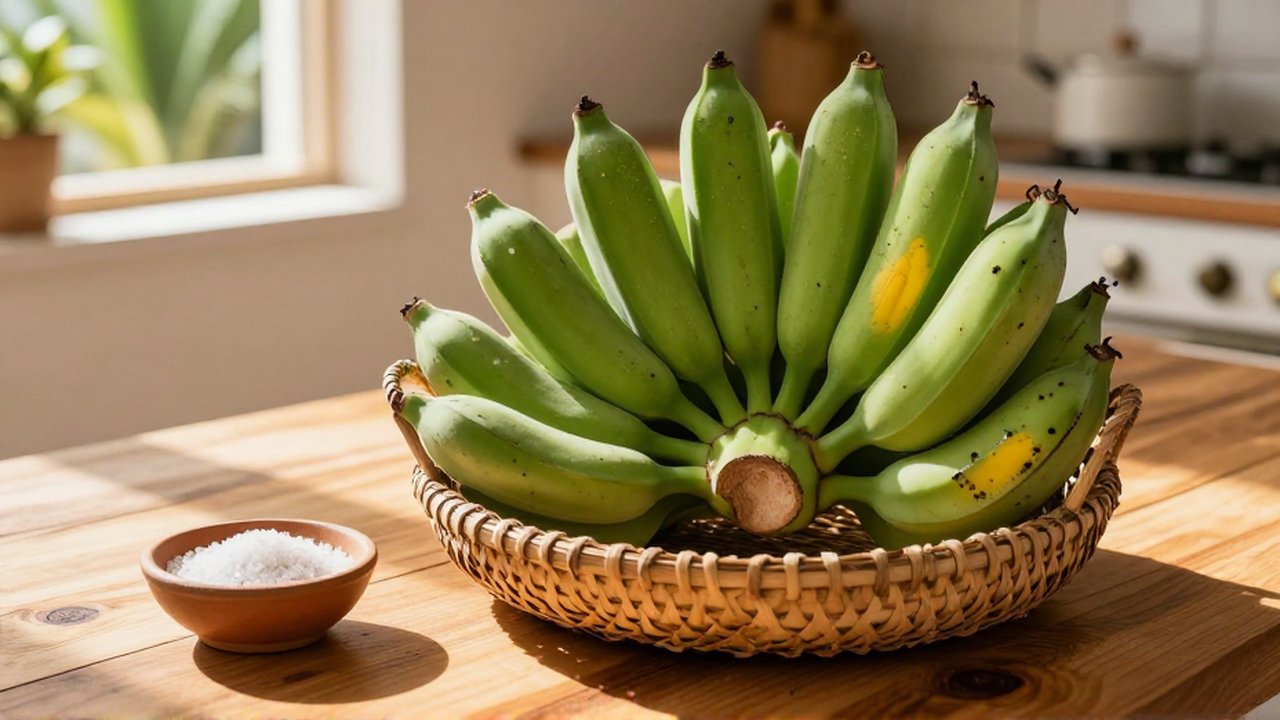
Temperature plays a vital role in the speed of the ripening process. Generally, warmer environments encourage metabolic activity in the fruit, leading to faster ripening. If your kitchen is cool, the plantains may take much longer to change color, and the texture might become uneven.
Placing the plantains in a warm, dry area of the kitchen can provide the necessary heat to jumpstart the process. Some people find success by placing the fruit near a sunny window; however, direct, intense sunlight should be used with caution. Excessive heat can cause the skin to dry out or the fruit to ferment internally before it reaches the desired sweetness. A consistent, moderate warmth is always preferable to extreme heat.
Common mistakes to avoid during ripening
While ripening plantains is a simple process, certain errors can ruin the fruit before it becomes edible. One of the most frequent mistakes is using plastic containers or airtight plastic bags. While this might seem like a good way to trap gas, it also traps humidity. Excessive moisture creates a breeding ground for bacteria and fungus, which can cause the plantains to turn mushy and spoiled rather than sweet and ripe.
Another common error is over-handling the fruit. As plantains begin to ripen, their skin becomes more delicate. Bruising the fruit during the ripening stage can lead to dark, unappealing spots and an inconsistent texture. Finally, do not attempt to ripen plantains in the refrigerator. The cold temperatures of a fridge will halt the ripening process and can lead to "chilling injury," which affects the flavor and prevents the starch from converting to sugar properly.
Frequently asked questions
How long does it take to ripen a green plantain? The timeframe varies depending on the initial ripeness and the method used, but typically it takes anywhere from three to seven days when using the paper bag method with an apple.
Can I ripen plantains in the microwave? While microwaving can soften a plantain quickly, it is not a true ripening method. It heats the starch but does not allow the sugars to develop naturally, often resulting in a texture that is not ideal for traditional recipes.
How do I know when a plantain is perfectly ripe for maduros? For sweet fried plantains, the skin should be mostly yellow with many black spots, or even entirely black. The fruit should feel soft to a gentle squeeze.
Why did my plantains turn black but stay hard? This usually happens due to improper temperature or moisture levels. If the fruit is kept too cold or in an environment with too much humidity, the skin may discolor while the internal starch fails to convert.
Leave a Reply